
















Summary
- Understanding the Connection Between Mental Health and Workplace Safety
- Mental Health Challenges Affecting the Workforce
- Occupational Mental Health Programs in Different Sectors
- Creating Psychologically Safe Workplaces
- Integrating Mental Health into Occupational Safety Programs
- Comprehensive July Mental Health Programming
- QuickSeries Resources Supporting Workplace Mental Health
- Measuring Workplace Mental Health Impact
- Conclusion
July represents ideal timing for organizations to emphasize workplace mental health as critical component of occupational safety and health. The Occupational Safety and Health Administration recommends July focus on mental health, workload management, and open communication-recognizing that psychological safety directly impacts physical safety, and that supporting mental health represents essential occupational health function comparable to preventing physical injuries.
Understanding the Connection Between Mental Health and Workplace Safety
Mental health and physical safety are inextricably linked. Employees experiencing depression, anxiety, stress, substance abuse, or other mental health challenges have difficulty maintaining focus, making good decisions, and responding appropriately to safety hazards. Fatigue resulting from sleep disruption due to mental health conditions impairs cognition similarly to alcohol intoxication. Impulsivity, difficulty concentrating, poor judgment, and reduced risk-awareness associated with some mental health conditions directly increase accident and injury risk.
Research demonstrates that employees with untreated mental health conditions experience higher rates of workplace injuries, make more errors, and engage in riskier behaviors. Conversely, employees with good mental health and adequate support maintain better focus, make better decisions, and maintain awareness of safety hazards. Supporting mental health isn't separate from occupational safety—it's integral component of comprehensive safety program.
Beyond individual safety, organizational mental health impacts workplace climate and safety culture. Organizations with high psychological safety—where employees feel comfortable raising concerns, making mistakes without shame, and requesting help—maintain stronger safety practices and catch problems earlier before they escalate to serious incidents. Conversely, organizations where employees fear retaliation for reporting safety concerns or admitting mistakes have weaker safety reporting and near-miss identification.
Mental Health Challenges Affecting the Workforce
Multiple mental health conditions affect workplace capacity and safety:
Depression
Depression affects approximately 10% of adults, with higher rates in some populations and occupations. Depression produces fatigue, difficulty concentrating, reduced motivation, and hopelessness affecting work performance and safety. Employees with depression may have difficulty completing complex tasks, maintaining attention on safety procedures, or engaging in injury-prevention behaviors.
Anxiety Disorders
Anxiety affects approximately 20% of adults and often co-occurs with depression. Anxiety produces racing thoughts, difficulty concentrating, physical symptoms including tremors or rapid heartbeat, and avoidance behaviors. In safety-sensitive work, anxiety affects ability to maintain calm during emergencies or respond appropriately to sudden safety threats.
Substance Use Disorders
Substance abuse significantly impacts safety through direct effects including intoxication affecting judgment and coordination, and indirect effects including sleep disruption, depression, and motivational problems. Employees with substance use disorders experience higher injury rates and accident involvement.
Post-Traumatic Stress Disorder
PTSD affects many military personnel, first responders, and others with trauma exposure. PTSD produces hypervigilance, sleep disruption, emotional dysregulation, and avoidance affecting occupational performance and safety.
Sleep Disorders
Sleep disturbance from any cause-mental health conditions, medical conditions, or poor sleep habits—significantly impairs cognition and safety. Fatigued workers have reaction times comparable to intoxicated individuals and make poor safety decisions.
Work-Related Stress and Burnout
Excessive workplace stress and burnout produce fatigue, cynicism, reduced effectiveness, and potential progression to depression or anxiety. Burned-out employees may have difficulty maintaining vigilance for safety hazards or motivation to follow safety procedures.
Occupational Mental Health Programs in Different Sectors
Different work environments require tailored mental health approaches:
Federal Agencies and Government Organizations
Federal employees face specific mental health stressors including mission criticality, budget uncertainty, and political pressures. Federal occupational health programs should provide comprehensive mental health services: employee assistance programs offering counseling, mental health screenings and early intervention, stress management training and resources, peer support networks, accommodations for employees with mental health conditions, and anti-stigma training reducing barriers to help-seeking.
Federal agencies must also address systemic workplace factors affecting mental health: workload assessment ensuring realistic assignments, clear expectations and feedback, fair treatment and recognition, opportunities for professional development, and leadership accountability for creating psychologically safe environments.
Military Organizations
Military mental health presents unique challenges and opportunities. Military service involves stress, trauma exposure, and mental health conditions at elevated rates compared to civilian populations. Military occupational health programs should provide comprehensive mental health services including military-specific counseling addressing deployment stress and combat trauma, peer support networks leveraging unit cohesion, integration of mental health into overall readiness training, family support services addressing family impact of military service, and post-deployment reintegration support.
Military leadership plays crucial role in normalizing mental health support and creating cultures where help-seeking is expected and supported. When leaders openly discuss mental health, emphasize psychological readiness alongside physical readiness, and demonstrate their own help-seeking, it signals organizational acceptance.
Healthcare Organizations
Healthcare workers experience high stress and trauma exposure producing elevated mental health condition rates. Healthcare occupational health programs should provide mental health resources including critical incident stress debriefing following traumatic cases, peer support programs allowing healthcare workers to process difficult experiences, counseling services addressing burnout and compassion fatigue, and leadership support creating psychologically safe environments.
Healthcare organizations should recognize that healthcare workers sometimes avoid seeking help due to concerns about professional standing or license impact. Creating pathways to confidential mental health support and educating healthcare workers about their rights to accommodation and treatment can improve access.
Corporate and Enterprise Organizations
Corporate occupational health programs should provide employee assistance programs with counseling and coaching services, stress management training and resources, accommodations for employees with mental health conditions under ADA, supervisor training on recognizing mental health challenges and responding supportively, anti-stigma training reducing mental health stigma, and mental health benefits ensuring accessible treatment.
Creating Psychologically Safe Workplaces
Psychological safety-the belief that one can take interpersonal risks in the workplace without negative consequences-strongly predicts both mental health and safety outcomes. Organizations should build psychological safety through:
Clear Communication and Transparency
Employees understanding what's expected, how they're doing, and what organizational changes are coming experience less anxiety and stress. Leaders should communicate clearly about decisions, provide regular feedback, and explain reasoning behind organizational actions.
Supportive Leadership
Supervisors and leaders should respond supportively when employees disclose mental health challenges or request accommodations. Leaders who are dismissive, punitive, or unsupportive discourage help-seeking and increase workplace stress.
Respectful and Inclusive Culture
Workplaces where employees are treated with respect regardless of background, identity, or perspective create inclusive environments supporting psychological safety. Bullying, harassment, or discrimination create hostile environments where employees fear engaging authentically.
Acknowledge and Manage Conflict Constructively
Unaddressed conflict escalates and creates stress for everyone. Organizations should provide conflict resolution resources and train leaders in constructive conflict management.
Accommodate Mental Health Needs
Employees with mental health conditions often need accommodations: flexible schedules accommodating therapy appointments, modified work assignments managing workload during mental health episodes, reduced hours while stabilizing condition, or environment modifications reducing stress triggers. Providing reasonable accommodations demonstrates support while enabling employees to maintain work engagement.
Anti-Stigma Efforts
Many individuals delay seeking mental health treatment due to stigma and shame. Organizations should conduct anti-stigma training helping employees understand mental health as health issue requiring treatment, reduce stereotypes about people with mental health conditions, and increase willingness to disclose and seek help.
Integrating Mental Health into Occupational Safety Programs
Organizations should integrate mental health into comprehensive occupational safety approaches:
Risk Assessment
Safety risk assessments should address mental health factors including stress levels, sleep quality, substance use, and mental health condition prevalence affecting workplace safety. Understanding mental health risk factors enables targeted interventions.
Safety Training
Safety training should include education about connections between mental health and safety, recognition of mental health impacts on safety-critical performance, and strategies for maintaining mental health in high-stress work. Training should normalize mental health discussion and help-seeking.
Incident Investigation
When workplace injuries or near-misses occur, investigations should explore whether mental health factors contributed. This isn't about blame but about identifying systemic factors-excessive stress, inadequate sleep, mental health conditions-requiring intervention to prevent future incidents.
Safety Culture
Safety culture should explicitly value mental health and psychological safety. Messages should communicate that mental health is important, help-seeking is expected and supported, and psychological safety contributes to physical safety.
Comprehensive July Mental Health Programming
Organizations should approach mental health focus throughout July with strategic programming:
Week 1: Education and Awareness
Begin with education helping employees understand mental health importance, common workplace mental health challenges, stigma reduction, and available resources. Distribute materials explaining:
How mental health affects workplace safety and performance Common mental health conditions and their workplace impacts Where to access help including employee assistance programs, counseling services, occupational health services Anti-stigma information reducing shame and misconceptions Supervisor guidance for supporting employees with mental health challenges
Week 2: Workload and Stress Management
Focus the second week on assessing and managing workplace workload and stress. Conduct workshops on:
Recognizing signs of excessive stress and overwhelm Workload assessment techniques helping identify unsustainable assignments Stress management and coping strategies Work-life balance and boundary-setting Communication strategies addressing workload concerns
Provide organizational assessment examining whether workload demands are reasonable. Identify departments or roles with excessive stress and implement modifications.
Week 3: Mental Health Support Services and Access
Dedicate the third week to ensuring employees know about and can access available mental health support. Provide clear information about:
Employee assistance programs with confidential counseling Occupational health services offering mental health screening and support Mental health benefits in health insurance Community mental health resources Crisis support hotlines Accommodations available for employees with mental health conditions
Train supervisors on how to refer employees for support, recognizing that supportive supervisor intervention often facilitates help-seeking.
Week 4: Sustaining Commitment and Open Communication
Use the final week emphasizing sustained mental health focus and open communication. Establish ongoing initiatives:
Regular mental health screening through occupational health services Peer support programs providing mutual support and connection Leadership accessibility and openness to mental health discussions Continued anti-stigma efforts and education Ongoing accommodation of mental health needs Regular assessment of workplace stress levels and appropriateness of workload demands
QuickSeries Resources Supporting Workplace Mental Health
QuickSeries offers comprehensive resources supporting workplace mental health and occupational safety integration:
Occupational Mental Health Guides
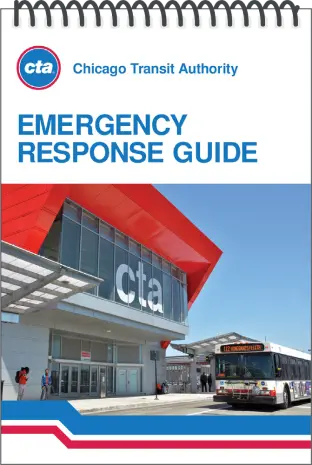
Pocket guides addressing workplace mental health, stress management, help-seeking, and available resources provide accessible references supporting employee engagement with mental health.
Supervisor and Leadership Training Materials
Materials helping supervisors recognize mental health challenges, respond supportively, and facilitate access to help support leadership capacity to create psychologically safe environments.
Occupational Health and Safety Integration Resources
Materials addressing connections between mental health and physical safety, integration of mental health into safety programs, and comprehensive occupational health approaches support holistic safety practice.
Anti-Stigma Training Materials
Resources addressing mental health stigma, misconceptions about mental health conditions, and strategies for reducing stigma support cultural shift toward mental health acceptance.
Employee Mental Health Support Resources
Materials addressing stress management, help-seeking, available resources, accommodations, and rights support employee engagement with mental health support.
QuickConnect App for Mental Health Content
The QuickConnect platform enables organizations to distribute mental health content, provide access to occupational health services and employee assistance program information, share resources and support options, and facilitate conversation about mental health.
Customized Occupational Health Materials
QuickSeries custom solutions incorporate organization-specific mental health services, occupational health resources, employee assistance programs, and support options ensuring materials feel immediately relevant.
Measuring Workplace Mental Health Impact
Organizations should assess mental health programming through:
Mental health screening results tracking prevalence of mental health conditions and treatment engagement
Employee satisfaction and engagement measuring psychological safety and overall satisfaction
Occupational health service utilization tracking whether employees access available mental health support
Safety metrics tracking whether improvements occur in safety culture, near-miss reporting, and incident rates
Absenteeism and presenteeism monitoring sick time usage and productivity
Turnover and retention tracking whether mental health programming improves retention
Leadership capability assessments measuring supervisor competence in supporting mental health
Conclusion
Workplace mental health represents critical component of occupational safety and health comparable to physical hazard control. Organizations genuinely committed to comprehensive occupational safety must integrate mental health into their overall safety and wellness approach, provide accessible mental health support, create psychologically safe work environments, and address workplace factors affecting mental health.
The resources you provide during July and throughout the year-education reducing stigma, supervisor training improving mental health support, employee access to mental health services, and organizational changes creating psychologically safe environments-contribute directly to improved employee wellbeing, reduced workplace injuries and errors, and stronger safety culture.
Begin implementing your comprehensive workplace mental health programming now, assessing current mental health needs, identifying gaps in support services, and establishing resources and practices supporting employee mental health. Visit QuickSeries.com to explore workplace mental health resources including occupational health guides, supervisor training materials, anti-stigma programs, employee support resources, and digital distribution solutions. Contact our team to discuss custom solutions addressing your organization's specific mental health and occupational safety needs, or request samples evaluating materials before implementing your workplace mental health program. Together, we can create organizations where mental health is prioritized, psychological safety is the norm, and all employees have access to support maintaining their wellbeing while contributing safely and effectively to organizational missions.