













Summary
- Understanding Fire Risk in Workplace Settings
- Components of Comprehensive Fire Safety Programs
- Fire Prevention Week Programming
- Fire Evacuation Procedures
- Fire Extinguisher Training and Use
- Special Considerations for Different Building Types
- QuickSeries Resources Supporting Fire Safety
- Measuring Fire Safety Program Effectiveness
- Conclusion
October 4-10 marks Fire Prevention Week, an annual observance emphasizing the importance of fire prevention and educating the public about fire safety. Established to commemorate the Great Chicago Fire of 1871, Fire Prevention Week provides opportunity for organizations to assess fire safety measures, train personnel on fire response procedures, and ensure buildings are prepared to protect occupants during fire emergencies.
Understanding Fire Risk in Workplace Settings
Fire represents significant workplace hazard affecting occupants of all building types: offices, manufacturing facilities, healthcare organizations, schools, residential buildings, and warehouses. Fires can start from electrical hazards, smoking, cooking equipment, heating systems, or intentional acts. Regardless of cause, rapid response and evacuation save lives.
Building fires develop in predictable patterns: initial ignition phase where fire is contained to point of origin, free-burning phase where fire spreads rapidly, and declining phase as oxygen becomes depleted. Understanding fire development stages helps explain why rapid evacuation and fire suppression are critical—the earlier fire is addressed, the better outcomes.
The Occupational Safety and Health Administration (OSHA) addresses fire safety through building codes, emergency action plans, fire extinguisher training, and fire safety procedures. Organizations must comply with OSHA fire safety standards to protect occupants.
Components of Comprehensive Fire Safety Programs
Effective workplace fire safety includes multiple components working together:
Fire Prevention Measures
Preventing fires is more effective than responding to them. Fire prevention includes maintaining electrical systems in safe condition, prohibiting smoking in hazardous areas, properly maintaining heating systems, storing flammable materials safely, and keeping work areas free of combustible materials. Regular facility inspections identify and address fire hazards.
Emergency Action Plans
Organizations must develop written emergency action plans addressing potential emergencies including fire. Plans must identify evacuation routes, assembly areas, procedures for accounting for personnel, and responsibilities of different personnel during emergencies. Plans should be tested regularly through drills.
Evacuation Routes and Exits
Buildings must maintain adequate exits, evacuation routes, and emergency lighting enabling safe evacuation. Exit routes must be clearly marked, unobstructed, and maintained in functional condition. Employees must understand evacuation routes appropriate for different locations within the building.
Fire Detection and Suppression Systems
Smoke detectors, fire alarms, and sprinkler systems provide early warning and initial fire suppression. Maintenance ensures systems function properly. Testing and inspection verify system readiness.
Fire Extinguisher Availability and Training
Fire extinguishers in appropriate locations enable response to small fires before they develop. Personnel must be trained on fire extinguisher types, appropriate use, and when to evacuate rather than attempt extinguisher use.
Emergency Communication Systems
Clear communication during fire emergencies is essential. Public address systems, text alerts, or other communication methods enable rapid notification of personnel and direction for appropriate response.
Personnel Training
All occupants must receive fire safety training including evacuation procedures, assembly area location, fire extinguisher use, and understanding of fire alarm signals. Training should be provided to all new personnel and reviewed annually.
Fire Prevention Week Programming
Organizations should approach October 4-10 with strategic fire safety focus:
Week 1: Facility Assessment and Hazard Identification
Begin the week with comprehensive fire safety assessment: inspect electrical systems, heating systems, and flammable material storage; verify exit routes are clear and emergency lighting functions; test fire alarms and sprinkler systems; review emergency action plans; identify hazards requiring correction.
Week 2: Training and Drills
Conduct fire safety training for all personnel covering evacuation procedures, assembly areas, fire extinguisher use, and response procedures. Conduct fire evacuation drills allowing personnel to practice procedures. Document training and drill participation.
Week 3: Equipment Inspection and Maintenance
Inspect and maintain fire safety equipment: fire extinguishers, fire alarms, emergency lighting, sprinkler systems, and backup power systems. Schedule professional inspections and maintenance. Address any deficiencies identified.
Week 4: Communication and Preparedness Review
Communicate fire safety expectations and emergency procedures. Review emergency contact information. Ensure all personnel know evacuation routes and assembly areas. Discuss lessons from drills and any improvements needed.
Fire Evacuation Procedures
Effective evacuation procedures enable safe, orderly departure from buildings during fire emergencies:
Primary and Secondary Evacuation Routes
Personnel should be familiar with primary evacuation routes but understand secondary routes if primary routes are blocked by fire or smoke. Multiple routes ensure everyone can evacuate safely.
Assembly Areas
Designated assembly areas outside the building provide safe location for accounting for all personnel. Assembly area location must be distant from building to ensure safety from fire spread.
Accountability and Headcount
Designated personnel at assembly areas account for all occupants. If anyone is missing, information is communicated to emergency responders so search efforts focus appropriately.
Special Considerations
Procedures must address people with mobility limitations, hearing impairments, or other disabilities requiring assistance. Assign personnel to assist those needing help. Plan for evacuation of people with disabilities.
Command Structure
Designate incident commander and support personnel ensuring organized response and communication with emergency responders.
Fire Extinguisher Training and Use
Fire extinguishers enable response to small, contained fires before they develop:
Fire Extinguisher Types
Different fire classes (A, B, C, D, K) require different extinguishing agents. Personnel must understand appropriate extinguisher types for different fire classes and use them safely.
PASS Technique
Personnel trained in fire extinguisher use should understand PASS procedure: Pull pin, Aim at base of fire, Squeeze handle, Sweep side to side. Technique enables effective extinguisher use.
When to Use vs. Evacuate
Personnel must understand that extinguisher use is only appropriate for small, contained fires where personnel can safely escape if fire grows. If fire is spreading rapidly or personnel cannot breathe air, evacuation takes priority over extinguisher use.
Mandatory Training
OSHA requires that personnel designated to use fire extinguishers receive training and demonstrate competency. Training should be documented and refreshed periodically.
Special Considerations for Different Building Types
Different occupancies require tailored fire safety approaches:
Healthcare Organizations
Hospitals and care facilities require special fire safety considerations given patient populations. Evacuation of non-ambulatory patients requires planning and personnel assignment. Some patients may need medication or equipment during evacuation. Fire safety procedures must account for these needs.
Schools and Educational Institutions
Schools must prepare students and staff for fire evacuation. Regular drills starting early in academic year prepare students for procedures. Teachers must ensure all students evacuate and account for them at assembly areas.
Manufacturing and Industrial Facilities
Manufacturing facilities with hazardous materials or equipment require procedures addressing special hazards. Electrical systems, boilers, and production equipment may require shutdown procedures before evacuation.
Offices and Commercial Buildings
Offices must maintain clear exits, adequate lighting, and functional fire systems. Large buildings may require phased evacuation procedures and personnel assignment for coordinating evacuation.
QuickSeries Resources Supporting Fire Safety
QuickSeries offers resources supporting workplace fire safety and OSHA compliance:
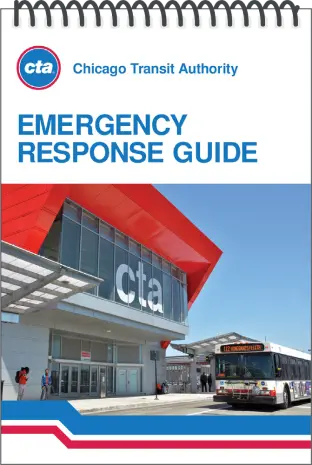
Portable guides addressing fire prevention, evacuation procedures, fire extinguisher use, and emergency response provide accessible references for all occupants.
Emergency Action Plan Templates
Customizable templates guide development of comprehensive emergency action plans meeting OSHA requirements.
Fire Safety Training Materials
Training resources on fire prevention, evacuation procedures, fire extinguisher use, and response procedures support employee training requirements.
Facility Assessment Checklists
Comprehensive checklists guide fire safety assessments identifying hazards and needed corrections.
QuickConnect App for Emergency Procedures
The QuickConnect platform enables distribution of emergency procedures, facility layouts, assembly area locations, and emergency contact information accessible to all personnel.
Customized Fire Safety Materials
Custom solutions incorporate facility-specific layouts, evacuation routes, assembly areas, and emergency contacts into professional materials.
Measuring Fire Safety Program Effectiveness
Organizations should assess programs through:
- Fire hazard assessments and correction completion
- Training completion and comprehension
- Fire evacuation drill effectiveness
- Fire safety equipment functionality and maintenance
- Employee knowledge of evacuation procedures
- Emergency response time in drills
Conclusion
Fire Prevention Week 2026 provides opportunity for organizations to prioritize fire safety, assess preparedness, and train personnel on appropriate response. Comprehensive fire safety programs protect lives and property while ensuring OSHA compliance.
The resources and programs you implement—fire hazard assessment, personnel training, equipment maintenance, evacuation procedures—contribute directly to protecting occupants and enabling safe response during fire emergencies.
Visit QuickSeries.com to explore our comprehensive fire safety resources including safety guides, training materials, emergency action plan templates, facility assessment tools, and digital distribution solutions. Contact our team to discuss customized solutions for your facility or organization, or request samples evaluating materials before implementation. Together, we can ensure fire safety preparedness protecting lives and property.