














Summary
- Understanding Suicide as a Preventable Crisis
- Warning Signs of Suicidal Thinking
- Supporting Someone with Suicidal Thoughts
- Mental Health Treatment and Recovery
- Protective Factors Reducing Suicide Risk
- Suicide Prevention Resources and Support
- Special Populations with Elevated Suicide Risk
- Suicide Prevention in Different Settings
- QuickSeries Resources Supporting Suicide Prevention
- Conclusion
September marks Suicide Prevention Awareness Month, with World Suicide Prevention Day observed on September 10. This critical awareness period focuses attention on suicide-a leading cause of death affecting individuals across all demographics. Through education, awareness, and resource connection, September provides opportunity to prevent tragedies and support those struggling with suicidal thoughts.
Understanding Suicide as a Preventable Crisis
Suicide represents complex outcome of multiple factors: mental health conditions including depression and anxiety, substance abuse, relationship losses, financial stress, chronic illness, and feelings of hopelessness. Understanding suicide as preventable crisis-rather than inevitable or glorified-is essential for effective prevention.
Research demonstrates that suicide is preventable. People experiencing suicidal thoughts are not inevitably destined to die by suicide. With appropriate support, treatment, and intervention, people can recover and live fulfilling lives. Crisis intervention, mental health treatment, and social support all reduce suicide risk.
Importantly, most people experiencing suicidal thoughts show warning signs- communications or behaviors suggesting distress and potential risk. Recognizing these signs and knowing how to respond enables intervention before tragedies occur.
Warning Signs of Suicidal Thinking
Recognizing warning signs enables intervention. Common signs include:
Communication Signs:
- Talking about suicide or death frequently
- Expressing hopelessness about future
- Saying goodbye or settling affairs
- Saying they're a burden to others
- Expressing feeling trapped or in unbearable pain
- Looking for ways to harm themselves
Behavioral Signs:
- Increased substance use
- Withdrawing from relationships and activities
- Giving away possessions
- Taking unnecessary risks
- Extreme mood swings
- Sleep pattern changes
- Acquiring means for suicide (medications, weapons)
Emotional/Mental Signs:
- Intense emotional pain
- Severe depression or anxiety
- Hopelessness or helplessness
- Shame or guilt
- Feeling like a burden
- Sense of being trapped
Recognizing these signs in loved ones, friends, colleagues, or oneself enables appropriate help-seeking.
Supporting Someone with Suicidal Thoughts
If someone discloses suicidal thoughts, appropriate response is critical:
Listen Without Judgment
Allow them to express feelings without minimizing or judging. Listening validates their pain even if you don't understand their perspective.
Express Care and Concern
Communicate that you care about them and their safety matters. Express that you're concerned and want to help them get support.
Encourage Professional Help
Encourage connection with mental health professionals: therapists, counselors, psychiatrists, or crisis services. Offer to help them access services if needed.
Stay Connected
Maintain contact and support throughout their recovery. Regular check-ins communicate that you care and are available.
Remove Access to Means
If possible, help secure access to potential means of suicide—medications, weapons, etc. Reducing access provides opportunity for crisis to pass.
Know Limits
Supporting someone with suicidal thoughts is important, but professional help is essential. You cannot be their only support. Encourage professional treatment.
Mental Health Treatment and Recovery
Effective treatments for suicidal ideation include:
Therapy
Mental health professionals provide evidence-based therapies including Cognitive Behavioral Therapy, Dialectical Behavior Therapy, and others helping address thoughts and develop coping strategies.
Medication
Medications can reduce depression, anxiety, and other symptoms contributing to suicidal ideation. Medication works best combined with therapy.
Crisis Intervention
Crisis services provide immediate support during acute suicidal crises through phone support, crisis hotlines, crisis centers, and emergency psychiatric services.
Hospitalization
When suicide risk is acute and imminent, psychiatric hospitalization provides intensive treatment and safety monitoring.
Support Groups
Peer support groups connect individuals with others with lived experience of suicidal thoughts, providing understanding and hope.
Protective Factors Reducing Suicide Risk
Certain factors reduce suicide risk:
- Strong relationships and social connection
- Mental health treatment and medication management
- Sense of purpose and meaning
- Religious or spiritual faith
- Problem-solving and coping skills
- Access to healthcare
- Employment and economic stability
- Hope for the future
Supporting these protective factors in individuals and communities reduces suicide risk.
Suicide Prevention Resources and Support
Essential resources for those struggling or concerned about others:
National Suicide Prevention Lifeline
988 (available 24/7 by phone or text) provides immediate crisis support from trained counselors. Service is free and confidential.
Crisis Text Line
Text HOME to 741741 for immediate crisis support via text message.
International Association for Suicide Prevention
www.iasp.info provides international resources and support.
Local Mental Health Services
Community mental health centers, therapists, psychiatrists, and psychiatric hospitals provide professional treatment.
Substance Abuse and Mental Health Services Administration (SAMHSA)
SAMHSA's National Helpline: 1-800-662-4357 (free, confidential, 24/7) for mental health and substance abuse support.
Special Populations with Elevated Suicide Risk
Certain groups face elevated suicide risk requiring targeted prevention:
Military and Veterans
Military personnel and veterans experience elevated suicide rates related to combat trauma, PTSD, and transition challenges. Veteran crisis line: 988 then press 1.
LGBTQ+ Youth
LGBTQ+ youth face elevated suicide risk related to discrimination, family rejection, and identity challenges. The Trevor Project provides crisis support: 1-866-488-7386.
Older Adults
Older adults, particularly older men, experience elevated suicide rates. Social isolation, health problems, and loss of purpose are risk factors.
Indigenous Peoples
American Indian and Alaska Native communities experience disproportionately high suicide rates. Prevention requires culturally appropriate interventions and community-led solutions.
People with Chronic Illness
Those with chronic pain, terminal illness, or serious mental health conditions face elevated suicide risk.
Suicide Prevention in Different Settings
Prevention requires multi-level efforts:
Individual Level
Mental health treatment, coping skills development, and social connection reduce individual suicide risk.
Family Level
Family awareness of warning signs, open communication about mental health, and family support enable intervention and recovery.
Community Level
Community programs, peer support groups, school-based prevention education, and public awareness reduce community suicide rates.
Societal Level
Policy changes addressing access to healthcare, substance abuse treatment, economic stability, and reducing stigma all contribute to suicide prevention.
QuickSeries Resources Supporting Suicide Prevention
QuickSeries offers resources supporting suicide prevention:
Crisis Intervention and Prevention Guides
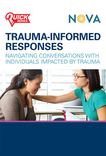
Pocket guides addressing warning signs, intervention strategies, and resource connections provide accessible references for anyone concerned about suicide risk.
Mental Health and Recovery Materials
Materials addressing depression, anxiety, trauma recovery, and mental wellness support recovery from mental health crises.
Training Materials
Mental Health First Aid training and similar resources teach skills for supporting someone experiencing mental health crisis.
Community and Support Resources
Materials connecting individuals with crisis hotlines, therapy services, support groups, and recovery resources.
QuickConnect App for Crisis Resources
The QuickConnect platform enables distribution of crisis resources, hotline information, self-assessment tools, and support resources accessible when needed.
Conclusion
Suicide Prevention Awareness Month 2026 provides opportunity to increase awareness about suicide prevention, reduce stigma, and ensure individuals struggling with suicidal thoughts know help is available. Recovery is possible, and with appropriate support and treatment, people can overcome suicidal crises and rebuild lives.
If you or someone you know is struggling with suicidal thoughts, please reach out for help. The National Suicide Prevention Lifeline (988), Crisis Text Line (text HOME to 741741), or local emergency services are immediately available. Help exists, and recovery is possible.
Visit QuickSeries.com to explore our comprehensive suicide prevention and mental health resources including crisis intervention guides, prevention training materials, support resource guides, and digital distribution solutions. Contact our team to discuss custom solutions for your organization or community, or request samples evaluating materials. Together, we can save lives and support recovery for those struggling with suicidal thoughts.