












Summary
- Understanding Occupational Bloodborne Pathogen Risk
- OSHA Bloodborne Pathogen Standard
- Occupational Exposure Risk Assessment
- Engineering Controls and Sharps Safety
- Post-Exposure Prophylaxis (PEP) and Medical Management
- Creating Effective Bloodborne Pathogen Safety Programs
- Special Considerations for Different Settings
- QuickSeries Resources Supporting Bloodborne Pathogen Safety
- Measuring Program Effectiveness
- Conclusion
October marks AIDS/HIV Awareness Month, providing opportunity to address occupational health and safety concerns for healthcare workers, first responders, and others who may encounter bloodborne pathogen exposure during their work. Bloodborne pathogen exposure represents significant occupational hazard affecting healthcare providers, emergency responders, law enforcement, and other workers whose duties involve potential contact with blood or other potentially infectious materials (OPIM).
Understanding Occupational Bloodborne Pathogen Risk
Bloodborne pathogens-including human immunodeficiency virus (HIV), hepatitis B virus (HBV), and hepatitis C virus (HCV)-are transmitted through exposure to infected blood or other body fluids. Occupational exposure occurs primarily through percutaneous injuries (needlestick and sharps injuries) or exposure of mucous membranes or non-intact skin to infected blood or OPIM.
The Occupational Safety and Health Administration (OSHA) estimates that healthcare workers face occupational risk of HIV exposure, with approximately 5,000 percutaneous injuries occurring annually in U.S. hospitals alone. While modern post-exposure prophylaxis (PEP) has dramatically improved outcomes following occupational exposure, prevention through proper safety procedures remains the primary protection strategy.
Importantly, occupational transmission of HIV is rare when appropriate precautions are followed. Standard precautions and exposure control measures effectively prevent occupational bloodborne pathogen transmission. However, this requires consistent implementation across all healthcare settings and occupational contexts.
OSHA Bloodborne Pathogen Standard
OSHA's Bloodborne Pathogen Standard (29 CFR 1910.1030) requires employers with employees exposed to blood or OPIM to implement comprehensive exposure control programs. The standard establishes minimum requirements for occupational health protection:
Exposure Control Plan
Employers must develop written exposure control plans identifying job classifications with occupational exposure and describing methods to prevent or minimize exposure. Plans must be reviewed and updated regularly and made available to employees and OSHA.
Methods of Compliance
Universal precautions must be followed treating all blood and OPIM as potentially infectious. Engineering controls (sharps containers, needleless systems, sharps safety devices) must be used to eliminate or reduce exposure risk. Work practice controls establish safe procedures for handling contaminated materials. Personal protective equipment must be provided and used appropriately.
Needlestick and Sharps Injury Log
Employers must maintain logs of needlestick injuries and other sharps injuries documenting the incident and contributing factors. This data identifies opportunities for prevention improvements.
Training and Information
All employees with exposure risk must receive training on bloodborne pathogens, exposure routes, recognition of potential exposures, infection control procedures, and emergency response. Training must be documented.
Hepatitis B Vaccination
Employers must offer hepatitis B vaccination at no cost to employees with occupational exposure. Employees have the right to refuse vaccination but must sign a declination form.
Post-Exposure Evaluation and Follow-Up
Employers must establish procedures for post-exposure evaluation and follow-up when exposure incidents occur, including first aid, medical evaluation, baseline testing, follow-up testing, and counseling.
Occupational Exposure Risk Assessment
Different worker groups face different exposure risks based on job duties and work environment:
Healthcare Workers
Nurses, physicians, phlebotomists, laboratory technicians, and other healthcare workers have direct patient contact and exposure to blood and body fluids. Needlestick injuries represent primary exposure route for healthcare workers. Sharps safety devices, proper technique, and safe disposal procedures reduce risk.
Emergency Responders
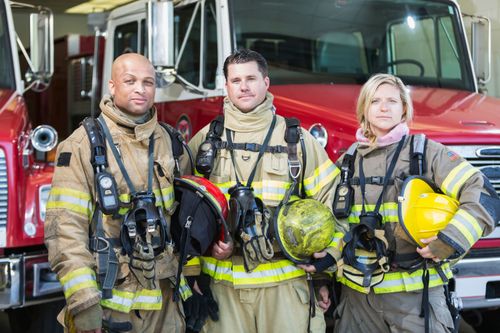
Paramedics, emergency medical technicians, and firefighters provide emergency care potentially involving exposure to blood. Scene safety assessment and use of universal precautions minimize exposure.
Law Enforcement
Police officers may encounter bloodborne pathogen exposure during arrest situations, handling evidence, or providing first aid. Training on bloodborne pathogen recognition and appropriate response is essential.
Laboratory and Pathology Personnel
Laboratory workers handling blood samples and tissue specimens face exposure through occupational duties. Laboratory safety procedures and equipment protect workers.
Custodial and Environmental Services
Housekeeping and maintenance staff may encounter bloodborne pathogen exposure during cleaning or maintenance of contaminated areas. Proper procedures and training protect these workers often overlooked in exposure prevention.
Engineering Controls and Sharps Safety
Engineering controls-modifications to equipment or work environment eliminating or reducing hazard exposure-represent primary protection strategy. Modern sharps safety devices have dramatically reduced needlestick injuries:
Needleless Systems
Needleless injection systems, connector devices, and other needle-free alternatives eliminate sharps injuries for certain procedures. Implementation of needleless systems across healthcare settings has substantially reduced occupational exposure incidents.
Safety-Engineered Devices
Sharps with safety features (retractable needles, shielded needles, safety-engineered syringes) reduce injury risk through automatic or manual safety mechanisms. OSHA requires use of safety-engineered devices when available.
Sharps Containers
Puncture-resistant sharps containers positioned conveniently near point of use enable safe disposal of used sharps. Proper container design and placement are essential components of sharps safety.
Work Surface Protection
Impermeable barriers, absorbent pads, and proper cleaning procedures minimize environmental contamination enabling safe cleanup of spills and contaminated surfaces.
Post-Exposure Prophylaxis (PEP) and Medical Management
Despite prevention efforts, occupational exposures sometimes occur. Post-exposure prophylaxis-antiretroviral medication taken after potential HIV exposure-significantly reduces transmission risk when started promptly:
Post-Exposure Prophylaxis for HIV
HIV post-exposure prophylaxis, when started within 72 hours of exposure (ideally within 2 hours), reduces transmission risk by approximately 81%. Treatment typically involves 28 days of antiretroviral medication with side effects manageable with supportive care.
Hepatitis B Management
For hepatitis B exposure, post-exposure prophylaxis with hepatitis B immune globulin (HBIG) and hepatitis B vaccine booster or series provides protection depending on vaccination status.
Hepatitis C Monitoring
Hepatitis C post-exposure prophylaxis is not available, but baseline and follow-up testing enable early detection and treatment if transmission occurs.
Baseline and Follow-Up Testing
Post-exposure evaluation includes baseline testing (immediate) and follow-up testing at 6 weeks, 3 months, and 6 months to document seroconversion if it occurs. Counseling support helps affected workers manage emotional impact.
Creating Effective Bloodborne Pathogen Safety Programs
Comprehensive programs protecting workers include:
Assessment and Planning
Identify all job classifications with occupational exposure. Assess existing hazards and controls. Develop exposure control plans addressing identified risks.
Engineering Control Implementation
Install and maintain appropriate engineering controls: needleless systems, safety-engineered sharps devices, sharps containers, and appropriate PPE. Regularly assess whether new safety technologies should be adopted.
Training and Education
Provide initial and annual training on bloodborne pathogens, exposure routes, infection control procedures, proper use of safety equipment, and emergency response. Document all training.
Personal Protective Equipment
Ensure appropriate PPE is available and accessible: gloves, eye protection, masks, gowns as needed for anticipated exposures. Ensure proper use through training and supervision.
Incident Response Procedures
Establish clear procedures for immediate response to exposure incidents: first aid, reporting, medical evaluation, and follow-up. Ensure all workers know procedures and can access immediate evaluation if needed.
Occupational Health Services
Partner with occupational health providers offering baseline testing, vaccination, post-exposure evaluation, and follow-up care. Establish relationships with healthcare providers able to provide urgent post-exposure prophylaxis if needed.
Special Considerations for Different Settings
Hospitals and Acute Care
Hospital employees with exposure risk need comprehensive programs including occupational health services, safety equipment, sharps injury prevention, and protocols for exposure response. Hospital safety committees should regularly review needlestick incidents identifying prevention opportunities.
Ambulatory Care and Clinics
Outpatient settings often have smaller occupational health resources but equal exposure risk. Comprehensive programs and partnerships with community occupational health services ensure appropriate protections.
Emergency Response
Paramedics, EMTs, and emergency department personnel need training on bloodborne pathogens, appropriate response to exposure, and connection to post-exposure evaluation services.
First Responders and Law Enforcement
Law enforcement and firefighters need training on bloodborne pathogen recognition, appropriate response to exposure, and access to occupational health services.
QuickSeries Resources Supporting Bloodborne Pathogen Safety
QuickSeries offers resources supporting occupational bloodborne pathogen safety and OSHA compliance:
Bloodborne Pathogen Safety Pocket Guides
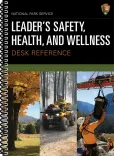
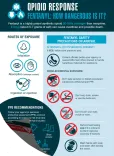
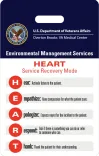
Portable guides addressing bloodborne pathogens, exposure routes, infection control procedures, sharps safety, PPE use, and post-exposure response provide accessible references for healthcare workers and emergency responders.
OSHA Compliance and Training Materials
Comprehensive training materials on bloodborne pathogen standard requirements, exposure control plan development, infection control procedures, and regulatory compliance support employer compliance.
Occupational Health Resources
Materials addressing occupational health programs, exposure risk assessment, incident documentation, and post-exposure procedures support development of effective occupational health programs.
Healthcare Worker Safety Materials
Specialized resources for different healthcare worker populations address occupational exposure prevention specific to different job duties and environments.
Emergency Response Guides
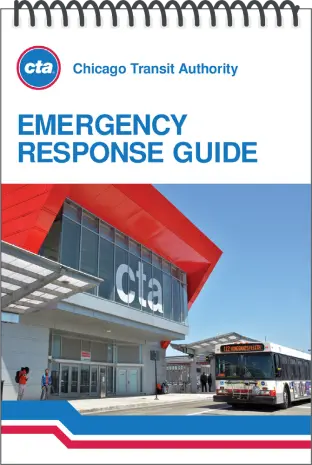
Materials for emergency responders addressing bloodborne pathogen recognition, appropriate response to exposure, and connection to occupational health services support first responder safety.
QuickConnect App for Safety Protocols
The QuickConnect platform enables distribution of bloodborne pathogen safety procedures, training materials, post-exposure response procedures, and occupational health resource information accessible to all personnel.
Measuring Program Effectiveness
Organizations should assess bloodborne pathogen safety programs through:
- Needlestick and sharps injury rates (goal: zero preventable incidents)
- Engineering control implementation and maintenance
- Training completion and competency
- Exposure incident response times and appropriateness
- Employee knowledge of exposure control procedures
- Vaccination rates and post-exposure follow-up completion
Conclusion
Occupational bloodborne pathogen safety represents critical component of occupational health protection for healthcare workers, emergency responders, and others with occupational exposure risk. Comprehensive programs addressing engineering controls, work practices, training, and medical support effectively prevent occupational transmission while ensuring appropriate response if exposures occur.
AIDS/HIV Awareness Month provides opportunity to address occupational bloodborne pathogen safety and recognize importance of occupational health protection for at-risk workers. Modern prevention strategies and post-exposure prophylaxis have made occupational transmission rare when proper precautions are followed.
The resources and programs you implement—safety equipment, employee training, occupational health services, exposure control procedures—contribute directly to protecting workers and preventing occupational bloodborne pathogen transmission.
Visit QuickSeries.com to explore our comprehensive occupational bloodborne pathogen safety resources including safety guides, training materials, OSHA compliance resources, occupational health materials, and digital distribution solutions. Contact our team to discuss customized solutions for your healthcare facility, emergency response organization, or workplace, or request samples evaluating materials before implementation. Together, we can protect workers from occupational bloodborne pathogen exposure.