




















September brings opportunities for renewed health focus as summer ends and routines stabilize. For individuals managing diabetes or working to prevent development of Type 2 diabetes, September provides ideal timing for assessing current management strategies, implementing improvements, and accessing comprehensive support resources. With over 37 million Americans living with diabetes and approximately 96 million with prediabetes, diabetes management and prevention represent critical health priorities affecting millions of individuals and families.
Understanding Diabetes and Its Impact
Diabetes affects how the body manages blood glucose (blood sugar). Type 1 diabetes, an autoimmune condition, occurs when the pancreas cannot produce sufficient insulin. Type 2 diabetes, the most common form affecting approximately 90% of people with diabetes, occurs when the body becomes resistant to insulin or the pancreas gradually produces less insulin. Prediabetes represents elevated blood sugar levels that haven't yet reached diabetes levels but indicate increased diabetes risk.
Untreated diabetes produces serious complications affecting multiple body systems: cardiovascular disease, kidney damage requiring dialysis, vision loss from diabetic retinopathy, nerve damage from neuropathy, and lower limb amputation. However, with appropriate management through medication, nutrition, exercise, and stress management, these complications are largely preventable.
The economic burden of diabetes is substantial. Healthcare costs for diabetes management exceed $300 billion annually in the United States. Beyond direct healthcare costs, diabetes produces lost productivity, disability, and reduced quality of life affecting individuals and families.
Importantly, Type 2 diabetes is largely preventable, and prediabetes can often be reversed through lifestyle modifications. This reality offers hope and opportunity for individuals at risk to prevent disease development through evidence-based prevention strategies.
Type 1 Diabetes Management
Type 1 diabetes requires insulin administration and careful blood glucose monitoring. Management involves:
Insulin Therapy
Insulin must be administered daily through injections or insulin pumps. Multiple insulin types work differently, and appropriate regimen depends on individual circumstances. Insulin dosing requires careful calculation based on carbohydrate intake and blood glucose levels.
Blood Glucose Monitoring
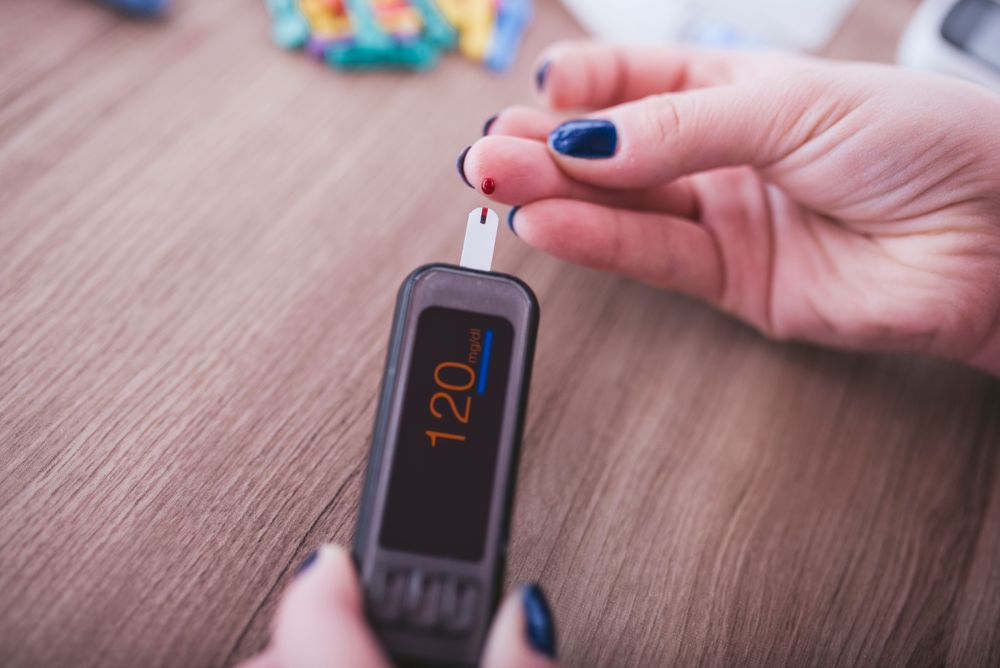
Frequent blood glucose monitoring through fingerstick testing or continuous glucose monitors enables awareness of glucose levels and appropriate treatment adjustments. Target glucose ranges vary individually.
Carbohydrate Counting
Understanding carbohydrate content of foods enables appropriate insulin dosing. Education on carbohydrate counting supports meal planning and glucose management.
Physical Activity and Nutrition
Regular physical activity improves insulin sensitivity and overall health. Balanced nutrition supporting stable blood glucose prevents dangerous glucose fluctuations.
Stress Management and Sleep
Stress and poor sleep worsen blood glucose control. Stress management and sleep prioritization support overall health.
Regular Healthcare
Regular monitoring with endocrinologists or diabetes educators ensures appropriate treatment adjustments and complication screening.
Type 2 Diabetes Prevention and Management
Type 2 diabetes often can be prevented or delayed through lifestyle modifications. The Diabetes Prevention Program demonstrated that 58% of people with prediabetes prevented or delayed diabetes onset through lifestyle changes.
Weight Management
Even modest weight loss—5-10% of body weight—significantly improves insulin sensitivity and diabetes risk. Sustainable weight loss through healthy eating and physical activity proves most effective.
Physical Activity
Regular physical activity, both aerobic and strength training, improves insulin sensitivity and metabolic health. Guidelines recommend 150 minutes of moderate-intensity activity weekly.
Nutrition
A balanced diet emphasizing vegetables, whole grains, lean proteins, and healthy fats supports stable blood glucose and healthy weight. Limiting refined carbohydrates, added sugars, and processed foods prevents blood glucose spikes.
Stress Management
Chronic stress elevates blood glucose through cortisol effects. Stress reduction through meditation, exercise, social connection, or other methods supports better glucose control.
Sleep Quality
Adequate sleep improves insulin sensitivity. Poor sleep contributes to weight gain and metabolic dysfunction. Sleep prioritization supports diabetes prevention.
Regular Health Screening
For individuals at risk or with prediabetes, regular glucose screening identifies progression enabling timely intervention.
QuickSeries Revamped Diabetes Product Line
QuickSeries has developed comprehensive, updated diabetes resources addressing modern diabetes management and prevention needs:
Diabetes Management Pocket Guides
Our revamped guides provide clear, accessible information on diabetes types, insulin therapy, blood glucose monitoring, medication management, nutrition for diabetes, physical activity, and complication prevention. Pocket-sized format enables carrying resources for ready reference.
Type 1 Diabetes Care Resources
Specialized materials addressing insulin management, carbohydrate counting, insulin pump use, continuous glucose monitor technology, hypoglycemia recognition and treatment, and managing diabetes during travel support Type 1 management.
Type 2 Diabetes Prevention & Management
Evidence-based materials on diabetes prevention for prediabetes, Type 2 diabetes management, medication adherence, lifestyle modifications, and complication prevention provide comprehensive Type 2 support.
Nutrition and Meal Planning Guides
Our revamped nutrition materials provide practical meal planning guidance, carbohydrate information for common foods, healthy recipe ideas, restaurant navigation strategies, and shopping guidance supporting healthy eating for diabetes management.
Physical Activity and Exercise Resources
Materials addressing exercise benefits, safe physical activity for people with diabetes, specific exercise recommendations, and motivation strategies support active lifestyles.
Family and Caregiver Support Materials
Resources helping family members and caregivers understand diabetes and support loved ones enable family-centered management.
QuickConnect App for Diabetes Management
Our enhanced QuickConnect platform now includes diabetes-specific features: glucose tracking, medication reminders, meal planning tools, exercise logging, educational content delivery, and connection to healthcare provider resources-all accessible on smartphones and tablets for personalized diabetes management.
Glucose Monitoring Education
Materials explaining blood glucose monitoring techniques, continuous glucose monitor technology, understanding glucose patterns, and appropriate target ranges support effective monitoring.
Medication and Insulin Information
Comprehensive guides on diabetes medications and insulin types help individuals understand their treatments, appropriate administration, and potential side effects.
September as Diabetes Wellness Reset
September provides natural opportunity for diabetes wellness reset:
Assessment of Current Management
Evaluate how well current diabetes management is working. Are blood glucose levels in target ranges? Have complications developed? Is current nutrition supporting goals? Review these questions with healthcare providers.
Goal Setting
Establish specific, measurable diabetes management goals for fall and coming year. Goals might include improved glucose control, regular exercise initiation, nutrition improvements, or weight loss.
Resource and Support Access
Identify and connect with needed resources: updated diabetes management materials, nutrition counseling, diabetes education classes, support groups, or mental health support for diabetes-related stress.
Healthcare Team Communication
Schedule appointments with diabetes care providers, update them on current status, and discuss any concerns or needed adjustments to treatment.
Support Resources for Diabetes Management
Numerous resources support diabetes management:
Diabetes Education Programs
Certified diabetes educators and diabetes education programs provide specialized training on diabetes management. Group programs and individual counseling are available.
Support Groups
Peer support groups connect individuals with diabetes, providing encouragement and shared experience.
Online Resources
Reputable websites including American Diabetes Association, CDC Diabetes Prevention Program, and diabetes.org provide evidence-based information.
Mental Health Support
Diabetes-related stress and depression are common. Mental health professionals experienced in diabetes support help manage psychological aspects of diabetes.
Community Health Centers
Federally qualified health centers and community health organizations provide affordable diabetes care and education.
Conclusion
Diabetes management and prevention represent critical health priorities for millions of Americans. Whether preventing prediabetes development, managing Type 1 diabetes, or living with Type 2 diabetes, comprehensive resources, education, and support enable people to maintain health and prevent complications.
September's focus on renewed wellness practices provides ideal opportunity for diabetes management assessment and improvement. Our revamped QuickSeries diabetes product line offers comprehensive, practical resources supporting every aspect of diabetes prevention and management—from glucose monitoring to nutrition planning to emotional support.
Begin your diabetes wellness journey now. Whether preventing diabetes, newly diagnosed, or managing long-standing diabetes, appropriate resources and support enable successful management and healthy living.
Visit QuickSeries.com to explore our comprehensive, revamped diabetes management and prevention resources including management guides, nutrition materials, exercise resources, family support materials, QuickConnect app features, and more. Contact our team to discuss personalized diabetes resources for your needs, or request free samples of our updated diabetes product line. Together, we can support better diabetes outcomes and healthier lives.