














Summary
- Understanding Domestic Violence
- Why Survivors Stay: Barriers to Leaving
- Occupational Health and Workplace Impact of Domestic Violence
- Supporting Domestic Violence Survivors in the Workplace
- Resources for Abuse Survivors
- Recognizing Signs of Abuse
- Safe Intervention and Support
- QuickSeries Resources Supporting Domestic Violence Awareness
- Measuring Awareness and Support Impact
- Conclusion
October marks National Domestic Violence Awareness Month, with Purple Thursday observed October 19. This annual observance focuses attention on domestic violence—a serious public health and criminal justice issue affecting millions of people. Domestic violence, also known as intimate partner violence (IPV), includes physical violence, sexual assault, psychological abuse, and controlling behaviors by current or former intimate partners. October provides critical opportunity to raise awareness, support survivors, and address the occupational health and safety implications of domestic violence.
Understanding Domestic Violence
Domestic violence is not a private family matter-it is a serious crime and public health crisis. Approximately 1 in 4 women and 1 in 10 men experience severe intimate partner violence in their lifetime. Beyond physical injury, domestic violence produces psychological trauma, economic hardship, and serious health consequences. Importantly, domestic violence affects workplace safety, productivity, and employee wellbeing.
Domestic violence takes multiple forms:
Physical Violence
Hitting, pushing, choking, weapon use, or other physical force creates immediate injury risk and establishes pattern of power and control.
Sexual Violence
Forced sexual activity, coercion, or assault is form of intimate partner violence producing trauma and violation.
Psychological Abuse
Verbal abuse, threats, isolation, monitoring, controlling behavior, and emotional manipulation constitute psychological abuse creating fear and control without physical force.
Economic Abuse
Controlling finances, preventing employment, sabotaging work, or creating financial dependence prevents escape and maintains control.
Cyber Abuse
Monitoring through technology, harassment via messages or social media, sharing intimate images without consent, or other digital abuse represents growing form of intimate partner violence.
Understanding these forms of abuse is essential for recognizing domestic violence, as it often involves multiple forms simultaneously.
Why Survivors Stay: Barriers to Leaving
Understanding barriers survivors face is essential for appropriate support:
Safety Concerns
Leaving can be dangerous, as intimate partner violence often escalates when abusers sense loss of control. Abusers may threaten violence, suicide, or taking children if survivors leave. These threats create legitimate safety concerns.
Economic Dependence
Abusers often control finances or sabotage survivors' employment, creating economic dependence. Survivors fear homelessness, poverty, or inability to support children if they leave.
Isolation
Abusers frequently isolate survivors from friends, family, and support systems, leaving survivors without practical or emotional support for leaving.
Emotional Factors
Despite abuse, survivors may still love their abusers or hope abusers will change. Trauma bonding-attachment formed through cycles of abuse and reconciliation-complicates leaving.
Custody and Immigration Concerns
Survivors may fear losing custody of children or face deportation if dependent on abuser for immigration status.
Lack of Information
Many survivors don't know about available resources or legal options for protection and support.
Understanding these barriers prevents judgment and enables appropriate support.
Occupational Health and Workplace Impact of Domestic Violence
Domestic violence significantly affects workplace safety and productivity:
Workplace Safety
Abusers may contact, harass, or threaten survivors at work. Abusers may appear at workplace creating safety concerns. Fear of contact or escalation affects survivor's ability to concentrate on work.
Productivity and Performance
Survivors managing abuse trauma, attending to safety concerns, handling legal matters, or seeking housing struggle with work focus and productivity. Absenteeism from injuries, legal appointments, or inability to work due to trauma increases.
Healthcare Costs
Domestic violence survivors utilize healthcare services at higher rates due to injury treatment, stress-related conditions, and mental health treatment. Healthcare costs for violence-exposed employees are substantially elevated.
Turnover and Retention
Survivors often leave employment due to safety concerns, abuser interference, or need to relocate for safety. Turnover creates organizational costs.
Workplace Harassment
Abusers may contact survivor's workplace, speak with coworkers about survivor's personal matters, or create workplace harassment affecting survivor's employment.
Supporting Domestic Violence Survivors in the Workplace
Organizations can implement programs supporting abuse survivors:
Employee Assistance Programs
Comprehensive EAP services should include counseling for domestic violence survivors, information about legal options, safety planning assistance, and referrals to community domestic violence services.
Flexible Work Arrangements
Accommodations including flexible scheduling for legal appointments, remote work options for those fearing workplace contact, or temporary leave during acute crisis situations support survivor safety and retention.
Workplace Safety Plans
For survivors willing to disclose abuse, employers can develop workplace safety plans addressing abuser contact, screening visitor access, relocating survivor's work area, or other modifications reducing workplace violence risk.
Occupational Health Services
Occupational health providers can screen for intimate partner violence during health visits, provide appropriate support and referrals, and monitor survivor health and safety.
Policy Development
Clear policies addressing domestic violence, harassment prevention, and workplace safety support appropriate response to abuse situations affecting the workplace.
Training and Awareness
Manager training on domestic violence recognition and appropriate response enables supervisors to support affected employees. All-staff awareness training reduces stigma and increases understanding.
Leave and Insurance Benefits
Domestic violence survivors may need time for legal matters, medical treatment, or relocation. Organizations should ensure leave policies accommodate these needs. Insurance should cover domestic violence-related mental health treatment and medical care.
Resources for Abuse Survivors
Essential resources support survivors in leaving abusive relationships:
National Domestic Violence Hotline
1-800-799-7233 (24/7, free, confidential) provides support, safety planning, and local resource referrals. Services available in multiple languages and through text (text START to 88788).
Local Domestic Violence Programs
Local shelters and domestic violence agencies provide emergency shelter, safety planning, legal advocacy, counseling, and resource information.
Legal Services
Lawyers and legal aid organizations help survivors obtain protective orders, navigate custody issues, and understand legal options.
Mental Health Services
Counseling and therapy specifically addressing domestic violence trauma help survivors process trauma and build recovery.
Medical Care
Healthcare providers can document injuries, provide trauma-informed care, and connect survivors with advocacy services.
Housing Assistance
Survivors need safe housing free from abuser contact. Emergency shelter, transitional housing, and permanent supportive housing programs provide options.
Financial Assistance
Some survivors need financial help for legal fees, housing deposits, transportation, or basic needs while establishing independence.
Recognizing Signs of Abuse
Colleagues, friends, or family may notice signs suggesting someone is experiencing abuse:
Visible Injuries
Unexplained bruises, injuries in various stages of healing, or injuries explained inconsistently suggest abuse.
Behavioral Changes
Sudden changes in behavior, withdrawal from social activities, increased anxiety or depression, or excessive caution may indicate abuse.
Control and Monitoring
Partners who insist on controlling finances, approve of clothing choices, monitor communication, or restrict activities demonstrate control characteristic of abuse.
Emotional Responses
Excessive apologies, self-blame, fear of partner's reactions, or justifying partner's behavior suggest psychological abuse.
Work Impact
Frequent absences, tardiness, difficulty concentrating, anxiety during calls or visits, or sudden change in employment status may relate to abuse.
Recognizing these signs enables offering support and resource information.
Safe Intervention and Support
If someone discloses abuse or shows signs of abuse, appropriate response is important:
Believe and Validate
Listen without judgment. Believe disclosure and validate that abuse is not the survivor's fault.
Ensure Safety
Ask about current safety. If immediate danger exists, help access emergency help (911) or secure location.
Provide Information
Share information about domestic violence hotlines, local resources, and options available.
Don't Require Action
Respect survivor's timeline and choices. Survivors must make their own decisions about leaving or reporting.
Maintain Confidentiality
Don't share disclosure with others without permission. Disclosure to wrong people could endanger survivor.
Continue Support
Stay available and supportive regardless of survivor's choices or timeline.
QuickSeries Resources Supporting Domestic Violence Awareness
QuickSeries offers resources supporting domestic violence awareness and survivor support:
Domestic Violence Awareness Guides
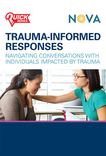
Pocket guides addressing abuse recognition, safety planning, available resources, and legal options provide accessible information for survivors and supporters.
Workplace Safety Planning Materials
Resources helping survivors develop workplace safety plans address specific concerns and protective measures for at-work safety.
Employee Support Resources
Materials for EAP providers and occupational health professionals support appropriate response to employees experiencing abuse.
Occupational Health and Screening Materials
Resources for healthcare providers conducting domestic violence screening and providing trauma-informed care.
Community Resource Directories
Customized guides listing local shelters, legal services, counseling providers, and other resources connect survivors with needed support.
QuickConnect App for Safety Planning
The QuickConnect platform enables distribution of safety planning tools, hotline information, resource directories, and support materials accessible when survivors need them.
Training Materials
Materials for workplace training on domestic violence recognition, appropriate response, and supporting affected employees build organizational capacity.
Measuring Awareness and Support Impact
Organizations should assess domestic violence programs through:
- Employee awareness of resources and policies
- Utilization of EAP services related to domestic violence
- Manager training completion and competency
- Safety plan development and effectiveness
- Employee feedback about support received
- Retention of employees affected by abuse
Conclusion
National Domestic Violence Awareness Month 2026 provides opportunity to raise awareness about intimate partner violence, support survivors, and address occupational health implications of abuse. Purple Thursday on October 19 invites community members to wear purple and show solidarity with survivors.
Domestic violence affects millions of people. If you or someone you know is experiencing abuse, please reach out for help. Resources exist, support is available, and leaving is possible. Safety planning and appropriate support enable survivors to build safe, healthy lives free from abuse.
Visit QuickSeries.com to explore our comprehensive domestic violence awareness and survivor support resources including awareness guides, safety planning materials, workplace support resources, occupational health materials, and digital distribution solutions. Contact our team to discuss custom solutions for your organization's employee assistance or occupational health program, or request samples evaluating materials before implementation. Together, we can support survivors and create workplaces where abuse survivors feel safe and supported.