











Summary
- Understanding Occupational Heat Stress
- OSHA Guidelines for Heat Illness Prevention
- Industries with Elevated Heat Stress Risk
- Heat Acclimatization and Gradual Work Introduction
- Heat Illness Prevention Strategies
- Heat Illness Response
- Special Considerations for Federal Contractors and Military
- Federal and OSHA Resources
- QuickSeries Resources Supporting Heat Illness Prevention
- Measuring Heat Illness Prevention Effectiveness
- Transition to Fall: Maintaining August Vigilance Through September
- Conclusion
August typically brings some of the year's highest temperatures, creating peak risk for heat-related illness and occupational injury. While many organizations prepare for cooler months as summer ends, August presents critical safety window when heat stress reaches maximum levels. For construction companies, outdoor work operations, manufacturing facilities, federal contractors, and organizations managing occupational health, August provides final opportunity for intensive heat illness prevention before fall season arrives.
Understanding Occupational Heat Stress
Heat stress occurs when body absorbs more heat than it can dissipate. In occupational contexts, workers absorb heat from environmental temperature, sun exposure, and physical work exertion. Heat stress produces physiological strain affecting work capacity and potentially causing heat-related illness.
Occupational heat-related illnesses range from minor to life-threatening. Heat cramps (painful muscle spasms) represent mildest form. Heat exhaustion involves elevated body temperature, weakness, dizziness, and rapid heart rate. Heat stroke-when body temperature exceeds 104°F-represents medical emergency with potential for permanent disability or death.
Heat illness risk factors include outdoor work in hot environments, heavy physical exertion, inadequate hydration, lack of acclimatization to heat, personal health conditions (obesity, cardiovascular disease), and certain medications affecting heat tolerance. Certain demographics-older workers, workers with chronic conditions—face elevated risk.
Importantly, heat illness is preventable through appropriate precautions, monitoring, and intervention.
OSHA Guidelines for Heat Illness Prevention
While OSHA lacks specific heat illness standard, the agency provides guidance recommending employers implement heat illness prevention programs including:
- Water provision ensuring workers can stay hydrated
- Shade or air-conditioned rest areas enabling heat recovery
- Monitoring for heat illness symptoms
- Training employees and supervisors on heat illness recognition and response
- Acclimatization protocols for workers new to hot environments
- Work-rest cycles reducing continuous heat exposure
- Modification of work schedules placing heaviest work during cooler parts of day
Federal contractors and organizations seeking OSHA compliance should implement these recommendations regardless of whether specific standard exists.
Industries with Elevated Heat Stress Risk
Certain industries face particularly high heat stress risk in August:
Construction Industry
Outdoor construction work in August heat creates significant heat stress risk. Roofers, laborers, equipment operators, and other construction workers performing heavy physical labor in direct sun face elevated risk. Proper hydration, rest breaks in shade, and modified schedules are critical.
Construction companies should ensure adequate water availability, establish rest areas with shade or air conditioning, monitor workers for symptoms, and modify work schedules placing heaviest work during cooler morning hours.
Agricultural and Outdoor Work
Farm workers, landscapers, maintenance workers, and others doing outdoor work face heat stress. Agricultural workers particularly vulnerable because they often work in fields distant from shade or water sources. Employers should ensure water and shade access even in remote work locations.
Utilities and Infrastructure Maintenance
Workers maintaining utilities, roads, and infrastructure working outdoors in summer heat face heat stress risk. Proper equipment, hydration, and work scheduling help prevent illness.
Military Operations and Field Training
Military personnel conducting field training in August heat face significant heat stress risk. Military medical protocols should emphasize hydration monitoring, work-rest cycles, and acclimatization. Military leaders should understand that heat illness can affect mission effectiveness.
Waste and Sanitation Services
Workers collecting garbage or managing waste facilities work in physically demanding jobs often in direct sun. Heat stress risk is elevated. Employers should provide hydration, rest opportunities, and monitoring.
Manufacturing and Warehouse
Even facilities with indoor work can become dangerously hot in August. Poor ventilation, machinery heat generation, or high ambient outdoor temperatures can create indoor heat stress. Facilities should ensure adequate ventilation, cooling, or work modifications.
Heat Acclimatization and Gradual Work Introduction
Workers new to hot environments or returning after absence need acclimatization—gradual physiological adaptation to heat. Acclimatization involves gradually increasing work duration in heat over 7-14 days enabling body to adapt to heat stress.
Acclimatization schedule typically involves:
- Day 1-3: 50% normal work duration
- Day 4-6: 60% normal work duration
- Day 7-9: 80% normal work duration
- Day 10-14: 100% normal work duration
Supervisors should monitor acclimatizing workers closely for heat illness symptoms and modify work if symptoms develop. Acclimatization reduces heat illness risk substantially.
Heat Illness Prevention Strategies
Organizations should implement multi-level prevention strategies:
Hydration
Workers should drink water regularly throughout work day, not waiting until thirsty. Adequate hydration maintains body's ability to regulate temperature through sweating. Workers should drink water even if not feeling thirsty, as thirst isn't reliable indicator of hydration need.
Recommendations typically suggest drinking 1 cup (8 oz) of water every 15-20 minutes during hot work.
Rest and Recovery
Workers need periodic breaks allowing body to cool. Rest breaks should be taken in shade or air-conditioning when possible, enabling substantial temperature reduction. Work-rest cycle reducing continuous heat exposure helps prevent heat illness.
Clothing and Equipment
Light-colored, loose-fitting, breathable clothing reflects sun and allows sweat evaporation. Avoiding heavy protective equipment when possible or using reflective coverings helps reduce heat absorption. However, safety equipment (hard hats, respirators, protective gear) shouldn't be removed solely for heat relief if needed for safety.
Schedule Modification
Scheduling heaviest work during cooler parts of day (early morning, evening) reduces peak heat exposure. Avoiding peak heat hours (typically afternoon) when possible reduces heat stress.
Shade and Cooling Areas
Providing shaded or air-conditioned areas enabling workers to rest and cool during work day is essential. Portable shade structures, temporary cooling stations, or access to air-conditioned facilities help.
Monitoring and Recognition
Supervisors should regularly observe workers for heat illness symptoms: excessive fatigue, confusion, loss of consciousness, rapid heart rate, or cessation of sweating. Workers should also monitor themselves and peers.
Heat Illness Response
If heat illness is suspected, immediate response is critical:
Heat Cramps: Stop activity, move to cool area, drink water, gently stretch affected muscles. Seek medical attention if cramps don't resolve within an hour.
Heat Exhaustion: Move to cool area immediately, lie down with legs elevated, apply cool water to skin, drink water, remove excess clothing. Seek medical attention if symptoms don't improve within 30 minutes or if person loses consciousness.
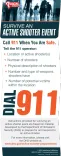
Heat Stroke (Medical Emergency): Call 911 immediately. Move to cool area, apply cool water or ice to skin, provide water if conscious. Do not delay emergency services waiting for symptoms to improve.
Special Considerations for Federal Contractors and Military
Federal contractors must comply with OSHA guidance and can be held liable for heat illness in workers. Federal contract vehicles often include heat illness prevention requirements. Contractors should implement comprehensive prevention programs.
Military personnel conducting field training in August face heat stress risk. Military medical protocols should emphasize hydration monitoring, work-rest cycles, and heat illness recognition. Military physical training should be modified during extreme heat.
Federal and OSHA Resources
Organizations implementing heat illness prevention should reference:
- OSHA Heat Illness Prevention Resources
- CDC Heat and Health Resources
- Military Heat Injury Prevention Guidelines
- Industry-specific guidance from construction, agriculture, and other sectors
These resources provide detailed technical guidance supporting comprehensive prevention programs.
QuickSeries Resources Supporting Heat Illness Prevention
QuickSeries offers resources supporting occupational heat stress prevention:
Heat Illness Prevention Pocket Guides
Portable guides addressing heat stress risk factors, hydration recommendations, work-rest cycles, acclimatization protocols, heat illness recognition, and emergency response provide accessible references for workers and supervisors.
Occupational Health and Safety Materials
Materials addressing workplace heat management, environmental occupational health, and summer safety management support organizational implementation of prevention programs.
Supervisor Training Resources
Materials training supervisors on heat illness recognition, worker monitoring, implementation of prevention strategies, and appropriate responses to symptoms help supervisors fulfill critical roles.
Worker Education Materials
Materials educating workers about heat stress, personal risk factors, hydration importance, and self-monitoring help workers understand their role in prevention.
QuickConnect App for Heat Safety
The QuickConnect platform enables organizations to distribute heat illness prevention information, provide hydration reminders, share emergency response procedures, send heat alerts during dangerous conditions, and track heat illness incidents.
Customized Organizational Materials
QuickSeries custom solutions incorporate organization-specific work environments, hazard profiles, and prevention strategies into materials tailored to specific operations.
Measuring Heat Illness Prevention Effectiveness
Organizations should assess heat illness prevention through:
- Heat illness incident tracking identifying trends
- Worker knowledge assessments measuring understanding of prevention
- Supervisor competency in recognizing heat illness symptoms
- Hydration and rest break compliance monitoring
- Temperature and humidity monitoring during hot periods
- Healthcare utilization for heat-related conditions
- Environmental health and safety audits of prevention infrastructure
Transition to Fall: Maintaining August Vigilance Through September
While August represents peak heat risk, high temperatures often persist into September. Organizations should maintain heat illness prevention vigilance even as season transitions to fall. Some years see late summer heat extending through Labor Day or beyond. Gradually reducing heat precautions as temperatures genuinely cool maintains worker safety through transition period.
Conclusion
Occupational heat illness represents preventable hazard. Organizations implementing comprehensive heat illness prevention programs-emphasizing hydration, rest, acclimatization, monitoring, and emergency response-protect workers while maintaining productivity.
August's peak heat creates urgency for comprehensive prevention focus. Organizations using August to review prevention programs, train supervisors and workers, ensure equipment readiness, and establish monitoring systems position themselves for worker safety throughout remaining hot season.
The resources you provide in August-hydration and rest infrastructure, worker and supervisor training, prevention equipment, monitoring systems-contribute directly to preventing heat illness, maintaining worker health and productivity, and demonstrating commitment to occupational safety.
Begin reviewing your heat illness prevention program now, assess current practices, and implement improvements addressing identified gaps. Visit QuickSeries.com to explore our comprehensive occupational health resources including heat stress prevention guides, occupational safety materials, supervisor training content, worker education materials, and digital distribution solutions. Contact our team to discuss custom solutions addressing your organization's specific heat stress challenges and work environments, or request samples evaluating materials before implementing your heat illness prevention program. Together, we can ensure workers stay safe and healthy through peak summer heat and autumn transition.