















Family caregivers play an important role in supporting loved ones who are aging, living with disabilities, managing chronic health conditions, or recovering from illness or injury.
Caregiving can involve a wide range of responsibilities, from helping with daily activities and transportation to coordinating appointments, managing household needs, and communicating with healthcare providers.
November is National Family Caregivers Month, an opportunity to recognize caregivers and raise awareness of the resources and support they need. It is also a time for healthcare providers, public health agencies, and community organizations to consider how they can make caregiver information easier to access and use.
Understanding the Many Roles of a Family Caregiver
Caregiving looks different for every family. Some caregivers provide occasional assistance, while others coordinate care and support on a daily basis.
Responsibilities may include:
- Helping loved ones with daily activities
- Supporting medication and appointment routines
- Communicating with healthcare professionals
- Managing transportation and household tasks
- Learning about available benefits and support services
- Providing emotional support and companionship
Many caregivers balance these responsibilities with employment, parenting, and other personal commitments. Having reliable information available can help them feel better prepared to navigate their role.
Why Accessible Caregiver Education Matters
Caregivers often need to learn new information while managing changing responsibilities. Clear educational resources can help explain health topics, outline practical steps, and point caregivers toward appropriate services.
Organizations that support caregivers can provide materials on topics such as:
- Understanding a loved one's health condition
- Preparing for healthcare appointments
- Communicating with healthcare providers
- Coordinating care among family members
- Identifying community and respite support
- Maintaining personal health and well-being
Educational materials are not a replacement for professional medical guidance. Instead, they can help caregivers organize questions, understand general information, and make more informed use of the services available to them.
Recognizing Caregiver Wellness
Supporting someone else can make it difficult for caregivers to prioritize their own needs. Caregiver wellness resources can encourage individuals to recognize when they need assistance and explore ways to maintain their physical, emotional, and social well-being.
Practical educational content may address stress management, asking for help, staying connected with others, and learning about respite services.
Healthcare providers and community organizations can help by making these resources part of caregiver education, outreach programs, and support services.
Connecting Caregivers With Community Resources
Caregivers may not always know which services are available or where to begin looking for support. Information about local programs, healthcare services, benefits, and caregiver organizations can help bridge that gap.
Organizations can make resources easier to navigate by providing clear contact information, step-by-step guidance, and materials that caregivers can keep for future reference.
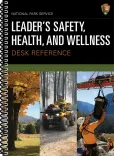
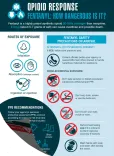
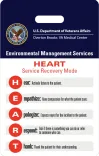
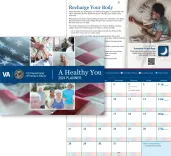
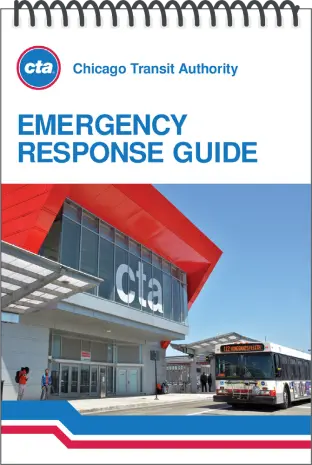
Printed guides, checklists, booklets, and digital resources can be distributed through hospitals, clinics, public health departments, veterans' programs, and community organizations.
Creating Resources That Support Caregivers
National Family Caregivers Month provides an opportunity to recognize caregivers while strengthening the information and support systems available to them.
Accessible, practical educational materials can help caregivers navigate responsibilities, connect with services, and feel more informed throughout their caregiving journey.
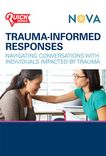
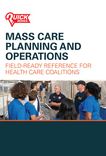
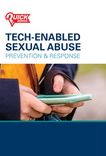
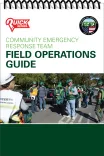
QuickSeries Publishing creates customized health education and outreach materials for healthcare providers, public health agencies, and community organizations. From caregiver guides and health education booklets to digital resources, our solutions help organizations deliver information in formats their audiences can use.
Explore our health education resources or contact QuickSeries to discuss developing customized materials for your caregiver support program.