









Summary
- Understanding National Preparedness Month's Mission
- Types of Emergencies Requiring Preparedness
- Components of Comprehensive Emergency Preparedness
- Federal and Organizational Preparedness Resources
- Developing Organizational Emergency Plans
- Special Considerations for Different Sectors
- QuickSeries Resources Supporting Emergency Preparedness
- Measuring Preparedness Effectiveness
- Conclusion
September marks National Preparedness Month, an annual campaign established by the Department of Homeland Security and FEMA emphasizing that preparedness is a shared responsibility involving individuals, families, organizations, and communities. With extreme weather events, natural disasters, and potential human-caused emergencies affecting communities nationwide, September provides critical opportunity for organizations to assess preparedness, implement improvements, and ensure personnel understand their roles during emergencies.
Understanding National Preparedness Month's Mission
National Preparedness Month recognizes that no single agency can prepare for every possible emergency. Instead, preparedness requires coordinated effort across government, private sector, nonprofits, and individual citizens. September's focus encourages Americans to take personal and organizational responsibility for preparedness-not from fear, but from commitment to protecting themselves, families, and communities.
Preparedness involves four key components: planning for potential emergencies, training personnel in response procedures, exercising plans through drills and simulations, and evaluating results to identify improvements. Organizations implementing these components systematically develop genuine preparedness rather than relying on assumptions about how they would respond to actual emergencies.
The economic impact of inadequate preparedness is substantial. Communities and organizations experiencing disasters with poor preparedness suffer greater losses, longer recovery periods, and higher costs compared to those with established plans and trained personnel. Investment in preparedness represents cost-effective disaster mitigation.
Types of Emergencies Requiring Preparedness
Organizations should prepare for multiple emergency types affecting their communities and operations:
Natural Disasters
Hurricanes, earthquakes, tornadoes, floods, wildfires, and other natural disasters represent common threats. Risk varies by geography-coastal areas face hurricane risk, earthquake-prone regions need seismic preparedness, inland areas may face tornado or flood risk. Understanding local threats enables targeted preparedness.
Severe Weather and Climate Events
Extreme heat, cold, snow, and ice events disrupt operations and create public health risks. September often brings preparation for fall and winter severe weather. Communities should prepare for extended power outages, water system failures, and infrastructure damage from severe weather.
Human-Caused Emergencies
Industrial accidents, hazardous materials incidents, infrastructure failures, and intentional acts create emergencies requiring response capability. Organizations should understand potential hazards in their facilities and surrounding areas.
Public Health Emergencies
Disease outbreaks, pandemics, and other public health crises require coordinated response across health systems. COVID-19 demonstrated importance of public health emergency preparedness affecting both health outcomes and economic continuity.
Infrastructure Failures
Power outages, water system failures, communications disruptions, and transportation infrastructure damage create cascading emergency impacts. Preparedness includes contingency plans for operating without these systems.
Components of Comprehensive Emergency Preparedness
Effective preparedness requires multiple integrated components:
Planning
Written emergency plans addressing potential threats provide framework for response. Plans should identify potential hazards, vulnerable populations, critical functions requiring maintenance, resource requirements, communication procedures, and personnel roles. Plans should be regularly reviewed and updated as circumstances change.
Training and Education
Personnel need training on emergency procedures, their specific responsibilities, and how to support affected individuals. Regular training ensures staff remember procedures and understand their critical roles. New personnel should receive orientation to emergency plans.
Equipment and Supplies
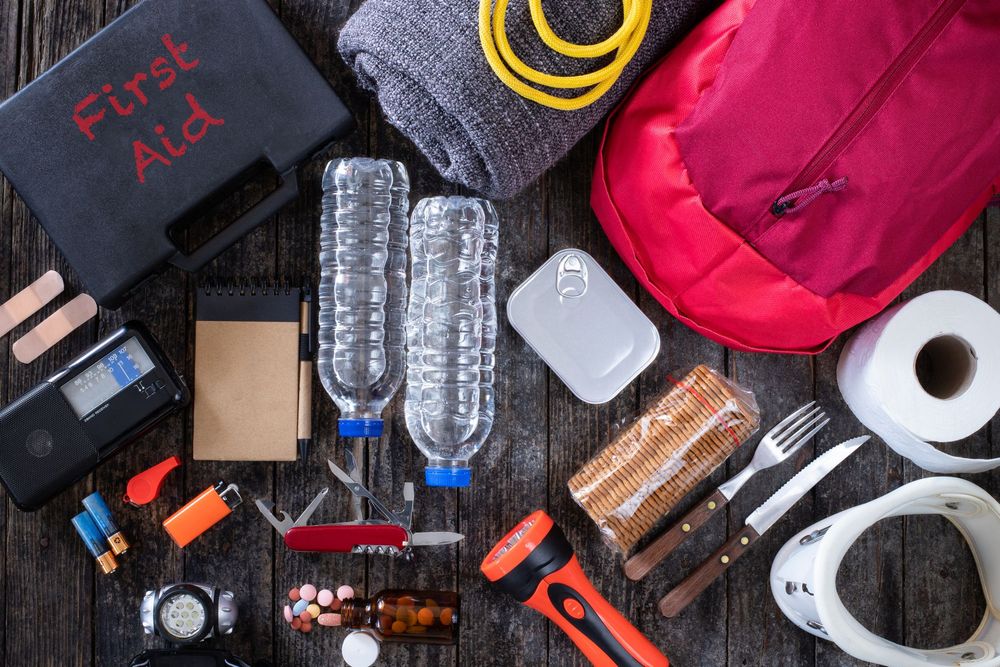
Organizations need emergency supplies: food, water, medical supplies, communication equipment, backup power, sanitation supplies, and specialized equipment for specific emergency types. Equipment should be regularly inspected and maintained.
Drills and Exercises
Regular drills and exercises test plans, train personnel, and identify gaps requiring attention. Tabletop exercises discuss scenarios without full participation. Functional exercises test specific capabilities. Full-scale drills involve all personnel responding as they would during actual emergencies.
Communication Systems
Organizations need reliable communication systems enabling coordination during emergencies. Backup communication systems should function when primary systems fail. Clear communication procedures ensure appropriate information reaches relevant personnel.
Mutual Aid and Community Partnerships
Organizations benefit from partnerships with emergency responders, neighboring organizations, government agencies, and community resources. Mutual aid agreements establish expectations for resource sharing and assistance during emergencies.
Federal and Organizational Preparedness Resources
Multiple resources support emergency preparedness:
FEMA Resources
The Federal Emergency Management Agency provides extensive preparedness resources including planning templates, training resources, exercise guidance, and toolkits for different organizations and sectors. Ready.gov provides individual and family preparedness resources.
Department of Homeland Security
DHS coordinates preparedness efforts across government and provides guidance on threat assessment, planning, and response.
Industry-Specific Resources
Different sectors face unique preparedness challenges. Construction, manufacturing, healthcare, schools, and other sectors have specialized guidance addressing their specific needs.
State and Local Resources
State emergency management agencies and local emergency management offices provide community-specific preparedness resources and coordinate regional planning.
Developing Organizational Emergency Plans
Organizations should develop comprehensive emergency plans through systematic process:
Hazard Assessment
Identify potential emergencies affecting your organization and community: natural disasters, technological accidents, human-caused events, public health emergencies. Assess likelihood and potential impact.
Business Impact Analysis
Understand critical functions that must continue during emergencies or be recovered quickly. Identify resources, personnel, and systems necessary for critical functions. Determine acceptable outage durations for different systems.
Planning Process
Establish planning team including representatives from different departments, leadership, and external partners when appropriate. Develop plans addressing identified hazards and protecting critical functions.
Plan Documentation
Document plans clearly with procedures, contact lists, resource inventories, and personnel roles. Ensure plans are accessible to relevant personnel and backed up in secure location.
Training and Drills
Train all relevant personnel on plan elements, their specific roles, and procedures. Conduct regular drills and exercises testing plan effectiveness and identifying improvement opportunities.
Plan Maintenance
Review plans regularly and update when organizational changes occur or new threats emerge. Review plan effectiveness after actual emergencies and incorporate lessons learned.
Special Considerations for Different Sectors
Different organizations require tailored preparedness approaches:
Federal Agencies
Federal agencies must maintain critical government functions during emergencies. Continuity of Operations (COOP) planning ensures essential functions continue despite disruptions. Federal agencies coordinate with other agencies for mutual support.
Schools and Educational Institutions
Schools must prepare for emergencies protecting students and staff. Plans should address evacuations, lockdowns, medical emergencies, and reunification procedures for releasing students to parents. Regular drills help students and staff respond appropriately without panic.
Healthcare Organizations
Hospitals and clinics must maintain life-saving services during emergencies. Plans should address patient safety, staff safety, supply continuity, and coordination with emergency responders. Healthcare organizations may need to accept surge capacity during mass casualty events.
Businesses and Corporations
Businesses need plans ensuring operations continue during emergencies or can recover quickly. Plans should address personnel safety, customer communications, supply chain disruptions, and financial implications.
Community Organizations and Nonprofits
Community organizations provide essential services during emergencies. Preparedness includes ensuring ability to serve affected populations and protecting vulnerable community members.
QuickSeries Resources Supporting Emergency Preparedness
QuickSeries offers comprehensive resources supporting organizational preparedness:
Emergency Response Pocket Guides
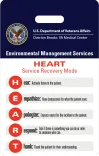
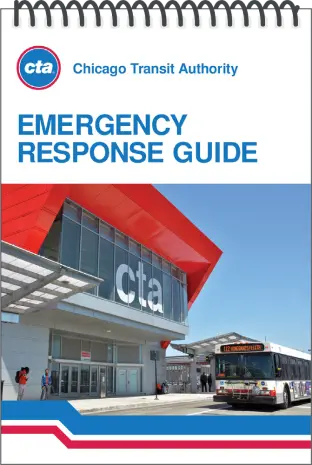
Portable guides addressing emergency procedures, role-specific responsibilities, communication procedures, and resource locations provide accessible references during high-stress emergencies. Laminated construction ensures durability in emergency conditions.
Emergency Planning Templates and Checklists
Comprehensive templates and checklists guide planning process: hazard assessments, business impact analyses, plan development, training plans, and exercise planning.
Incident Command System Materials
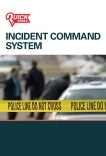
ICS guides help organizations and emergency responders implement standardized command structure during emergencies enabling effective coordination.
Organization-Specific Training Materials
Customized training resources address organization-specific plans, procedures, and roles helping personnel understand their responsibilities.
QuickConnect App for Emergency Protocols
The QuickConnect platform enables organizations to distribute emergency procedures, provide training, maintain contact lists, and send emergency alerts to personnel.
Customized Preparedness Materials
QuickSeries custom solutions incorporate organization-specific facilities, procedures, emergency contacts, and critical functions into professional materials.
Measuring Preparedness Effectiveness
Organizations should assess preparedness through:
- Completion of hazard assessments and planning
- Training completion and personnel knowledge assessments
- Drill participation and evaluation results
- Plan currency and maintenance
- Equipment and supply inventory and maintenance
- Communication system functionality
- After-action reviews following actual emergencies
Conclusion
National Preparedness Month 2026 provides opportunity for organizations to advance emergency preparedness-protecting personnel, maintaining critical functions, and supporting community resilience. Preparedness is not about fear but about responsible planning and realistic response capability.
The resources and planning you implement during September-comprehensive plans, trained personnel, functional equipment and systems, tested procedures-contribute directly to effective emergency response protecting lives and enabling faster recovery.
Begin planning your preparedness improvements now, assess current capabilities, and implement enhancements addressing identified gaps. Visit QuickSeries.com to explore our comprehensive emergency preparedness resources including pocket guides, planning templates, training materials, Incident Command System guides, and digital distribution solutions. Contact our team to discuss custom solutions for your organization or sector, or request samples evaluating materials before implementing your preparedness program. Together, we can build organizations and communities prepared to respond effectively to emergencies.