
















Summary
- Understanding PTSD in Military and Federal Contexts
- The Hidden Cost of Untreated PTSD
- Military PTSD Prevention and Support
- Federal and First Responder PTSD Support
- Workplace PTSD Stigma Reduction
- Comprehensive PTSD Awareness Week Programming
- Specialized Resources for Different Populations
- Measuring PTSD Program Impact
- Accessing Quality PTSD Resources
- Conclusion
June marks PTSD Awareness Month, a critical observance for military organizations, federal agencies, and employers nationwide to increase understanding of post-traumatic stress disorder, reduce stigma surrounding mental health challenges, and ensure service members, veterans, and employees with PTSD know about available support. As awareness grows about PTSD's prevalence and impact, organizations have enhanced opportunities to implement comprehensive support systems helping those affected trauma recover and thrive.
Understanding PTSD in Military and Federal Contexts
Post-traumatic stress disorder develops in some individuals following exposure to traumatic events—typically situations involving actual or threatened death, serious injury, or threats to physical safety. For military personnel, traumatic exposures include combat operations, improvised explosive device detonations, loss of unit members, or witnessing severe injuries or deaths. For first responders including law enforcement, firefighters, and emergency medical personnel, traumatic exposures include response to fatal accidents, mass casualties, or violence.
PTSD affects an estimated 3.5% of American adults annually, but rates among military and first responder populations substantially exceed general population prevalence. Recent data suggests that approximately 15-20% of Iraq and Afghanistan combat veterans develop PTSD, with rates potentially higher among those exposed to intense combat or IED blasts. First responders experience similar or potentially elevated PTSD rates depending on specific occupational exposures.
Understanding PTSD requires recognizing it as a normal response to abnormal circumstances rather than a sign of weakness or personal failure. Trauma survivors' brains neurologically change following traumatic exposure—threat-detection systems become hypervigilant, emotional regulation capacities diminish, and memory consolidation becomes disrupted. These neurological changes aren't choices or character weaknesses; they're predictable trauma responses.
The Hidden Cost of Untreated PTSD
While not all PTSD sufferers withdraw from work or relationships, untreated PTSD produces serious consequences affecting individuals, families, workplaces, and society. Service members and veterans with untreated PTSD experience elevated rates of substance abuse as individuals self-medicate traumatic memories and emotional pain, increased suicide risk with military suicide rates substantially exceeding civilian rates and PTSD being significant contributing factor, relationship difficulties from emotional withdrawal or hypervigilance affecting family connections, and occupational challenges including difficulty concentrating, irritability affecting workplace relationships, or avoidance of situations reminding them of trauma.
For employers and military organizations, untreated PTSD produces substantial indirect costs: elevated healthcare utilization from both PTSD and co-occurring conditions, disability claims removing productive workers from workforce, reduced work productivity from cognitive impacts and emotional dysregulation, and turnover as individuals leave organizations struggling to manage PTSD symptoms.
Importantly, PTSD is highly treatable. Evidence-based therapies including Prolonged Exposure therapy and Cognitive Processing Therapy produce significant symptom improvement in majority of individuals who complete treatment. Medications can reduce symptom severity enabling individuals to engage more fully in therapy and life. Peer support from others with PTSD experience helps normalize struggles and provides hope through recovery examples. When individuals access treatment, prognosis improves substantially.
Military PTSD Prevention and Support
Military organizations uniquely position to implement comprehensive PTSD prevention and support strategies addressing trauma exposure across deployment cycles and military service.
Unit-Level Resilience Building
Strong unit cohesion and peer support networks serve as protective factors reducing PTSD risk. Units with high cohesion where service members feel supported by peers, trust leadership, and maintain connections with unit members develop more resilience against traumatic exposure. Conversely, units with poor cohesion, leadership failures, or interpersonal conflicts experience higher PTSD rates.
Military leadership and training programs should emphasize unit cohesion as critical to operational effectiveness and psychological health. Combat stress management training teaching service members to recognize stress responses in themselves and peers, normalize trauma reactions, and access support helps entire units approach psychological health proactively.
Pre-Deployment Preparation
Pre-deployment training should include components preparing service members mentally and physically for combat stress and potential trauma. Training should address normal stress responses expected during deployment, coping strategies helping manage acute stress, recognition of concerning symptoms that may indicate need for support, and clear information about support services available during and after deployment.
Family pre-deployment preparation proves equally important. Families understanding what service members may experience, how deployment affects relationships, and what support exists for families during separations are better equipped to maintain resilience throughout deployment cycles.
During-Deployment Support
Trauma exposure doesn't necessarily cause PTSD—many trauma-exposed individuals recover naturally without clinical intervention. Supporting service members during and shortly after trauma exposure can reduce progression to PTSD. Combat stress first aid teachings peers and leaders to recognize acute stress reactions, provide supportive presence, and direct individuals toward appropriate support represents evidence-based early intervention.
Military chaplains, medical personnel, and mental health professionals deployed with units provide essential support during and immediately following traumatic events. Normalizing help-seeking during deployment—positioning mental health consultation as routine part of operational support rather than sign of weakness—increases likelihood that service members access support when needed.
Post-Deployment Support and Reintegration
The post-deployment period represents critical window for PTSD prevention and early intervention. Service members should receive pre-reintegration briefings preparing them for potential readjustment challenges, educating them about PTSD symptoms to recognize, and emphasizing that seeking support is sign of strength and commitment to themselves and families.
Transition programs helping service members reintegrate into home environments, reconnect with families, and adjust to civilian communities support psychological health. When service members feel supported through this transition and know where to access help, they're more likely to seek assistance if PTSD symptoms develop rather than suffering silently.
Federal and First Responder PTSD Support
Federal agencies and first responder organizations implement PTSD support through occupational health programs and employee assistance services.
Occupational Health Programs
Federal agencies should ensure occupational health programs screen for PTSD among employees and first responders, provide education about trauma responses and available support, and connect affected individuals with mental health services. Occupational health professionals understanding trauma-informed care provide better support than those unfamiliar with PTSD's unique presentations.
First Responder Programs
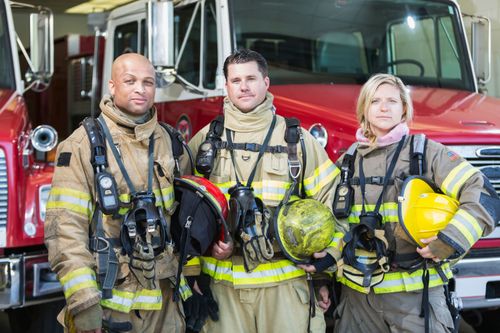
Law enforcement, firefighting, emergency medical services, and other first responder organizations should implement comprehensive wellness programs addressing mental health including PTSD risk. Peer support programs where responders trained in peer support provide immediate emotional support following critical incidents prove particularly valuable for first responder cultures where informal peer connections often take precedence over formal mental health relationships.
Critical Incident Stress Management programs offering immediate support following traumatic calls or events help normalize psychological reactions and connect individuals needing additional support with appropriate resources. When agencies normalize psychological support following trauma, officers feel more comfortable seeking help if symptoms develop.
Workplace PTSD Stigma Reduction
A critical barrier to PTSD treatment is stigma—individuals hesitating to disclose PTSD or seek treatment due to fears about how others perceive them, concerns about career impacts, or beliefs that seeking help indicates weakness. Organizations successfully reducing PTSD stigma create cultures where mental health challenges are viewed similarly to physical health challenges requiring medical attention.
Stigma reduction requires multi-level efforts: leadership visibility about mental health, messages normalizing PTSD as treatable condition rather than character failure, policies explicitly protecting individuals disclosing mental health needs from retaliation or discrimination, and peer education reducing misconceptions about PTSD and trauma responses.
Visible leadership engagement with mental health proves particularly powerful. When military leaders, executives, or senior officials openly discuss their own mental health challenges or emphasize importance of psychological wellbeing, it signals that mental health discussion is culturally acceptable and leadership-endorsed.
Comprehensive PTSD Awareness Week Programming
Organizations should approach June with strategic PTSD Awareness Month programming addressing knowledge, stigma reduction, and resource connection:
Week 1: Building Awareness and Understanding
Launch the month with activities educating audiences about PTSD: what trauma is, how PTSD develops, prevalence among service members and first responders, and available evidence-based treatments. Distribute educational materials explaining PTSD symptoms, distinguishing normal trauma responses from PTSD requiring treatment, and describing how PTSD affects relationships and work.
Leadership statements emphasizing organizational commitment to supporting those with PTSD set positive tones for month-long initiatives. When commanders, executives, or senior officials clearly communicate that PTSD is recognized, that supporting affected individuals is organizational priority, and that seeking help is encouraged and supported, it significantly impacts organizational culture.
Week 2: Stigma Reduction and Peer Support
Focus the second week on reducing mental health stigma through activities promoting peer support and normalizing PTSD discussion. Host panels featuring service members or employees with lived PTSD experience discussing their challenges, recovery journeys, and available support. Lived experience storytelling often proves more impactful than abstract educational content in changing attitudes and reducing stigma.
Provide training for supervisors and leaders on recognizing concerning PTSD symptoms, responding supportively when employees disclose struggles, and appropriately accommodating service members or employees managing PTSD. Education for leaders proves critical since their responses substantially influence whether employees feel safe disclosing mental health needs.
Organize peer support training for interested individuals. Peer support programs capitalizing on relationships among service members or coworkers provide accessible mental health support in culturally acceptable formats for those hesitant accessing formal mental health services.
Week 3: Treatment and Recovery Resources
Dedicate the third week to connecting individuals with available treatment. Provide clear information about mental health services available: military mental health services, VA mental health programs for veterans, federal employee assistance programs, occupational health mental health services, and community mental health providers. Ensure individuals understand that multiple treatment options exist and that PTSD responds well to evidence-based therapies.
Distribute materials describing evidence-based PTSD treatments: Prolonged Exposure therapy helping individuals process trauma memories, Cognitive Processing Therapy addressing trauma-related thoughts and beliefs, and medications reducing PTSD symptom severity. Address common misconceptions about treatments—for instance, that exposure therapy requires reliving trauma in detail when actually individuals control exposure pace and intensity.
Emphasize that treatment works. Research demonstrates that majority of individuals completing evidence-based PTSD therapy experience significant symptom reduction and improved quality of life. Recovery is possible, and seeking help represents strength and self-care.
Week 4: Supporting Families and Building Long-Term Support
Use the final week emphasizing PTSD affects not only individuals but families and relationships. Provide resources for family members supporting loved ones with PTSD: understanding how trauma affects relationships, self-care for caregivers, and family therapy options supporting relationship healing.
Emphasize that PTSD support extends beyond awareness month. Establish ongoing programs: mental health screening through occupational health, peer support programs available year-round, mental health benefits in insurance plans, and occupational health resources supporting affected individuals. Recognize that recovery is ongoing journey and sustained support proves essential.
Specialized Resources for Different Populations
Comprehensive PTSD programs provide resources for specific populations:
For Combat Veterans
Combat-specific materials address experiences unique to military trauma: deployment stress, combat operations exposure, loss of unit members, and transition from military to civilian life. Resources should acknowledge military culture and values, recognizing that service members may be hesitant accessing support perceived as incompatible with military identity or demonstrating weakness.
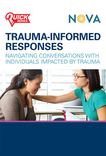
QuickSeries PTSD peer support guides designed for military populations provide accessible information for service members supporting peers, addressing common PTSD presentations in military contexts, and connecting individuals with appropriate resources.
For First Responders
First responder-specific PTSD resources address occupational trauma exposures: responding to fatal accidents, mass casualties, or line-of-duty deaths. Materials should acknowledge first responder culture and occupational realities, recognizing that responders may resist mental health support if framed as weakness or incompatible with professional identity.
Peer support programs designed for first responders prove particularly valuable, capitalizing on strong peer bonds within police, fire, and emergency services communities.
For Federal Employees and Military Family Members
Civilian employees and family members experiencing PTSD from various traumatic exposures need accessible resources. Federal employee assistance programs should be well-publicized with materials explaining confidentiality protections and how to access services. Family members supporting loved ones with PTSD need resources addressing secondary trauma and caregiver support.
Measuring PTSD Program Impact
Organizations should assess Diabetes Awareness Week programming through multiple indicators:
Program participation reveals engagement with PTSD awareness activities. High attendance at educational sessions, stigma-reduction events, or peer support training suggests effective programming reaching target audiences.
Knowledge assessment reveals whether educational objectives achieved. Pre- and post-program surveys can measure whether participants improved understanding of PTSD, recognize it as treatable condition, and know how to access support.
Help-seeking behaviors indicate whether awareness programming translates to individuals actually accessing treatment. Monitor whether mental health service utilization increases following PTSD Awareness Month campaigns—increased service use may indicate improved awareness and reduced barriers to care.
Organizational culture changes reflect longer-term programming impacts. Periodic climate surveys assessing attitudes toward mental health, stigma levels, and perceptions of organizational support indicate whether comprehensive PTSD awareness efforts produce cultural shifts supporting psychological wellbeing.
Accessing Quality PTSD Resources
Organizations developing comprehensive PTSD Awareness Month programming and year-round support should partner with experienced providers offering evidence-based materials designed for military and federal contexts. QuickSeries has extensive experience creating PTSD awareness and peer support materials specifically for DoD, military branches, veteran organizations, and federal agencies.
Our materials reflect trauma-informed approaches emphasizing that PTSD is treatable, peer support networks provide accessible help, and recovery is possible. Federal agencies can access QuickSeries materials through GSA Schedule procurement, streamlining purchasing while ensuring compliance with federal requirements.
Custom solutions incorporate organization-specific information: available mental health services, occupational health resources, employee assistance program details, and peer support program information. Customization ensures materials feel immediately relevant and actionable for intended audiences.
The QuickConnect app enables digital PTSD resource distribution reaching all personnel regardless of location or schedule. Digital platforms allow interactive peer support guides, recovery stories, and resource directories accessible whenever needed. Push notifications can remind personnel about upcoming support opportunities or mental health screening events.
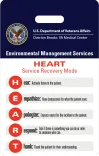
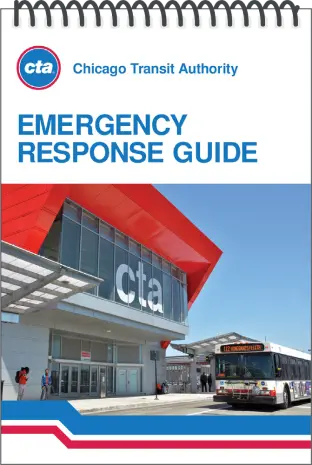
Pocket guides on PTSD and peer support provide portable references personnel can carry continuously. Materials address recognizing PTSD symptoms, supporting peers with PTSD, accessing help, and recovery possibilities.
Conclusion
PTSD Awareness Month 2026 represents critical opportunity for military organizations, federal agencies, and employers to increase understanding of post-traumatic stress disorder, reduce stigma preventing help-seeking, and ensure affected individuals know about available support. Effective response requires comprehensive approaches: educating about PTSD prevalence and treatability, reducing stigma through leadership engagement and peer storytelling, connecting individuals with evidence-based treatment, and supporting families affected by loved ones' trauma.
The resources you provide during June—awareness materials educating about PTSD, stigma-reduction activities and peer support, treatment information and resource connections—contribute directly to helping trauma-affected individuals access recovery, strengthening military units and organizations, and demonstrating commitment to personnel wellbeing extending beyond operational effectiveness to genuine care for those affected by trauma.
Begin planning your PTSD Awareness Month 2026 campaign now, assessing your organization's current culture around mental health, identifying gaps in support systems, and establishing resources and programming that will make June an impactful launch point for sustained PTSD awareness and support. Visit QuickSeries.com to explore our comprehensive PTSD awareness and peer support resources including pocket guides, training materials, stigma-reduction programming, occupational health resources, and digital distribution solutions. Contact our team to discuss custom solutions incorporating your organization's specific PTSD support needs, available mental health services, and organizational culture, or request samples to evaluate materials before implementing your PTSD awareness campaign. Together, we can create organizations where those affected by trauma feel supported, know recovery is possible, and access help without fear or stigma.