














June marks Gun Violence Awareness Month, an observance encouraging individuals and organizations to address the public health crisis of gun violence through prevention education, awareness raising, and community action. With National Gun Violence Awareness Day celebrated on the first Friday of June and the "Wear Orange" campaign encouraging visible displays of support for violence prevention, June provides focused opportunities for organizations to address violence prevention, emergency preparedness, and support for affected communities.
Understanding Gun Violence as a Public Health Priority
Gun violence represents a significant public health crisis affecting millions of Americans annually. The Centers for Disease Control reports that firearm injuries are leading cause of death among children and adolescents, with more Americans dying from gun violence annually than from car accidents. Beyond fatal injuries, non-fatal gun violence creates survivors with lifelong physical, psychological, and emotional consequences requiring extended healthcare and rehabilitation.
Gun violence affects diverse communities and contexts: mass shooting events creating widespread trauma and media attention, everyday community violence in neighborhoods where residents fear leaving homes safely, intimate partner violence where firearms dramatically increase likelihood of lethal outcomes, and unintentional injuries from improper firearm handling. Each context requires understanding and prevention approaches recognizing specific risk factors and intervention opportunities.
For organizations and communities, gun violence prevention requires comprehensive public health approaches addressing multiple risk factors: access to firearms without appropriate safety training or background screening, intimate partner violence escalating to lethal force, community violence rooted in trauma, poverty, and limited opportunity, and mental health crises where individuals access lethal means without safety planning. Effective prevention addresses these multiple risk factors simultaneously.
The "Wear Orange" Campaign and Visible Solidarity
Gun Violence Awareness Day, celebrated on the first Friday of June annually, stems from 2013 when friends of Hadiya Pendleton—a 15-year-old killed by stray gunfire in Chicago—began wearing orange in her memory. Orange, the color hunters wear to stay visible and safe, became symbol of movement to make gun violence visible and prevention priority.
The "Wear Orange" campaign encourages individuals, organizations, and communities to visibly demonstrate commitment to ending gun violence. Wearing orange during June creates community visibility, starts conversations about violence prevention, and shows solidarity with survivors and families affected by gun violence. Organizational participation—encouraging employees to wear orange, decorating facilities with orange ribbons, or featuring orange in communications—demonstrates commitment to violence prevention as organizational value.
Gun Violence Prevention at Multiple Ecological Levels
Comprehensive gun violence prevention requires addressing risk factors at individual, relationship, community, and societal levels:
Individual Level
Individual-level prevention addresses factors increasing personal risk: substance abuse, mental health crises, impulsive tendencies, or access to firearms without training. Violence prevention education teaching conflict de-escalation, emotional regulation, and non-violent problem-solving provides skills reducing likelihood individuals resort to violence during conflicts. Mental health screening and treatment address psychological conditions sometimes associated with violence risk.
Firearm safety training ensures those with firearms understand proper handling, storage, and responsibility. Safe storage—particularly keeping firearms locked and ammunition secured separately—dramatically reduces risks of unintentional injuries, suicides, and improper access by children or others not authorized to use weapons.
Relationship Level
Much gun violence involves intimate partners or family members. Intimate partner violence becomes dramatically more lethal when firearms are present. Prevention addressing intimate partner violence—through counseling, support services for abused partners, and firearm removal during dangerous situations—reduces lethal outcomes. Workplace and school environments where relationships are positive, conflict is addressed constructively, and support is available for those in distress reduce violence risk.
Community Level
Community-level prevention addresses neighborhood violence through violence interruption programs employing trusted messengers to interrupt conflicts before escalation to violence, community organizing addressing root causes of violence including poverty and lack of opportunity, and victim services supporting those affected by violence trauma. Strong communities with social cohesion, economic opportunity, and collective efficacy experience lower violence rates than disconnected communities.
Societal/Policy Level
Policy-level prevention includes firearm regulations requiring background checks and safety training, red flag laws allowing temporary firearm removal during crisis situations, community violence intervention programs receiving funding, and research funding enabling evidence-based violence prevention approaches. Organizations can support evidence-based policies while implementing local violence prevention.
Workplace Violence Prevention and Gun Violence
For employers and federal agencies, gun violence prevention intersects with workplace violence prevention. Active shooter incidents represent extreme manifestation of workplace violence, with organization needing preparedness while addressing broader workplace violence prevention.
Organizations should implement comprehensive workplace violence prevention including threat assessment identifying individuals at risk of violence, de-escalation training for staff interacting with potentially violent individuals, workplace violence policies addressing prohibited behaviors, and emergency preparedness including active shooter response training. These comprehensive approaches address full spectrum of workplace violence rather than only focusing on rare active shooter scenarios.
Access to firearms in workplace should be carefully controlled. Organizations maintaining controlled environments limiting unauthorized firearm presence reduce active shooter risk. For organizations where firearms are legitimately present—law enforcement, security services, military installations—strict protocols governing firearm access, secure storage, and use prove essential.
Comprehensive Gun Violence Awareness Month Programming
Organizations should approach June with strategic programming addressing prevention education, awareness raising, and community support:
Week 1: Awareness and Community Impact
Begin the month with activities building awareness about gun violence's scope and human impact. Distribute educational materials explaining gun violence epidemiology, risk factors, and prevention approaches. Feature stories of survivors and families affected by gun violence, personalizing impact and creating empathy for prevention priority.
Organize community events addressing violence prevention: community forums discussing local violence challenges, partnerships with community organizations working on violence prevention, and displays highlighting organizations and individuals working for gun violence prevention. These events build community awareness and visibility.
Wear Orange Day activities—encouraging employees to wear orange, decorating facilities with orange symbols, and sharing messages of solidarity—create visible demonstrations of commitment to violence prevention.
Week 2: Education and Prevention Strategies
Focus the second week on teaching concrete violence prevention strategies. Conduct workshops on conflict de-escalation helping individuals address conflicts without escalating to violence, mental health crisis response teaching recognition of mental health emergencies and appropriate intervention, and active shooter preparedness for organizational security and emergency response.
Provide education about firearm safety for those with guns at home: safe storage protecting children and others from unintentional injury or unauthorized access, proper handling reducing accidental discharge risks, and background on evidence showing safe storage reduces suicide completion rates and unintentional injuries.
Address intimate partner violence prevention through education about healthy relationships, recognition of warning signs in relationships or friends' relationships, and support resources for those in abusive situations or concerned about friends. Intimate partner violence often precedes lethal outcomes, making prevention education critical.
Week 3: Community and Organizational Resources
Dedicate the third week to connecting individuals with gun violence prevention resources: community violence intervention programs working on prevention, mental health services addressing psychological risk factors, support services for violence survivors, and advocacy organizations working for policy changes supporting prevention. Ensure individuals know where to access help if concerned about themselves or others.
Provide information about organizational violence prevention measures: threat assessment processes, de-escalation resources, emergency preparedness planning, and employee assistance programs providing support for those experiencing crisis or distress.
For organizations, this week highlights internal violence prevention efforts and demonstrates commitment to safe work environment.
Week 4: Sustaining Prevention Commitment
Use the final week emphasizing that gun violence prevention extends far beyond awareness month. Establish or reinforce ongoing violence prevention programming: threat assessment procedures operating year-round, de-escalation training available routinely, mental health and substance abuse treatment accessible, community violence prevention partnerships maintained, and organizational support for evidence-based violence prevention policies.
Recognize individuals and organizations contributing to violence prevention through their work or advocacy. Celebrate progress while acknowledging ongoing challenges in violence reduction.
Gun Violence Prevention and Organizational Strategy
Organizations can integrate gun violence prevention into broader organizational strategy:
Federal agencies implement gun violence prevention through data collection enabling evidence-based approaches, policy development supporting prevention, and community partnerships supporting local violence prevention efforts. Federal research funding supports violence prevention research. Agencies employ research findings in program development and policy recommendations. Personnel engaged in violence prevention work should have access to training, resources, and support.
Police agencies prevent gun violence through enforcement of laws, response to violent crime, and increasingly through violence interruption and prevention partnerships. De-escalation training reduces likelihood that police-involved situations turn lethal. Community policing approaches building trust between police and communities reduce violence through collaborative problem-solving. Access to mental health crisis response training helps officers appropriately respond to mental health crises without unnecessary force.
For Schools and Universities
Educational institutions implement gun violence prevention through threat assessment, emergency preparedness, and mental health support. Threat assessment teams evaluate concerning behaviors or statements identifying individuals at risk. Emergency preparedness including active shooter response training ensures students and staff know how to respond during violent incidents. Mental health screening and support services address psychological distress that sometimes precedes violence.
For Corporate and Private Organizations
Corporations implement violence prevention through workplace violence prevention programs, threat assessment procedures, emergency preparedness, and employee assistance programs. Organizations with comprehensive violence prevention demonstrate commitment to employee safety while reducing risk of violence disrupting operations.
Specialized Resources for Different Audiences
Comprehensive gun violence prevention programming provides resources for specific populations:
For Active Shooter Preparedness
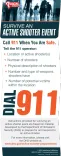
QuickSeries Active Shooter Response Pocket Guide provides practical guidance for civilians responding during active shooter incidents. Content covers run, hide, fight protocols with specific guidance for each option, de-escalation techniques if confronted, and post-incident trauma management. Guides suitable for all workplace and educational environments provide accessible references during high-stress situations.
For Community Violence Prevention
Community violence prevention materials address prevention in neighborhoods, conflict de-escalation, support for violence survivors, and available community resources. Resources should reflect community-specific contexts and challenges.
For Mental Health Crisis Response
Materials addressing mental health crisis recognition and response help individuals assist those in psychological distress. De-escalation techniques, safety planning, and mental health service access information support appropriate crisis intervention.
For Intimate Partner Violence Prevention
Resources addressing healthy relationships, warning signs of abuse, and support for those in dangerous relationships help prevent intimate partner violence escalation to lethal force.
Measuring Gun Violence Prevention Impact
Organizations should assess Gun Violence Awareness Month programming through multiple measures:
Program participation reveals engagement with prevention activities. High attendance at educational sessions or community events suggests effective programming reaching target audiences.
Knowledge assessment measures whether participants improved understanding of gun violence prevention. Pre- and post-program surveys reveal whether participants learned about risk factors, prevention strategies, or available resources.
Help-seeking behaviors indicate whether awareness programming translates to individuals accessing support. Monitoring whether crisis hotlines receive increased calls, mental health services see increased utilization, or violence prevention programs receive increased participation suggests successful awareness raising.
Organizational violence prevention measures track implementation of prevention strategies: threat assessment procedures active, staff trained in de-escalation, emergency preparedness plans current, and mental health resources available.
Accessing Quality Gun Violence Prevention Resources
Organizations developing comprehensive Gun Violence Awareness Month programming and year-round prevention should partner with experienced providers offering evidence-based materials designed for diverse organizational contexts. QuickSeries has extensive experience creating emergency preparedness and active shooter response materials for federal agencies, law enforcement, educational institutions, and corporate organizations.
Our materials reflect evidence-based approaches emphasizing both prevention and preparedness. Federal agencies can access QuickSeries materials through GSA Schedule procurement, streamlining purchasing while ensuring compliance with federal requirements.
The QuickConnect app enables digital distribution of active shooter and violence prevention resources reaching all personnel regardless of location. Interactive content, real-time updates, and accessible reference materials ensure resources reach those needing them.
Pocket guides on active shooter response and community violence prevention provide portable references personnel can carry continuously. Materials address specific scenarios individuals might face, providing practical guidance applicable across diverse organizational contexts.
Posters placed in workplaces and schools keep violence prevention and emergency preparedness messaging visible year-round. Displays featuring Orange Day messaging during June connect to broader gun violence awareness.
Conclusion
Gun Violence Awareness Month 2026 represents opportunity for organizations and communities to address gun violence through prevention education, emergency preparedness, and community action. While gun violence prevention is complex public health challenge requiring multifaceted approaches, organizational commitment to violence prevention through education, preparedness, and support demonstrates priority on employee and community safety.
The resources you provide during June—awareness materials educating about gun violence, emergency preparedness guides preparing for worst-case scenarios, prevention resources addressing underlying risk factors, and community support—contribute to making communities safer places where violence is prevented and those affected by violence receive appropriate support.
Begin planning your Gun Violence Awareness Month 2026 campaign now, assessing your organization's current violence prevention and emergency preparedness capabilities, identifying gaps in prevention and response systems, and establishing resources and programming that will make June an impactful launch point for sustained violence prevention. Visit QuickSeries.com to explore our comprehensive active shooter preparedness and violence prevention resources including pocket guides, emergency response materials, occupational health resources, and digital distribution solutions. Contact our team to discuss custom solutions incorporating your organization's specific safety challenges, operational contexts, and prevention priorities, or request samples to evaluate materials before implementing your gun violence awareness campaign. Together, we can create communities and organizations where violence is prevented, those affected by violence receive appropriate support, and all individuals can safely live, work, and pursue meaningful lives.