







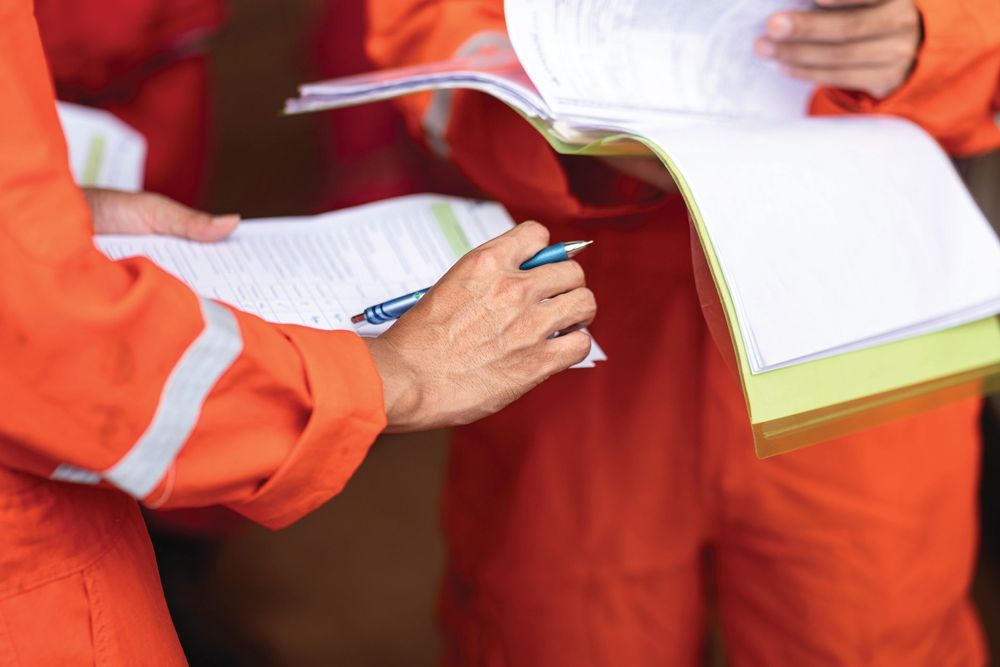
Spring marks peak season for Community Emergency Response Team (CERT) training across the country. CERT programs prepare everyday citizens to assist their communities before, during, and after disasters.
Here are 7 critical skills participants learn in CERT training:
1. Disaster Preparedness Planning
CERT members learn how to assess risks in their communities and create emergency response plans that reduce panic and confusion.
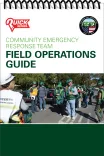
The CERT Field Operations Guide reinforces many of these planning principles for ongoing readiness.
2. Fire Suppression Basics
Participants learn how to safely use fire extinguishers and identify small, manageable fires - while understanding when to evacuate.
3. Disaster Medical Operations
CERT includes basic medical training such as bleeding control, airway management, and shock stabilization.
4. Triage Techniques
In large-scale emergencies, prioritizing care is essential. CERT training teaches how to quickly assess injuries and determine urgency.
5. Light Search and Rescue
Volunteers learn safe techniques for searching damaged structures and assisting victims without putting themselves at unnecessary risk.
6. Disaster Psychology
Emergencies affect mental health. CERT addresses emotional reactions, stress management, and how to support survivors compassionately.
The Mental Health and Wellness Guide complements these principles by reinforcing coping strategies and resilience.
7. Team Organization and Communication
CERT emphasizes coordination, leadership roles, and clear communication - because organized teams respond more effectively.
Communities can enhance communication readiness through tools like QuickConnect App Solutions, ensuring timely information distribution during emergencies.
Conclusion
CERT training transforms neighbors into capable responders. By equipping citizens with practical disaster response skills, communities become stronger, more resilient, and better prepared for whatever challenges lie ahead.