













Summary
- The Reality of Workplace Violence in America
- Understanding April's Safety Observances
- Why Organizations Must Prioritize Active Shooter Preparedness
- The Run, Hide, Fight Protocol
- Comprehensive Active Shooter Preparedness Materials
- Visual Workplace Displays
- Digital Distribution Through Mobile Apps
- Building Comprehensive Violence Prevention Programs
- Threat Assessment and Behavioral Intervention
- Supporting Employees After Traumatic Events
- Taking Action This April
- Conclusion
April brings multiple workplace safety observances—Workplace Violence Awareness Month and World Day for Safety and Health at Work on April 28—making it an ideal time for organizations to prioritize active shooter preparedness and comprehensive workplace violence prevention. With recent statistics showing that nearly one in four workers have experienced workplace violence, proactive preparation is not just recommended—it's essential.
The Reality of Workplace Violence in America
Workplace violence encompasses a spectrum of threatening behaviors, from verbal abuse and intimidation to physical assault and active shooter incidents. While active shooter events represent the most catastrophic form of workplace violence, organizations must prepare for the full continuum of threatening situations that employees may face.
Active shooter incidents, though statistically rare, carry devastating consequences. According to federal data, these situations often conclude within 10 to 15 minutes—frequently before law enforcement can arrive on scene. This reality places the burden of initial response on civilians who must be prepared both mentally and physically to react appropriately when seconds count.
The Cybersecurity and Infrastructure Security Agency defines an active shooter as one or more individuals actively engaged in killing or attempting to kill people in a populated area. These incidents are inherently unpredictable, evolve rapidly, and often show no pattern in victim selection. This unpredictability makes comprehensive preparedness training essential for all organizations, regardless of size, industry, or perceived risk level.
Understanding April's Safety Observances
Workplace Violence Awareness Month throughout April provides organizations with a focused timeframe to address prevention, recognition, and response to workplace violence. This month-long observance encourages employers to assess their workplace violence prevention programs, train employees on recognizing warning signs, and ensure everyone knows how to respond during violent incidents.
April's observances align with Law Enforcement National Security Week, typically held in March, which includes active shooter response training for law enforcement personnel. This timing creates natural opportunities for organizations to coordinate with local law enforcement on workplace security assessments, training exercises, and response protocols.
World Day for Safety and Health at Work on April 28 brings global focus to occupational safety issues. Established by the International Labour Organization, this observance emphasizes that safe, healthy work environments are fundamental human rights. Workplace violence prevention, including active shooter preparedness, represents a critical component of comprehensive workplace safety programs.
Why Organizations Must Prioritize Active Shooter Preparedness
Every organization—from Fortune 500 corporations to small businesses, from federal agencies to educational institutions—faces potential active shooter risk. Recent incidents have occurred across virtually every setting: offices, retail locations, healthcare facilities, manufacturing plants, government buildings, schools, and houses of worship.
Federal Agencies and Government Offices
Federal facilities face unique security challenges given their symbolic significance as government targets. The Interagency Security Committee has developed extensive guidance for federal facilities on planning and responding to active shooter incidents. Federal employees need training on facility-specific response procedures, secure areas, and evacuation routes that account for security protocols already in place.
QuickSeries has extensive experience working with federal agencies through GSA Schedule procurement. Our active shooter response pocket guides have been deployed across Department of Defense installations, Department of Veterans Affairs facilities, Department of Homeland Security offices, and numerous other federal agencies seeking to ensure employee preparedness.
Law Enforcement Agencies
While law enforcement officers receive tactical training for active shooter response, agencies must also prepare administrative staff, civilian employees, and support personnel who may not have law enforcement backgrounds. These individuals need the same run-hide-fight training as any civilian population, along with agency-specific procedures for alerting armed personnel and securing sensitive areas.
Law enforcement agencies also benefit from having standardized educational materials they can provide to community organizations during outreach programs. QuickSeries active shooter response pocket guides serve as valuable leave-behind resources when officers conduct preparedness presentations at schools, businesses, or community events.
Educational Institutions
Schools, colleges, and universities face particular challenges in active shooter preparedness given their open environments, large populations, and diverse stakeholder groups including students, faculty, staff, and visitors. Educational institutions need age-appropriate materials for different populations: elementary students require different guidance than high school students, while college students and school staff need comprehensive response training.
The portable, durable format of pocket guides makes them ideal for educational settings. Teachers can keep them in desk drawers, students can carry them in backpacks, and campus security personnel can reference them during incident response. Unlike digital resources that require device access and internet connectivity, printed guides remain accessible during emergencies when power or communications may be compromised.
Healthcare Facilities
Hospitals, clinics, and mental health facilities experience workplace violence at elevated rates compared to other sectors. Healthcare workers face threats from patients experiencing psychiatric crises, individuals under the influence of substances, or those upset about care outcomes. Active shooter preparedness is just one component of comprehensive workplace violence prevention needed in healthcare settings.
Healthcare-specific considerations include securing areas where vulnerable patients are located, protecting medical equipment and supplies, and ensuring continuity of care during lockdown situations. Staff need training on balancing patient care responsibilities with personal safety during violent incidents.
Corporate and Enterprise Organizations
Businesses of all sizes should implement active shooter preparedness programs as part of broader workplace safety initiatives. Corporate security teams, facilities management, human resources, and employee safety committees all play roles in comprehensive violence prevention.
For organizations with multiple locations, standardized training materials ensure consistent messaging across all sites. QuickSeries custom print solutions allow companies to incorporate their corporate branding, specific facility information, and company-unique emergency procedures while maintaining evidence-based active shooter response guidance.
The Run, Hide, Fight Protocol
The Department of Homeland Security's "Run, Hide, Fight" protocol provides a memorable framework for civilian response to active shooter situations. This approach empowers individuals to take action rather than freezing during critical moments:
Run: Evacuate If Possible
When safe to do so, evacuating the area is the priority response. Individuals should leave belongings behind (except cell phones if immediately accessible), take others with them if possible but don't let others' hesitation slow escape, and call 911 once in a safe location providing detailed information about the shooter's location, description, and weapons.
Training should emphasize having pre-identified escape routes from regularly occupied spaces. Employees should know multiple exits from their work areas, understand how to evacuate from different parts of their facility, and have predetermined rally points where they can account for colleagues after evacuation.
Hide: If Evacuation Isn't Possible
When escape routes are blocked or would require entering the shooter's line of sight, individuals must quickly find secure hiding locations. Effective hiding involves getting out of the attacker's view, staying quiet, silencing all electronic devices including vibration, locking and barricading doors or entry points, and hiding behind substantial items that might stop bullets if the shooter enters.
Organizations should help employees identify suitable hiding locations in their work areas through facility assessments and training exercises. Not all hiding spots are equal—a solid door that locks provides far better protection than a cubicle partition. Storage rooms, offices with locking doors, and areas with heavy equipment may offer concealment and cover.
Fight: As a Last Resort
When confronted directly by an active shooter with no escape or hiding options, individuals must be prepared to physically incapacitate the attacker. Fighting should be aggressive and committed, using any available items as improvised weapons: fire extinguishers, chairs, scissors, heavy objects, or anything that can cause injury.
This component of training often generates discomfort, but its importance cannot be overstated. In situations where fighting becomes necessary, hesitation or half-measures can be fatal. Training should emphasize that fighting is always a last resort but, when required, must be executed with full commitment to stopping the threat.
Comprehensive Active Shooter Preparedness Materials
Effective preparedness requires more than one-time training—it demands ongoing education and readily accessible reference materials that reinforce training concepts:
Pocket Guides for Immediate Reference
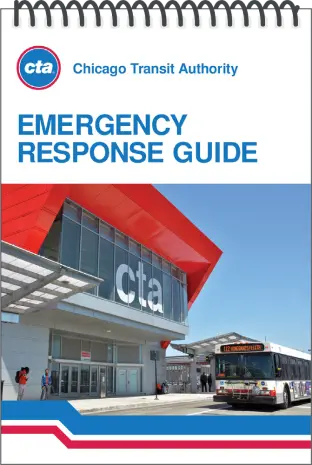
The QuickSeries Active Shooter Response Pocket Guide provides employees with portable, durable references they can keep at their desks, in vehicles, or carry personally. These laminated guides feature clear graphics illustrating run, hide, fight concepts, step-by-step response procedures, and guidance on interacting with law enforcement after incidents.
The compact format ensures materials are always accessible—critical during high-stress situations when people need quick reminders of trained procedures. Unlike training presentations that people may partially forget or digital resources requiring device access, pocket guides provide immediate physical references exactly when needed.
Content covers not only individual response but also how to help others, how to report suspicious behaviors that may prevent incidents, and how to support affected colleagues after traumatic events. Comprehensive guides address the full incident lifecycle from prevention through response to recovery.
Visual Workplace Displays
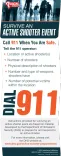
Posters placed strategically in workplaces serve as regular reminders of active shooter response procedures. Break rooms, entryways, restrooms, and other common areas provide high-visibility locations where employees regularly encounter safety messaging.
Effective posters use clear graphics, minimal text, and bold colors that attract attention while conveying serious subject matter appropriately. QuickSeries posters feature infographic-style designs that communicate complex emergency procedures in easily scannable formats employees can absorb quickly during routine facility use.
Visual displays should include facility-specific information: emergency contact numbers, rally point locations, and any unique procedures specific to your organization's emergency response plan. Custom printing allows incorporation of this site-specific information while maintaining professional design and evidence-based response guidance.
Digital Distribution Through Mobile Apps
The QuickSeries QuickConnect app platform enables organizations to distribute active shooter preparedness resources digitally, ensuring employees have access via smartphones and tablets. Digital distribution offers advantages including immediate updates when procedures change, push notifications reminding employees about upcoming training or exercises, and interactive elements like video demonstrations or scenario-based learning modules.
Mobile access is particularly valuable for organizations with remote workers, field personnel, or employees who travel regularly. These individuals may not have easy access to physical materials posted at facility locations but can access app-based resources from anywhere.
Digital platforms also facilitate tracking of employee engagement with preparedness materials—valuable data for demonstrating program participation and identifying individuals who may need additional training or resources.
Building Comprehensive Violence Prevention Programs
Active shooter preparedness represents one component of broader workplace violence prevention. Comprehensive programs address multiple aspects:
Threat Assessment and Behavioral Intervention
Many active shooter incidents involve attackers who exhibited concerning behaviors prior to attacks. Employees trained to recognize warning signs and provided clear reporting mechanisms can help identify potential threats before they escalate to violence.
Materials addressing the "pathway to violence" help employees understand behavioral indicators that, while not definitive predictors, warrant reporting to appropriate personnel. These might include violent communications, escalating workplace conflicts, concerning social media posts, or direct threats.
Organizations need clear processes for assessing reported concerns, intervening with troubled individuals when appropriate, and taking protective actions when necessary. Threat assessment teams typically include human resources, security, legal counsel, and mental health professionals who can collectively evaluate concerning behaviors and determine appropriate responses.
Physical Security Measures
While training and education are essential, physical security enhancements provide additional protective layers. Access control systems, surveillance cameras, panic buttons, and hardened entry points all contribute to safer facilities.
Security measures should balance protection with maintaining welcoming, accessible environments. Schools, government offices, and businesses serving the public must secure facilities without creating fortress-like atmospheres that undermine organizational missions. Well-designed security integrates protective measures seamlessly into facility operations.
Regular Training and Exercises
One-time active shooter training provides limited long-term value. Organizations should conduct regular refresher training, tabletop exercises, and full-scale drills that allow employees to practice response procedures.
Exercises should vary in scope and complexity: tabletop discussions help decision-makers work through response protocols, functional exercises test specific capabilities like emergency communications or evacuation procedures, and full-scale drills involve all personnel responding as they would during actual incidents.
After-action reviews following exercises identify areas for improvement, clarify confusion about procedures, and validate that response plans work as intended. These reviews drive continuous improvement in preparedness programs.
Coordinating With Law Enforcement
Effective active shooter preparedness requires strong partnerships between organizations and local law enforcement agencies. Police departments can provide valuable services including facility security assessments, customized training programs, and coordination on response procedures.
Organizations should ensure law enforcement has current facility information: floor plans, access control details, locations of potential victims during different times of day, and contact information for facility managers who can provide building access or information during emergencies.
Some law enforcement agencies offer training programs where officers conduct simulated active shooter scenarios at your facility, helping employees practice response procedures in realistic settings. These exercises, while intense, provide invaluable experience that better prepares people for actual emergencies.
Supporting Employees After Traumatic Events
Organizations must plan not only for prevention and response but also for recovery after workplace violence incidents. Employees who survive active shooter events or other workplace violence often experience significant psychological trauma requiring professional support.
Critical incident stress management, employee assistance programs, and access to mental health professionals help affected employees process trauma and begin healing. Organizations should make these resources readily available, communicated clearly, and offered proactively rather than waiting for employees to request help.
Materials addressing trauma responses, recovery, and resilience help both affected employees and their colleagues understand normal reactions to abnormal events. When organizations normalize help-seeking and provide robust support systems, employees are more likely to access needed assistance.
Taking Action This April
Workplace Violence Awareness Month and World Day for Safety and Health at Work provide ideal launching points for organizations to implement or enhance active shooter preparedness programs. Start by assessing current capabilities: What training have employees received? When was it last updated? Do employees have ready access to reference materials? Have you conducted recent drills or exercises?
Partner with experienced providers who understand both emergency preparedness best practices and the unique needs of your organization type. QuickSeries has worked with federal agencies, law enforcement, educational institutions, healthcare providers, and businesses nationwide to implement comprehensive preparedness programs.
Our Active Shooter Response Pocket Guide, developed in consultation with law enforcement and emergency management experts, provides clear, actionable guidance employees can reference during high-stress situations. Custom print solutions allow incorporation of your facility-specific procedures, contact information, and organizational branding.
The QuickConnect app offers digital distribution ensuring all employees—including remote workers and field personnel—have access to critical safety information. Federal agencies benefit from GSA Schedule procurement streamlining the acquisition process while ensuring compliance with government purchasing requirements.
Conclusion
Workplace violence prevention, including active shooter preparedness, is no longer optional—it's a fundamental responsibility organizations owe their employees. April's observances provide focused opportunities to assess preparedness, enhance training programs, and ensure everyone knows how to respond during violent incidents.
The resources you provide, training you conduct, and culture you foster directly impact your organization's readiness for the unthinkable. While we hope no organization ever faces an active shooter incident, preparation ensures that if such an event occurs, employees have the knowledge, tools, and mental preparation to respond effectively—potentially saving lives.
Visit QuickSeries.com to explore our comprehensive range of workplace violence prevention resources including active shooter pocket guides, emergency response posters, incident command system materials, and digital distribution solutions. Request samples to evaluate materials, or contact our team to discuss custom solutions incorporating your organization's specific needs and procedures. Together, we can create safer workplaces where violence prevention and preparedness are integrated into organizational culture.