















Summary
- Understanding the Scope of Child Abuse
- Military Families and Child Protection
- Youth Organizations and Child Safety
- Educational Institutions and Child Protection
- Community-Wide Prevention Strategies
- Resources for Effective Prevention Programs
- Implementing April Prevention Campaigns
- Measuring Prevention Program Impact
- Accessing Quality Prevention Resources
- Conclusion
April is Child Abuse Prevention Month, a critical time for military family support programs, youth organizations, schools, and community agencies to strengthen child protection efforts and ensure every child grows up in a safe, nurturing environment. As organizations committed to serving children and families prepare for this important observance, having comprehensive educational resources becomes essential for effective prevention, recognition, and response to child maltreatment.
Understanding the Scope of Child Abuse
Child abuse and neglect affect children across all demographics, communities, and socioeconomic backgrounds. The impact of maltreatment extends far beyond immediate physical harm, affecting children's brain development, mental health, educational achievement, and long-term life outcomes. Understanding the scope and consequences of child abuse underscores why prevention efforts matter critically for individual children and society broadly.
Child maltreatment takes multiple forms: physical abuse involving intentional injury to children, sexual abuse including any sexual activity with children, emotional abuse causing psychological harm through persistent patterns of criticism or rejection, and neglect representing failure to meet children's basic physical or emotional needs. Many abused children experience multiple maltreatment types simultaneously, compounding trauma and complicating recovery.
Prevention-focused approaches recognize that stopping abuse before it starts proves more effective than interventions after maltreatment occurs. While responding appropriately to abuse cases remains critically important, creating environments and support systems that prevent abuse from occurring in the first place protects more children and avoids trauma that can affect individuals throughout their lives.
Military Families and Child Protection
Military-connected children face unique circumstances affecting both abuse risk factors and available protective resources. Understanding these specific contexts helps military family support programs develop effective prevention strategies addressing military family needs.
Deployment Stress and Family Dynamics
Military deployments create significant family stressors that can increase child abuse risk if not properly managed. Remaining caregivers shoulder increased responsibilities managing households alone, children experience anxiety about deployed parents' safety, and family routines undergo substantial disruption. These stressors don't cause abuse directly-the vast majority of military families navigate deployment successfully without maltreatment-but they represent risk factors requiring attention and support.
Military installations and family support programs must provide robust resources helping families cope with deployment stress: respite care allowing caregivers breaks from constant parenting demands, counseling services addressing anxiety or behavioral changes in children, practical assistance with household tasks, and social support connecting families with peers navigating similar challenges.
Child Abuse Prevention Month provides opportunities to remind military families about available support resources and normalize help-seeking when family stress becomes overwhelming. Educational materials should emphasize that accessing support demonstrates strength and responsible parenting rather than weakness or failure.
Frequent Relocations and Community Connections
Military families relocate frequently, often moving across the country or overseas every few years. These moves disrupt children's educational continuity, separate families from extended family support networks, and require building new community connections in unfamiliar locations. While many military children demonstrate remarkable resilience navigating these transitions, frequent moves can strain family resources and social connections that normally serve as protective factors against abuse.
Military child abuse prevention programs should address how frequent relocations affect families: helping newly arrived families quickly connect with installation resources, facilitating peer support networks where military-connected families support each other, and ensuring children transitioning into new schools receive appropriate monitoring for adjustment difficulties that might indicate family stress.
Access to Specialized Services
Military families have access to specialized support services through installation family support programs, military child and youth programs, and Department of Defense-funded services designed specifically for military-connected populations. However, service awareness varies-newly joined families may not know what resources exist, geographically dispersed families living away from installations might struggle accessing military-specific services, and some families hesitate using military resources due to stigma concerns or fears about career impacts.
Child Abuse Prevention Month campaigns on military installations should prominently feature available child protection resources: Family Advocacy Program services providing prevention education and intervention support, New Parent Support Program offering home visiting for families with new babies, Military OneSource providing confidential counseling and resource referrals, and installation child care programs maintaining high safety standards and trained staff. Ensuring military families know these resources exist and how to access them increases protective factors for military-connected children.
Youth Organizations and Child Safety
Youth-serving organizations including Boys & Girls Clubs, faith-based youth groups, sports programs, and community centers play vital roles in children's lives while carrying significant responsibility for maintaining child safety within their programs.
Implementing Comprehensive Safety Policies
Organizations serving children must maintain robust safety policies addressing all aspects of child protection: thorough background screening for all staff and volunteers with access to children, clear supervision policies ensuring children are never alone with adults in isolated settings, training requirements for all personnel interacting with children, and well-defined reporting procedures when abuse is suspected or disclosed.
Many well-intentioned youth organizations operate with informal structures that may not include formal safety policies. Child Abuse Prevention Month provides opportunities for these organizations to assess current practices, identify gaps in child protection procedures, and implement comprehensive policies ensuring children's safety. QuickSeries materials can support these efforts by providing clear, accessible guidance on child protection best practices suitable for organizations with limited specialized child safety expertise.
Training Staff and Volunteers
Every adult working with children-paid staff, volunteers, coaches, mentors-needs training on recognizing abuse signs, responding appropriately when children disclose maltreatment, and understanding mandatory reporting obligations. This training protects children by ensuring concerning situations are recognized and reported while also protecting organizations and personnel through clear guidance about appropriate responses.
Training must address practical challenges youth organization personnel face: distinguishing normal childhood injuries from abuse indicators, responding supportively when children make disclosures without conducting interrogations that could compromise investigations, maintaining confidentiality appropriately while fulfilling reporting obligations, and managing their own emotional responses to abuse situations.
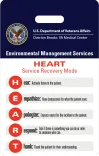
Pocket guides summarizing key information about abuse recognition, reporting procedures, and appropriate responses serve as valuable quick references complementing formal training. When staff or volunteers observe concerning situations or receive disclosures, having immediate access to procedural guidance helps ensure appropriate, timely responses that protect children and preserve evidence for investigations.
Creating Child-Centered Environments
Youth programs should consciously create environments where children feel safe, respected, and comfortable disclosing concerns. This includes establishing clear behavioral expectations for all participants, teaching children about body autonomy and their right to refuse uncomfortable touch, creating multiple pathways for children to report concerns, and ensuring visible adult supervision at all program activities.
Environmental design contributes to child safety: eliminating isolated areas where adults might be alone with children, ensuring bathroom and changing areas can be monitored without compromising privacy, and maintaining open sightlines throughout program spaces. These physical environment considerations complement policy and training efforts in comprehensive child protection strategies.
Educational Institutions and Child Protection
Schools occupy unique positions in child protection systems. Teachers and school staff see children daily, providing opportunities to observe behavioral changes or physical indicators suggesting abuse. Schools also serve as primary settings for prevention education teaching children about safety, appropriate touch, and help-seeking when threatened or harmed.
Mandatory Reporting in Educational Settings
All states designate school personnel as mandatory reporters required by law to report suspected child abuse to child protective services or law enforcement. Despite this legal obligation, many educators feel uncertain about reporting thresholds, worry about false accusations disrupting families unnecessarily, or hesitate reporting colleagues or community members they know personally.
Child Abuse Prevention Month provides opportunities for schools to conduct refresher training ensuring all personnel understand reporting obligations, know how to make reports, and feel confident that reporting suspicions protects children even when investigations ultimately determine abuse didn't occur. Training should emphasize that educators' role involves reporting concerns-not investigating or determining whether abuse occurred-and that reporting suspected abuse is both legal protection and ethical obligation.
Educational materials addressing mandatory reporting should be clear, concise, and accessible. QuickSeries pocket guides on mandatory reporting can be kept in teachers' desk drawers, providing quick references about what indicators warrant reports, how to make reports properly, and what happens after reports are filed. Having these references readily available reduces barriers to reporting and ensures consistent response across school personnel.
Prevention Education for Students
Schools deliver age-appropriate prevention education teaching children personal safety concepts: understanding body autonomy, distinguishing safe and unsafe touch, recognizing that adults shouldn't ask children to keep secrets about touch, and knowing how to seek help from trusted adults when something feels wrong or unsafe.
Effective prevention education requires balancing safety teaching with maintaining children's sense of security and trust in adults. Programs should avoid frightening children or creating unnecessary anxiety about adult interactions while providing concrete information children need to recognize unsafe situations and respond appropriately. Messages should emphasize that most adults care about children's safety, while acknowledging that some adults make unsafe choices requiring children to seek help.
Prevention curricula should address diverse family structures, cultural contexts, and children's developmental levels. Materials must be inclusive of all children while respecting that families have different values and comfort levels regarding sexuality education and body safety discussions.
Supporting Children Affected by Abuse
Schools inevitably serve children who have experienced abuse, whether ongoing situations requiring protective interventions or past maltreatment affecting children's current functioning. School personnel need training on trauma-informed approaches helping abused children succeed educationally while receiving appropriate support services.
Trauma-informed education recognizes that child abuse affects learning, behavior, emotional regulation, and peer relationships. Teachers understanding trauma can implement accommodations helping affected children succeed: providing safe, predictable classroom environments, offering choices when possible to restore children's sense of control, and connecting children with school counselors or community mental health services for specialized trauma treatment.
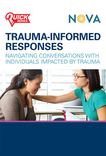
QuickSeries materials on trauma-informed responses provide school personnel with accessible guidance on supporting trauma-affected children. These resources help educators distinguish trauma-related behaviors from intentional misbehavior, implement appropriate support strategies, and understand their role within broader systems supporting children recovering from maltreatment.
Community-Wide Prevention Strategies
Effective child abuse prevention extends beyond individual organizations to encompass community-wide approaches addressing risk factors and strengthening protective factors at multiple ecological levels.
Strengthening Family Supports
Many families at risk for child maltreatment struggle with concrete challenges that, if addressed, could prevent abuse: inadequate income forcing impossible choices between necessities, lack of affordable child care creating overwhelming stress for working parents, parental mental health or substance abuse issues affecting caregiving capacity, and social isolation leaving families without support when stress becomes overwhelming.
Community prevention strategies address these practical challenges through economic supports helping families meet basic needs, accessible child care and early childhood programs, mental health and substance abuse treatment, and social connection opportunities reducing isolation. When families receive support addressing underlying stressors, children's risk for maltreatment decreases substantially.
Child Abuse Prevention Month campaigns can highlight community resources supporting families: emergency financial assistance programs, food banks and nutrition programs, mental health services with sliding fee scales, and parent support groups providing social connection and practical parenting assistance. Making information about these resources widely available helps families access support before stress escalates to child maltreatment.
Building Community Awareness
Prevention requires community-wide awareness that child protection is everyone's responsibility. Neighbors, family members, coaches, faith leaders, and community members all play roles in supporting families and recognizing when children may need help. Building this collective responsibility culture requires ongoing public education about child abuse prevention, recognition, and community response.
Public awareness campaigns during April should address common myths preventing appropriate responses: that abuse only occurs in certain types of families, that strangers pose greater threats than family members or trusted community members, or that children would clearly disclose abuse if it were occurring. Dispelling these myths helps community members recognize abuse situations and respond appropriately rather than dismissing concerns based on misconceptions.
Educational materials should be accessible across diverse community populations: available in languages communities speak, culturally appropriate for diverse populations, and distributed through locations families naturally access including schools, libraries, pediatric clinics, faith organizations, and community centers.
Coordinating Professional Responses
Child protection requires coordination among multiple systems: child protective services investigating abuse reports, law enforcement handling criminal aspects, medical professionals examining injured children, mental health providers treating trauma, courts making custody and protection decisions, and schools supporting children's educational needs. When these systems coordinate effectively, children receive comprehensive protection and support while families access needed services.
Child Abuse Prevention Month provides opportunities to strengthen multidisciplinary coordination through training bringing together professionals from different systems, protocol reviews ensuring clear communication pathways, and relationship building among professionals who will collaborate on cases. These coordination efforts ultimately translate to better outcomes for children and families served by community child protection systems.
Resources for Effective Prevention Programs
Organizations implementing Child Abuse Prevention Month programming need diverse resources addressing different aspects of prevention, recognition, and response:
Educational Pocket Guides
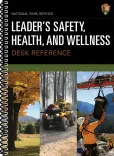
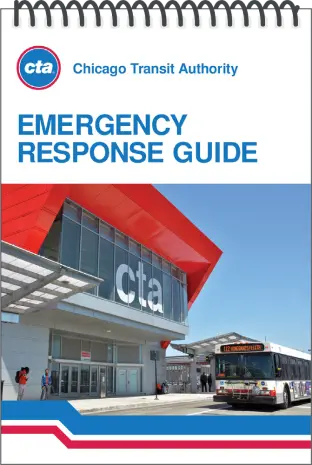
QuickSeries offers pocket guides addressing multiple child protection topics: recognizing physical and behavioral indicators of different abuse types, understanding mandatory reporting obligations and procedures, implementing trauma-informed care approaches, and supporting families to prevent maltreatment. The compact, durable format makes these guides suitable for diverse environments where child protection professionals work-school classrooms, youth program facilities, military family support offices, and community service agencies.
Pocket guides serve multiple functions: training supplements providing key information in accessible quick-reference format, desk references personnel can consult when encountering situations requiring immediate guidance, and take-home materials individuals can review privately to reinforce training concepts. The laminated construction ensures guides withstand regular use, remaining useful resources over extended periods rather than disposable materials discarded after single use.
Posters and Visual Awareness Materials
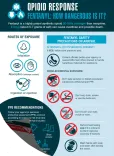
Visual displays placed in strategic locations keep child protection messaging visible throughout communities. Schools can display posters in staff areas reminding educators about abuse indicators and reporting procedures. Youth organizations can post materials in volunteer areas highlighting supervision policies and safety protocols. Community centers can feature awareness posters in family service areas connecting families with support resources.
Effective posters use clear graphics, minimal text, and design approaches that communicate serious subjects appropriately without causing unnecessary alarm. Visual materials should include contact information for relevant resources: child abuse hotline numbers, local child protective services, mental health crisis services, and family support organizations.
Digital Resource Distribution
The QuickSeries QuickConnect app enables organizations to distribute child protection resources digitally, ensuring personnel have smartphone or tablet access to current information. Digital distribution offers advantages including real-time content updates when policies or contact information changes, interactive elements like scenario-based training modules, and usage tracking helping organizations assess which resources receive most engagement.
For military installations with mobile populations, digital resource distribution ensures service members and families can access child protection information regardless of duty location. For schools and community organizations, app-based distribution complements printed materials by providing alternative access formats accommodating different learning preferences.
Customized Materials for Specific Organizations
QuickSeries custom print solutions allow organizations to incorporate specific information into professionally developed educational content: local reporting hotlines and procedures, organization-specific policies and protocols, and regional resources available in particular communities. This customization ensures materials are immediately relevant to personnel and families receiving them while maintaining quality content developed by subject matter experts in child protection.
Customization proves particularly valuable for military installations wanting materials reflecting military family contexts and military-specific resources, school districts needing materials addressing district policies and local service providers, and youth organizations requiring guidance tailored to their specific program structures and activities.
Implementing April Prevention Campaigns
Organizations should approach Child Abuse Prevention Month with comprehensive planning incorporating diverse activities throughout April:
Week 1: Awareness and Education Launch
Begin the month with activities establishing prevention priorities and introducing key messages. Distribute educational materials broadly ensuring all personnel, volunteers, families, and community members receive child protection information. Hold kickoff events featuring leadership speakers emphasizing organizational commitment to child safety.
For military installations, opening activities might include commander remarks about child protection priorities, Family Advocacy Program information tables at high-traffic locations, and distribution of pocket guides through unit formations. For schools, launch activities could include staff professional development refreshing mandatory reporting knowledge, parent newsletters highlighting prevention topics, and age-appropriate classroom discussions about personal safety.
Week 2: Professional Training and Skill Development
Focus the second week on building knowledge and skills among professionals and volunteers working with children. Conduct mandatory reporter training for personnel needing updated information about reporting obligations. Offer specialized workshops addressing specific populations-recognizing abuse in military families, supporting trauma-affected students, implementing safety policies in youth programs.
Training should incorporate practical elements: case study discussions allowing participants to apply knowledge to realistic scenarios, skill practice for responding to disclosures, and guidance addressing common questions or concerns personnel raise about child protection responsibilities.
Week 3: Family Support and Community Engagement
Dedicate the third week to family-focused activities and community engagement. Offer parenting workshops addressing positive discipline, stress management, and child development. Provide information about community resources supporting families: emergency assistance, mental health services, child care options, and parent support groups.
Community events might include family fun activities promoting positive parent-child interaction, information fairs connecting families with service providers, or awareness walks bringing community members together around child protection themes. These community-building activities strengthen protective factors while raising prevention awareness.
Week 4: Sustaining Commitment Beyond April
Use the month's final week emphasizing that child protection is ongoing responsibility extending far beyond April's concentrated focus. Reinforce messages that preventing abuse requires sustained attention, supported families need continuing access to resources, and child safety remains priority throughout the year.
Provide resources individuals can reference after April ends-pocket guides retained for ongoing consultation, saved contact information for reporting and support services, and reminder systems ensuring periodic review of child protection policies and practices. Emphasize that anyone concerned about children's safety can reach out to appropriate resources any time, not only during April's awareness campaign.
Measuring Prevention Program Impact
Organizations should assess Child Abuse Prevention Month effectiveness through multiple approaches:
Track participation numbers and resource distribution. How many people attended training sessions? How many educational materials were distributed? What was reach of awareness activities? Basic participation metrics indicate campaign scope and engagement levels.
Assess knowledge gains through pre- and post-training surveys. Did participants learn new information about abuse recognition, reporting, or prevention? Can they correctly identify abuse indicators and reporting procedures? Knowledge assessments determine whether educational objectives were achieved.
Monitor reporting patterns and help-seeking behaviors. Did more people contact child protective services or family support programs during or after prevention campaigns? Increased reporting may indicate improved awareness and confidence in recognition and reporting rather than increased abuse incidence.
Evaluate organizational policy and practice changes. Did organizations implement new safety policies, strengthen existing procedures, or improve coordination with community partners? Systemic improvements represent lasting prevention impacts extending beyond April's awareness activities.
Accessing Quality Prevention Resources
Organizations preparing Child Abuse Prevention Month campaigns should partner with experienced providers offering evidence-based resources designed for child-serving contexts. QuickSeries has extensive experience developing educational materials for military family programs, schools, youth organizations, and community agencies committed to child protection.
Our resources reflect current best practices in child abuse prevention, mandatory reporting, and trauma-informed care while being accessible to diverse audiences including professionals, volunteers, and families. Federal agencies and military organizations can access materials through GSA Schedule procurement, streamlining purchasing while ensuring quality standards.
Custom solutions incorporate organization-specific information while maintaining professionally developed content created by subject matter experts in child protection. Whether you need materials for military installation Family Advocacy Programs, school-based prevention initiatives, or community youth organization safety programs, QuickSeries can develop resources meeting your specific needs.
Conclusion
Child Abuse Prevention Month 2026 represents critical opportunities to strengthen child protection in military communities, schools, youth organizations, and throughout society. Effective prevention requires comprehensive approaches addressing multiple levels—educating professionals about recognition and reporting, supporting families to prevent maltreatment, teaching children personal safety concepts, and building community cultures recognizing child protection as shared responsibility.
The resources you provide during April-training materials preparing personnel for appropriate responses, educational guides families can reference when seeking support, posters keeping child safety visible in community spaces-contribute to creating safer environments where all children can grow and thrive free from abuse.
Begin planning your Child Abuse Prevention Month campaign now, identifying the resources, training, and support systems that will make April impactful for child protection in your organization and community. Visit QuickSeries.com to explore our comprehensive child protection resources including pocket guides, training materials, posters, and digital distribution solutions. Contact our team to discuss custom solutions addressing your organization's specific mission and populations served, or request samples to evaluate materials before implementing your prevention campaign. Together, we can strengthen protections for children and support families in military communities and throughout society.