













Summary
- The Significance of National Safety Month's 30th Anniversary
- Understanding 2026 National Safety Month Themes
- Industry-Specific Safety Considerations
- Comprehensive Safety Resource Planning
- Developing Effective National Safety Month Campaigns
- Resources for Safety Professionals
- Measuring Safety Program Success
- Conclusion
June 2026 marks the 30th Anniversary of National Safety Month, the annual campaign established by the National Safety Council to reduce leading causes of injury and death in workplaces, on roadways, and in homes and communities. As this milestone anniversary approaches, safety professionals, compliance officers, and organizational leaders should begin planning now to maximize the impact of June's focused safety initiatives. Strategic preparation during April positions organizations to launch comprehensive campaigns when National Safety Month arrives, ensuring employees receive quality safety education that protects lives and reduces workplace injuries.
The Significance of National Safety Month's 30th Anniversary
Since 1996, when the National Safety Council first designated June as National Safety Month, this annual observance has evolved into a cornerstone event for workplace safety professionals nationwide. The 30th anniversary represents not just three decades of awareness campaigns but tangible progress in workplace safety: significant reductions in fatal occupational injuries, improved safety technologies protecting workers, stronger regulatory standards ensuring safer work environments, and cultural shifts recognizing that preventable injuries are unacceptable rather than inevitable costs of doing business.
Despite substantial progress, workplace injuries remain far too common. Thousands of workers die annually from preventable occupational injuries, millions more suffer non-fatal injuries requiring medical treatment or resulting in lost work time, and countless near-misses suggest systemic hazards that could produce serious injuries or fatalities if left unaddressed. National Safety Month's continued relevance stems from ongoing needs to maintain attention on workplace safety, address emerging hazards as workplaces and technologies evolve, and ensure new workers entering the workforce receive comprehensive safety education.
The 30th anniversary provides unique opportunities for organizations to reflect on safety progress while recommitting to continuous improvement. Historical perspectives showing how workplace safety has evolved over three decades can inspire continued advancement, recognition of long-tenured safety professionals who have dedicated careers to protecting workers, and renewed energy for addressing persistent challenges that remain despite decades of effort.
Understanding 2026 National Safety Month Themes
Each year, National Safety Month features weekly themes addressing different safety priorities. While the National Safety Council typically announces specific themes closer to June, organizations can anticipate focus areas based on perennial safety concerns and emerging workplace trends:
Continuous Improvement in Safety Programs
Effective workplace safety requires sustained commitment to improving policies, procedures, and practices rather than maintaining static programs that become outdated as workplaces evolve. Continuous improvement involves regular hazard assessments identifying new risks, near-miss reporting systems capturing opportunities for preventive interventions, employee engagement soliciting frontline worker input about safety concerns, and data analysis revealing patterns suggesting systemic issues requiring attention.
Organizations preparing for National Safety Month should assess current safety programs: When were hazard assessments last updated? Do near-miss reporting systems exist and are employees comfortable using them? How do organizations incorporate employee safety suggestions? What data drives safety decision-making? Honest evaluation reveals improvement opportunities that June campaigns can address.
Employee Engagement and Safety Culture
Technical safety measures-machine guards, fall protection equipment, personal protective gear-provide essential protections but remain insufficient without engaged employees who consistently follow safety procedures and actively identify hazards. Building safety cultures where workers take personal responsibility for their own safety and colleagues' wellbeing represents a critical organizational priority.
Employee engagement in safety requires multiple elements: visible leadership commitment demonstrated through actions not just words, worker participation in safety program development and hazard identification, open communication channels where employees can raise safety concerns without fear of retaliation, and recognition programs acknowledging safe behaviors and safety contributions. Organizations should prepare National Safety Month activities specifically focused on strengthening employee engagement with safety initiatives.
Roadway and Transportation Safety
Vehicle crashes represent leading causes of workplace fatalities, whether workers are professional drivers or simply traveling between work sites. Roadway safety encompasses multiple considerations: vehicle maintenance ensuring safe operating condition, driver qualifications and training, policies prohibiting distracted or impaired driving, fatigue management for workers driving long distances, and defensive driving techniques helping workers avoid crashes caused by others' dangerous behaviors.
Organizations with significant driving-related work should emphasize roadway safety during National Safety Month: reviewing fleet safety policies, conducting defensive driver training, implementing technology solutions like dash cams or telematics tracking risky driving behaviors, and ensuring vehicle maintenance programs prevent mechanical failures causing crashes.
Worker Wellbeing and Mental Health
Contemporary workplace safety increasingly recognizes that protecting workers requires addressing not just physical hazards but mental health and overall wellbeing. Workplace stress, fatigue, substance abuse, and mental health conditions all affect safety by reducing attention, impairing judgment, and decreasing workers' capacity to respond appropriately to hazardous situations.
Comprehensive safety programs address wellbeing through fatigue management policies ensuring adequate rest, mental health resources reducing stigma and providing support, substance abuse prevention and treatment programs, and workplace cultures valuing workers' overall health not just absence of injuries. National Safety Month provides opportunities to integrate wellbeing messaging with traditional safety topics, emphasizing connections between worker health and workplace safety.
Industry-Specific Safety Considerations
While foundational safety principles apply across industries, effective National Safety Month campaigns address sector-specific hazards and contexts:
Construction Industry Safety
Construction workers face some of the highest workplace injury and fatality risks. Falls from elevation, being struck by objects or equipment, electrocutions, and caught-in/between hazards (OSHA's "Focus Four") account for majority of construction deaths. Construction safety campaigns must address these persistent hazards through fall protection training and equipment, struck-by prevention including proper equipment operation and load securement, electrical safety for workers around power lines or electrical systems, and excavation safety preventing trench collapses.
QuickSeries offers pocket guides specifically addressing construction hazards: fall prevention, electrical safety, excavation and trenching safety, and personal protective equipment requirements. The durable, water-resistant construction withstands jobsite conditions where materials face exposure to weather, dust, and rough handling. Compact size allows construction workers to carry guides in tool belts or pockets, ensuring ready reference access when needed.
Construction companies should plan National Safety Month activities appropriate for jobsite contexts: safety stand-downs pausing work for focused safety discussions, toolbox talks addressing specific hazards, equipment inspections ensuring proper condition, and recognition programs highlighting crews with strong safety performance.
Manufacturing and Industrial Safety
Manufacturing environments present diverse hazards: machinery with moving parts that can catch or crush workers, chemical exposures requiring proper handling and personal protective equipment, noise levels causing hearing damage without hearing protection, and repetitive motion or awkward postures producing musculoskeletal disorders. Manufacturing safety campaigns must address this hazard diversity through comprehensive approaches.
Machine guarding represents critical manufacturing safety priority. All machinery with dangerous moving parts must have appropriate guards preventing worker contact, and workers must understand that bypassing or removing guards creates unacceptable risks. National Safety Month provides opportunities for machine guarding audits ensuring compliance, training refreshing workers' knowledge about guard requirements, and maintenance programs keeping guards functional.
Chemical safety requires proper hazard communication training ensuring workers understand chemicals they work with, appropriate personal protective equipment for chemical handling, emergency response procedures for spills or exposures, and regular safety data sheet reviews confirming current hazard information.
Healthcare workers face unique injury risks: patient handling injuries from lifting or moving patients, sharps injuries potentially exposing workers to bloodborne pathogens, workplace violence from patients or visitors, and slip/trip/fall hazards in fast-paced clinical environments. Healthcare safety programs must address these specific hazards while maintaining focus on patient care quality.
Patient handling safety requires safe lifting equipment and techniques, adequate staffing allowing team lifts rather than solo patient moves, and patient mobility assessments identifying those requiring special handling considerations. National Safety Month provides opportunities to refresh safe patient handling training and assess whether equipment and staffing support safe practices.
Violence prevention in healthcare demands environmental safety measures including secured access points and panic alarms, de-escalation training helping staff manage aggressive behaviors, adequate security presence, and reporting systems ensuring violence incidents receive appropriate response. Healthcare National Safety Month campaigns should emphasize that workplace violence is unacceptable regardless of healthcare settings' service missions.
Warehouse and Logistics Safety
Warehouse and logistics operations involve forklifts and powered industrial vehicles, loading dock operations, falls from elevation on mezzanines or platforms, and struck-by hazards from falling materials or moving equipment. Rapid growth in e-commerce and logistics has increased warehouse employment while intensive productivity demands may create pressures conflicting with safety.
Forklift safety represents critical warehouse priority. Only properly trained and certified operators should drive forklifts, pedestrian/forklift separation should be maintained through designated walkways, loads must be properly secured, and operator visibility must be ensured through mirrors or cameras. National Safety Month provides natural timing for forklift operator refresher training and equipment inspections.
Loading dock safety requires attention to falls from dock edges, forklift/truck separation during loading operations, and proper dock leveler use. Simple measures-guardrails preventing falls, wheel chocks preventing trucks from moving during loading, and clear communication between forklift operators and truck drivers-prevent serious injuries.
Comprehensive Safety Resource Planning
Organizations maximizing National Safety Month impact should assemble diverse resources addressing different learning preferences and workplace contexts:
Printed Safety Guides and References
Despite increasing workplace digitalization, printed safety materials remain foundational workplace safety resources. Physical materials ensure universal access regardless of technology availability or literacy, provide references that don't require device power or network connectivity, and offer formats workers can markup or annotate with personal notes reinforcing learning.
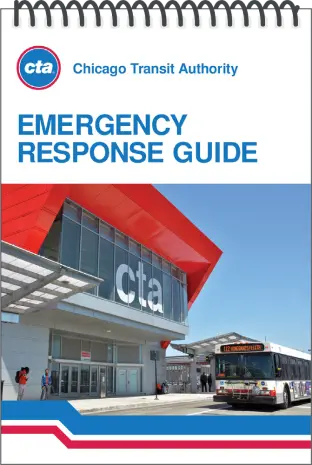
QuickSeries pocket guides deliver comprehensive safety information in portable, durable formats suitable for diverse work environments. Content addresses multiple safety topics: fall prevention for construction and maintenance workers, heat stress management for workers in hot environments, cold stress protection for outdoor winter work, electrical safety for workers around power sources, confined space entry procedures, lockout/tagout requirements for equipment maintenance, personal protective equipment selection and use, and emergency response procedures.
The laminated pocket guide construction withstands harsh work environments-construction jobsites, manufacturing facilities, outdoor work locations-where materials face exposure to weather, chemicals, oil, or rough handling. Compact size ensures workers can keep guides accessible in toolboxes, lockers, or work vehicles for ready reference when questions arise.
Safety posters placed strategically throughout workplaces keep safety messaging visible. Break rooms, entry points, near high-hazard equipment, and other high-traffic locations provide poster placement opportunities ensuring regular employee exposure to safety reminders. Effective posters use clear graphics, minimal text, and design approaches that attract attention while communicating serious safety messages appropriately.
Digital Safety Training Platforms
The QuickSeries QuickConnect app enables organizations to distribute safety content digitally, ensuring employees have smartphone or tablet access to current safety information. Digital distribution offers advantages for safety programming: real-time content updates when procedures or regulations change, interactive elements like video demonstrations or scenario-based learning, usage tracking showing which safety topics receive most attention, and push notifications reminding workers about upcoming safety training or highlighting seasonal safety concerns.
Digital platforms prove particularly valuable for organizations with geographically dispersed workforces. Construction companies with multiple jobsites, logistics companies with drivers across regions, or service organizations with field technicians can ensure consistent safety messaging through digital distribution reaching all workers regardless of physical location.
Mobile-friendly formats respect that frontline workers may access safety information from smartphones rather than desktop computers. Design ensuring readability on small screens, touch-friendly navigation, and minimal data usage for workers with limited connectivity makes safety resources genuinely accessible to those who need them most.
Customized Safety Materials
QuickSeries custom print solutions allow organizations to incorporate specific information into professionally developed safety content: company-specific policies and procedures, site-specific emergency response contacts, equipment-specific operating procedures, and regional regulatory requirements. This customization ensures materials are immediately relevant to workers receiving them while maintaining quality content developed by safety subject matter experts.
Customization proves especially valuable for large organizations wanting consistent safety messaging across multiple locations while allowing site-specific information, companies in specialized industries requiring industry-specific safety guidance, and organizations emphasizing particular safety priorities based on their historical injury patterns or identified hazards.
Federal agencies and government contractors can access QuickSeries materials through GSA Schedule procurement, streamlining purchasing processes while ensuring compliance with federal acquisition regulations. This procurement efficiency allows safety professionals to focus on program content and implementation rather than administrative purchasing complexities.
Developing Effective National Safety Month Campaigns
Organizations should approach June with strategic planning maximizing campaign effectiveness:
Pre-Campaign Preparation (April-May)
Begin assembling resources well before June: order printed materials allowing adequate delivery time, develop digital content for mobile platforms, schedule training sessions with instructors or subject matter experts, coordinate with different departments or locations ensuring organization-wide participation, and establish communication strategies reaching all workers including those on non-traditional schedules or remote locations.
Assess current safety performance identifying areas requiring focused attention. Review injury data revealing common incident types, conduct hazard assessments identifying high-risk areas or operations, survey employees about safety concerns they want addressed, and benchmark safety metrics against industry standards or past performance. Data-driven campaign planning ensures June activities address actual priority needs rather than generic safety topics.
Engage leadership in campaign planning securing visible executive support for safety initiatives. Leadership involvement signals that safety is genuine organizational priority rather than compliance obligation grudgingly fulfilled. Request leadership participation in campaign kickoff events, safety walk-throughs, or recognition activities demonstrating commitment through actions.
Week-by-Week Campaign Implementation
Structure June activities around weekly themes maintaining momentum throughout the month while allowing focused attention on different safety topics:
Week 1 - Launch and Leadership Engagement: Begin National Safety Month with high-visibility events establishing campaign priorities. Distribute safety materials ensuring all workers receive resources early in the month. Conduct leadership safety walk-throughs where executives tour facilities discussing safety with frontline workers. Hold safety kickoff meetings featuring leadership speakers emphasizing organizational safety commitment.
Week 2 - Hazard Recognition and Prevention: Focus the second week on helping workers identify workplace hazards and implement preventive measures. Conduct hazard hunts where workers systematically assess work areas identifying risks. Offer training on specific high-priority hazards identified through preparation phase data analysis. Implement or refresh near-miss reporting systems capturing close calls before they produce actual injuries.
Week 3 - Emergency Preparedness and Response: Dedicate the third week to emergency preparedness ensuring workers know how to respond during fires, medical emergencies, severe weather, or other crisis situations. Conduct emergency drills testing response procedures and evacuation routes. Review emergency action plans confirming current contact information and procedures. Inspect emergency equipment including fire extinguishers, first aid supplies, and emergency communication systems.
Week 4 - Recognition and Sustained Commitment: Use the final week recognizing safety achievements and emphasizing continued commitment beyond June. Acknowledge individuals or teams demonstrating exceptional safety performance or contributing valuable safety improvements. Review safety goals progress and establish priorities for continued advancement. Distribute summary materials highlighting key safety messages workers should remember after concentrated focus ends.
Post-Campaign Follow-Up
National Safety Month's conclusion shouldn't end safety focus. Sustain momentum through ongoing activities: monthly safety meetings maintaining regular safety discussions, periodic safety training addressing new hazards or refreshing critical topics, continuous hazard monitoring through regular inspections and near-miss reporting, and performance tracking showing safety metric trends over time.
Evaluate campaign effectiveness through multiple measures: training participation rates, material distribution quantities, employee feedback about programming quality and relevance, and subsequent injury trends indicating whether educational efforts improved safety behaviors. Use evaluation insights refining future National Safety Month campaigns and ongoing safety programming.
Resources for Safety Professionals
Safety coordinators, compliance officers, and organizational leaders planning National Safety Month campaigns need diverse resources supporting their work:
Planning Tools and Templates
Comprehensive campaign planning requires organizational tools: campaign calendars mapping weekly activities, communication templates for safety messages and announcements, training agendas providing structure for safety sessions, and evaluation forms assessing program effectiveness. While the National Safety Council provides free planning resources to organizations participating in National Safety Month, supplementary materials from safety resource providers like QuickSeries complement NSC offerings with additional options.
Regulatory Compliance Resources
National Safety Month campaigns should ensure compliance with applicable OSHA regulations and industry-specific safety standards. Materials addressing regulatory requirements help organizations meet compliance obligations while educating workers about safety rules protecting them. QuickSeries offers pocket guides on OSHA standards, regulatory compliance requirements, and inspection preparation helping organizations maintain regulatory compliance.
Industry-Specific Safety Materials
While general safety principles apply across industries, sector-specific resources address unique hazards workers actually face. Construction-specific materials address fall protection, excavation safety, and electrical hazards. Healthcare-specific resources cover patient handling, bloodborne pathogen exposure, and violence prevention. Manufacturing materials address machine guarding, lockout/tagout, and chemical safety. Industry-tailored resources ensure relevance to workers receiving them, increasing engagement and learning effectiveness.
Measuring Safety Program Success
Organizations should track National Safety Month impact through multiple metrics:
Injury rate trends comparing periods before and after campaigns indicate whether safety education produces behavior changes reducing actual injuries. While many factors influence injury rates beyond single-month campaigns, positive trends align with effective safety programming. Organizations should track both total recordable injury rates and more serious incidents including lost-time injuries, hospitalizations, and fatalities.
Training participation rates show worker engagement with safety programming. High participation suggests workers value safety education and organizational cultures support safety learning. Low participation may indicate scheduling barriers preventing attendance, worker perceptions that training lacks value, or cultural issues where safety isn't prioritized.
Hazard reporting metrics including near-miss reports and safety observations demonstrate worker engagement in proactive hazard identification. Increased reporting often indicates improved safety culture where workers feel comfortable raising concerns rather than necessarily indicating more actual hazards. Organizations should track both quantity and quality of hazard reports ensuring reporting systems capture actionable information.
Safety culture assessments through employee surveys measuring safety perceptions, attitudes, and behaviors provide insight into cultural changes that ultimately drive safety performance improvements. Questions should address whether workers believe management genuinely cares about safety, feel comfortable raising safety concerns, believe they have adequate training and equipment to work safely, and observe consistent safety rule enforcement.
Conclusion
National Safety Month's 30th Anniversary in June 2026 represents significant milestone for workplace safety professionals and opportunity for organizations to strengthen safety programs protecting workers from preventable injuries. Successful campaigns require comprehensive planning beginning well before June, diverse resources addressing different learning preferences and workplace contexts, sustained leadership commitment demonstrating that safety is genuine organizational priority, and follow-through maintaining momentum beyond June's concentrated focus.
The resources you assemble now-educational pocket guides workers carry year-round, digital platforms delivering ongoing safety content, training programs building worker skills, and leadership commitment ensuring safety receives necessary attention and resources-contribute to creating safer workplaces where injuries are prevented, workers return home healthy to their families, and organizations demonstrate authentic care for employee wellbeing.
Begin planning your National Safety Month 2026 campaign now, assessing your organization's safety priorities, assembling resources that will make June impactful, and establishing sustained strategies ensuring safety remains focus throughout the year. Visit QuickSeries.com to explore our comprehensive workplace safety resources including pocket guides, training materials, compliance references, and digital distribution platforms. Contact our team to discuss custom solutions addressing your organization's specific safety needs and regulatory environment, or request samples evaluating materials before finalizing your campaign plans. Together, we can make workplaces safer and ensure workers are protected from preventable injuries and illnesses.