







January is National Stalking Awareness Month, a time dedicated to raising awareness about a crime that often goes unnoticed, misunderstood, or minimized. Stalking affects people of all ages, genders, and backgrounds — and understanding the warning signs is a critical step toward prevention and safety.
What Is Stalking?
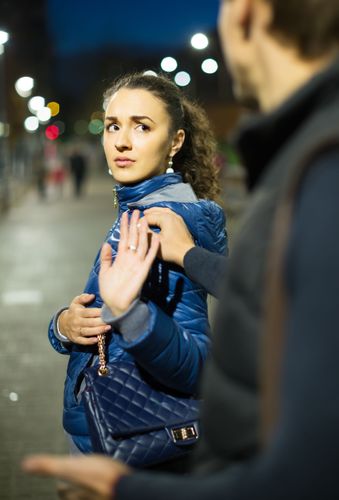
Stalking is a pattern of unwanted, fixated, or obsessive behavior that causes fear or emotional distress. It can occur in person or online and often escalates over time if not addressed.
Common stalking behaviors include:
- Repeated unwanted calls, texts, emails, or messages
- Showing up unexpectedly at work, school, or home
- Monitoring social media or using technology to track someone
- Threats, intimidation, or manipulation
- Refusing to accept the end of a relationship
Why Awareness Matters
Many victims don’t immediately recognize stalking — especially when the behavior is framed as “romantic,” “protective,” or “persistent.” Education helps individuals identify red flags early and take steps to protect themselves before the behavior escalates.
Recognizing If You or Someone You Know Is Being Stalked
The Are You Being Stalked? Trifold is a helpful educational resource that clearly outlines stalking behaviors, warning signs, and first steps to take if something feels wrong. It reinforces an important message: trust your instincts.
Staying Safe After a Breakup
Stalking often begins — or intensifies — after a relationship ends. The period following a breakup can be one of the most dangerous times for someone experiencing stalking.
The It’s Over: Breaking Up and Staying Safe Trifold provides practical guidance on setting boundaries, protecting personal information, and reducing risk during transitions.
Stalking and Campus Safety
College students face unique risks, particularly with social media use, shared living spaces, and campus accessibility. The Campus Safety Pocket Guide includes information on recognizing threatening behavior, reporting concerns, and using campus resources effectively.
What You Can Do
- Take stalking behavior seriously — even if it seems “minor”
- Document incidents and save messages or screenshots
- Adjust privacy settings on social media and devices
- Reach out to trusted friends, campus officials, or local resources
- Support awareness efforts in your community or workplace
Conclusion
National Stalking Awareness Month is about empowerment through education. By recognizing the signs, supporting victims, and sharing reliable information, we can help create safer communities where stalking behavior is identified early — and addressed responsibly.