













Summary
- The State of Heart Health in America
- Why Workplace Heart Health Matters
- Effective Heart Health Education Strategies
- Distribute Clear, Actionable Resources
- Leverage Digital Distribution Channels
- Create Visual Awareness Campaigns
- Implementing a Comprehensive Heart Health Program
- Resources for Specific Sectors
- Beyond February: Sustaining Heart Health Awareness
- Getting Started with Heart Health Education
- Conclusion
February marks American Heart Month, a critical time for organizations to prioritize cardiovascular wellness and employee health education. With heart disease remaining the leading cause of death in the United States, workplace wellness initiatives have never been more important for protecting your most valuable asset—your people.
The State of Heart Health in America
Heart disease continues to affect millions of Americans annually, with cardiovascular conditions accounting for significant workplace absences, reduced productivity, and increased healthcare costs. The good news? Many cases of heart disease are preventable through lifestyle changes, awareness, and education. American Heart Month, first proclaimed in 1964 by President Lyndon B. Johnson, provides the perfect opportunity for organizations to take meaningful action in protecting employee health.
According to recent health data, high blood pressure, high cholesterol, smoking, diabetes, obesity, and lack of physical activity are all major risk factors for heart disease. For employers, addressing these risk factors through comprehensive wellness programs can lead to healthier employees, reduced healthcare costs, and improved workplace morale.
Why Workplace Heart Health Matters
Organizations that invest in employee wellness see tangible returns. When employees understand their cardiovascular health risks and have access to preventive resources, they're better equipped to make informed health decisions. This translates into fewer sick days, lower insurance premiums, and a more engaged workforce.
For federal agencies, military organizations, and large enterprises, implementing heart health education programs isn't just good practice—it's a strategic investment in workforce readiness and operational effectiveness. Government contractors and B2B organizations also benefit from demonstrating a commitment to employee well-being, which enhances recruitment, retention, and overall company culture.
Effective Heart Health Education Strategies
Creating an impactful American Heart Month campaign requires accessible, science-based educational materials that employees can easily understand and apply to their daily lives. Here's how organizations can effectively promote cardiovascular wellness:
Distribute Clear, Actionable Resources
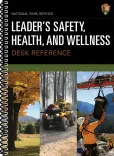
Educational materials should break down complex medical information into digestible, practical guidance. QuickSeries pocket guides on cardiovascular health provide employees with portable references they can keep at their desks or carry with them. These laminated, durable guides cover essential topics like recognizing heart attack symptoms, understanding blood pressure readings, and implementing heart-healthy lifestyle changes.
Unlike digital resources that require internet access or device compatibility, printed pocket guides ensure every employee—regardless of their technical comfort level—has immediate access to life-saving information. For organizations with field personnel, remote workers, or employees in areas with limited connectivity, physical educational materials bridge the gap in health education access.
Leverage Digital Distribution Channels
Modern workplace wellness programs benefit from a multi-channel approach. The QuickSeries QuickConnect app platform allows organizations to distribute heart health resources digitally, reaching employees on their smartphones and tablets. This mobile-first approach enables wellness coordinators to push timely reminders about heart health screenings, share educational videos, and provide interactive tools for tracking cardiovascular wellness goals.
The app's customizable workspace feature lets organizations create dedicated American Heart Month content sections, ensuring heart health information remains accessible throughout February and beyond. Push notifications can remind employees about health screenings, wellness challenges, or upcoming CPR training sessions.
Create Visual Awareness Campaigns
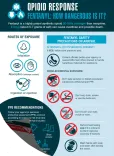
Strategic placement of educational posters in break rooms, lobbies, and common areas reinforces heart health messaging throughout your facilities. QuickSeries posters featuring infographic-style content about heart disease prevention, warning signs of heart attacks, and the importance of regular check-ups keep cardiovascular wellness top-of-mind for employees.
Visual materials should incorporate the recognizable red heart symbol associated with American Heart Month and align with national campaigns like National Wear Red Day, observed on the first Friday of February. This creates a cohesive message that employees can easily recognize and engage with.
Implementing a Comprehensive Heart Health Program
Organizations looking to make the most of American Heart Month should consider a structured approach:
Week 1: Awareness and Assessment
Launch your campaign by distributing heart health pocket guides and encouraging employees to schedule cardiovascular screenings. Many health insurance plans cover preventive care visits at no cost, making this an accessible first step. Partner with your benefits administrator or local health clinics to offer on-site blood pressure checks or cholesterol screenings.
Week 2: Education and Engagement
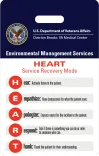
Host lunch-and-learn sessions focused on heart-healthy nutrition, stress management techniques, and the importance of physical activity. Provide employees with practical resources they can reference later, such as wallet cards with emergency response information or desk guides featuring heart-healthy recipes and exercise tips.
Week 3: Skills Development
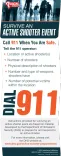
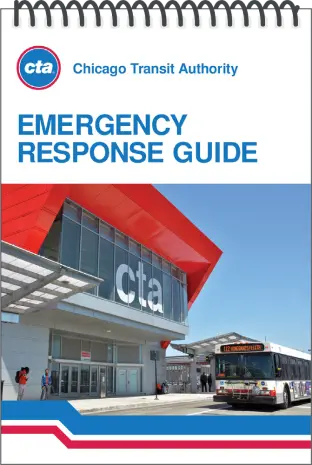
Organize CPR and AED training sessions. Knowing how to respond during a cardiac emergency can save lives, and employees who receive this training often report feeling more confident and prepared. QuickSeries materials on emergency response can supplement hands-on training, providing quick reference guides for critical situations.
Week 4: Long-Term Commitment
Emphasize that heart health isn't just a February focus—it's a year-round priority. Distribute resources that employees can continue using beyond American Heart Month, such as customized pocket guides featuring your organization's wellness program information, employee assistance program contacts, and local health resources.
Resources for Specific Sectors
Federal Agencies and Military Organizations
Government entities have unique responsibilities in promoting workforce health and readiness. QuickSeries has extensive experience working with the Department of Defense, Department of Veterans Affairs, and other federal agencies to develop customized health education materials. Military personnel face specific cardiovascular risk factors related to deployment stress, irregular schedules, and physical demands. Tailored heart health resources for military communities should address these unique challenges while providing practical guidance for maintaining cardiovascular wellness during and after service.
Healthcare Organizations
Healthcare workers experience high-stress environments and irregular hours, both of which can negatively impact heart health. Hospitals and clinics promoting American Heart Month among their own staff demonstrate organizational integrity while ensuring caregivers can practice the preventive health measures they recommend to patients. Educational materials for healthcare settings should be concise enough for busy professionals to review during brief breaks yet comprehensive enough to provide meaningful health guidance.
Corporate and Enterprise Organizations
Large corporations benefit from standardized wellness programs that can be deployed across multiple locations. QuickSeries custom print solutions allow organizations to incorporate their branding, wellness program information, and company-specific health resources into heart health materials. This creates a cohesive wellness message while ensuring materials align with existing corporate health initiatives.
Measuring Program Success
Track engagement with your American Heart Month initiatives through several key metrics:
- Participation rates in health screenings and educational sessions
- Distribution numbers for educational materials
- Employee feedback through wellness surveys
- App engagement analytics (for digital platforms)
- Health outcome improvements in follow-up assessments
Organizations that measure their wellness program effectiveness can refine their approach, allocate resources more efficiently, and demonstrate ROI to leadership stakeholders.
Beyond February: Sustaining Heart Health Awareness
While American Heart Month provides an excellent launching point, the most effective workplace wellness programs maintain focus on cardiovascular health throughout the year. Consider these strategies for sustained engagement:
Integrate heart health into your broader wellness calendar, connecting it with other health observances like National Nutrition Month in March or National Physical Fitness and Sports Month in May. Provide employees with resources that support long-term behavior change rather than short-term awareness. QuickSeries pocket guides remain relevant long after February ends, serving as ongoing references for heart-healthy living.
Establish employee wellness committees or health champion programs where engaged employees can help promote cardiovascular wellness among their peers. Peer-to-peer health promotion often resonates more effectively than top-down corporate initiatives.
Getting Started with Heart Health Education
Organizations ready to implement comprehensive American Heart Month programs should consider partnering with experienced providers who understand the unique needs of B2B and government sectors. QuickSeries offers a full range of educational materials specifically designed for workplace wellness initiatives, from pocket guides and posters to fully customized app-based solutions.
The QuickConnect platform enables organizations to create tailored content workspaces, distribute materials efficiently, and track employee engagement—all through a single, user-friendly interface. For organizations serving diverse populations, materials are available covering a wide range of health topics, ensuring your wellness program can address multiple health priorities beyond cardiovascular wellness.
Federal agencies can take advantage of QuickSeries' GSA Schedule, streamlining the procurement process for educational materials and digital wellness solutions. This ensures compliance with federal purchasing requirements while accessing high-quality, evidence-based health education resources.
Conclusion
American Heart Month represents more than an awareness campaign—it's an opportunity to implement tangible changes that protect employee health and strengthen organizational culture. By providing accessible, actionable educational resources through both print and digital channels, organizations demonstrate their commitment to employee well-being while taking concrete steps to reduce the impact of cardiovascular disease.
Whether you're a federal agency, military organization, healthcare provider, or enterprise corporation, investing in heart health education this February can yield benefits that last throughout the year and beyond. The resources you provide today could be the information that helps an employee recognize warning signs, make healthier lifestyle choices, or even save a life during a cardiac emergency.
Start planning your American Heart Month initiatives now, and equip your workforce with the knowledge and tools they need for better cardiovascular health. Visit QuickSeries.com to explore our comprehensive range of workplace wellness resources, or contact our team to discuss custom solutions tailored to your organization's specific needs.