










Summary
- Understanding SAAPM's Critical Mission
- Why April Preparedness Matters Now
- Core Components of Effective SAAPM Programs
- Accessible Educational Resources
- Trauma-Informed Response Training
- Prevention Through Social Fitness
- Resources for Military Service Branches
- Army SAPR Programs
- Navy and Marine Corps Resources
- Air Force and Space Force Prevention Programs
- Coast Guard Programs
- Federal Agency SAPR Implementation
- Law Enforcement Agencies
- Homeland Security and Emergency Management
- Other Federal Agencies
- Digital Solutions for Modern SAPR Programs
- Creating Comprehensive SAAPM Campaigns
- Measuring SAAPM Effectiveness
- Accessing Quality SAPR Resources
- Conclusion
April marks Sexual Assault Awareness and Prevention Month, a critical observance for military organizations and federal agencies committed to eliminating sexual violence and supporting survivors. As the Department of Defense and federal agencies prepare for the 2026 SAAPM campaign, having comprehensive, accessible resources is essential for effective prevention and response programs.
Understanding SAAPM's Critical Mission
Sexual Assault Awareness and Prevention Month represents more than an annual campaign—it's a sustained commitment to creating safe environments where service members, federal employees, and their families can work without the threat of sexual violence. The Department of Defense has observed SAAPM since 2012, with each year bringing renewed focus on prevention, reporting, and advocacy.
The ongoing theme emphasizes that every individual has a role in eliminating sexual assault, regardless of rank, position, or specialty. Prevention begins with a culture of respect, and SAAPM provides structured opportunities for organizations to reinforce this message while providing concrete tools and resources for both prevention and response.
Sexual assault remains a serious concern across military and federal workforces. While significant progress has been made in improving reporting mechanisms, victim services, and accountability, continued education and awareness efforts are essential for sustaining positive trends and reaching the ultimate goal of elimination.
Why April Preparedness Matters Now
Organizations that excel at SAAPM implementation begin planning well in advance. February and March provide ideal windows for Sexual Assault Response Coordinators, SAPR Victim Advocates, equal opportunity advisors, and command leadership to assemble resources, train personnel, and develop comprehensive awareness campaigns that will launch in April.
Early planning ensures adequate time for procurement processes, particularly for federal agencies working through GSA Schedule requirements. It allows coordination with installation or agency-wide calendars, integration with other awareness initiatives, and the development of creative programming that engages service members and employees beyond standard briefings.
The months preceding SAAPM also offer opportunities to assess existing resources, identify gaps in current programming, and explore new approaches to prevention education. Organizations can review feedback from previous SAAPM observances, incorporate lessons learned, and implement improvements before the campaign begins.
Core Components of Effective SAAPM Programs
Successful Sexual Assault Awareness and Prevention Month campaigns share key characteristics that maximize impact and engagement:
Accessible Educational Resources
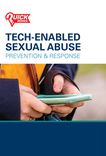
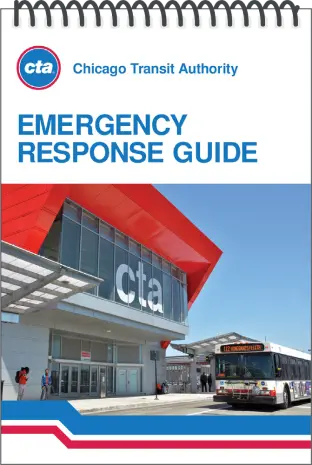
Service members and federal employees need clear, actionable information about sexual assault prevention, bystander intervention, and reporting options. QuickSeries pocket guides provide portable references covering essential SAPR topics including recognizing concerning behaviors, intervention strategies, and knowing where to seek help.
The compact, durable format makes pocket guides ideal for military environments. Service members can carry them during field exercises, deployment, or daily operations. The laminated construction withstands harsh conditions, ensuring information remains accessible even in austere environments.
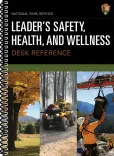
For federal agencies, pocket guides serve as desk references employees can consult privately without drawing attention. This discretion is particularly important for sensitive topics where individuals may hesitate to ask questions publicly or access information on monitored government computer systems.
Trauma-Informed Response Training
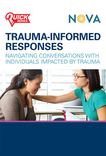
Sexual Assault Response Coordinators and SAPR Victim Advocates require specialized knowledge about trauma-informed approaches to supporting survivors. QuickSeries offers materials specifically designed for victim advocate training, including guides on trauma-informed responses and survivor-centered advocacy.
These resources complement formal SARC and VA training programs by providing quick-reference materials that advocates can consult during actual response situations. When supporting a survivor in crisis, having immediate access to best practices for trauma-informed communication can significantly impact the quality of care provided.
Training materials should also reach commanders, first-line supervisors, and all personnel who may receive reports of sexual assault. Everyone in the chain of command needs basic understanding of trauma responses, reporting procedures, and how to support survivors while preserving evidence and ensuring appropriate investigative processes.
Prevention Through Social Fitness
Recent SAAPM themes have emphasized social fitness—the ability to engage in healthy personal and professional relationships. Social fitness serves as a protective factor against sexual assault by enhancing emotional health, improving communication skills, and increasing feelings of connectedness within units and organizations.
Educational materials addressing social fitness help service members and employees develop relationship skills that reduce risk factors for unwanted behaviors. Resources covering healthy communication, recognizing concerning behaviors in peers, and fostering positive unit cultures contribute to comprehensive prevention strategies.
Prevention education must go beyond defining prohibited behaviors to actively teaching the characteristics of respectful relationships and professional environments. When personnel understand what right looks like, they're better equipped to identify and address situations that fall short of these standards.
Resources for Military Service Branches
Each military service branch has unique culture, operational tempo, and organizational structure that influences SAAPM implementation. While core prevention and response principles remain consistent, effective resources address service-specific contexts:
Army SAPR Programs
Army installations worldwide observe SAAPM with comprehensive programming coordinated through garrison Sexual Assault Response Coordinators. Resources must support diverse Army communities including active duty soldiers, Army National Guard members, Army Reserve personnel, Department of Army civilians, and family members.
QuickSeries has extensive experience developing materials for Army audiences, including customized pocket guides incorporating Army-specific resources, reporting procedures, and terminology. Materials can include installation-specific contact information for SARCs, victim advocates, and local support services.
Navy and Marine Corps Resources
Naval installations and Marine Corps bases require resources suitable for both shore-based and shipboard environments. Materials must withstand maritime conditions while providing information relevant to Navy and Marine Corps personnel, including specific reporting procedures and available services.
For Marines, SAAPM aligns with leadership emphasis on unit cohesion, discipline, and honor. Educational materials should connect sexual assault prevention to core Marine Corps values, reinforcing that eliminating sexual violence is fundamental to maintaining unit effectiveness and upholding Marine Corps standards.
Air Force and Space Force Prevention Programs
Air Force and Space Force SAPR programs serve personnel across diverse installation types, from major bases to small detachments and Space Force units. Resources must be suitable for various work environments including flight operations, maintenance facilities, administrative offices, and cyber operations centers.
Digital distribution through mobile apps provides particular advantages for geographically dispersed Space Force units, ensuring all Guardians have access to current SAPR information regardless of duty location.
Coast Guard Programs
Coast Guard personnel serve in unique operational environments including small boat stations, cutters, and shore facilities. SAPR resources must address the specific dynamics of small, close-knit units while providing comprehensive information about prevention, reporting, and support services available through Coast Guard channels and Department of Homeland Security.
Federal Agency SAPR Implementation
While SAAPM originated in the Department of Defense, many federal agencies observe the month to address sexual assault prevention within their civilian workforces. Federal law enforcement, homeland security, intelligence community, and other agencies benefit from adapting military SAPR best practices to civilian organizational contexts.
Law Enforcement Agencies
Federal law enforcement agencies including FBI, DEA, ATF, and ICE have unique considerations given their personnel's law enforcement training and experience. SAAPM education for law enforcement should acknowledge this expertise while emphasizing that being trained in criminal investigation doesn't exempt anyone from needing prevention education or support services if victimized.
Resources for law enforcement audiences should address specific concerns including reporting procedures that differ from criminal investigations, maintaining confidentiality when many personnel have security clearances and access to sensitive information, and supporting survivors while respecting the separate jurisdictional issues that may arise.
Homeland Security and Emergency Management
Department of Homeland Security components and emergency management agencies serve in high-stress operational environments that may increase risk factors for sexual assault. SAAPM resources should address stress management, healthy coping mechanisms, and maintaining professional boundaries during emergency responses when personnel work long hours in challenging conditions.
Other Federal Agencies
Civilian federal agencies across government can adapt SAAPM observance to their organizational cultures. Human resources offices, equal employment opportunity specialists, and employee assistance programs can coordinate SAAPM activities that raise awareness, provide education, and ensure employees know how to access support if needed.
Digital Solutions for Modern SAPR Programs
While printed materials remain valuable, comprehensive SAAPM campaigns increasingly incorporate digital components that reach tech-savvy service members and federal employees:
The QuickSeries QuickConnect app platform enables organizations to create dedicated SAPR content workspaces accessible via smartphone or tablet. Digital delivery offers several advantages for sensitive topics like sexual assault prevention:
Privacy and Discretion
Individuals can access information privately on personal devices without needing to obtain physical materials that might raise questions from peers or supervisors. For someone wanting to learn about reporting options or support services without revealing they may have been victimized, mobile app access provides anonymous information gathering.
Real-Time Updates
Digital platforms enable instant updates to resources, contact information, or reporting procedures. When organizational changes affect SAPR services—such as new SARC assignment, updated reporting procedures, or additional support resources—information can be pushed to all users immediately.
Interactive Tools
Mobile apps can incorporate interactive elements like scenario-based training, bystander intervention decision trees, or assessment tools helping individuals evaluate whether behaviors they've witnessed or experienced may constitute sexual assault or harassment.
Multilingual Support
Digital platforms can offer content in multiple languages, ensuring non-native English speakers have full access to SAPR information. This is particularly important for foreign national employees, international partners, and service members whose primary language isn't English.
Creating Comprehensive SAAPM Campaigns
Organizations should approach April with strategic, sustained programming rather than one-time events:
Pre-SAAPM Preparation (February-March)
Begin assembling resources, training personnel who will deliver SAAPM programming, and developing campaign plans. Order printed materials allowing adequate time for delivery, customization if needed, and distribution to subordinate units or field offices. Establish SAAPM working groups bringing together SARCs, command staff, public affairs, equal opportunity advisors, chaplains, and other stakeholders.
Develop communication strategies incorporating multiple channels: official email announcements, command information, social media, posters and displays, unit briefings, and digital platforms. Ensure messaging reaches all personnel including those deployed, on temporary duty, working non-standard schedules, or teleworking.
Week 1: Launch and Awareness
Kick off SAAPM with high-visibility events establishing campaign themes and priorities. Leadership statements from commanders, agency heads, or senior officials demonstrate organizational commitment. Distribute pocket guides, post educational materials in common areas, and launch digital campaign elements.
Consider symbolic activities like Teal Tuesday observances when personnel wear teal—the color representing sexual assault awareness—to show solidarity with survivors and commitment to prevention.
Week 2: Education and Training
Conduct training sessions on bystander intervention, recognizing concerning behaviors, and supporting peers who disclose assault. Update personnel on reporting options, ensure everyone knows how to contact SARCs and victim advocates, and clarify command responsibilities when reports are received.
Provide specialized training for supervisors and leaders on appropriate responses to reports, avoiding actions that could be perceived as retaliation, and maintaining confidentiality while fulfilling reporting obligations.
Week 3: Engagement and Prevention
Host events emphasizing prevention through community building, healthy relationships, and social fitness. These might include unit cohesion activities, fitness challenges, or workshops on stress management and communication skills.
Organize forums where survivors (with appropriate support and preparation) can share experiences, or bring in expert speakers discussing trauma, recovery, and resilience. Ensure mental health resources and victim advocates are prominently available at any event where survivor stories are shared.
Week 4: Commitment Beyond April
Emphasize that sexual assault prevention is a year-round commitment extending far beyond April. Highlight ongoing resources available every day: 24/7 SARC and victim advocate access, confidential reporting options, military and civilian support services, and leadership commitment to maintaining safe environments.
Distribute materials personnel can reference after SAAPM ends, reinforce reporting procedures one more time, and encourage anyone with questions or concerns to reach out to appropriate resources.
Measuring SAAPM Effectiveness
Organizations should assess campaign impact through multiple measures:
- Material distribution numbers and engagement with digital resources
- Training attendance and participant feedback
- Post-campaign surveys measuring knowledge gains and attitude changes
- Reporting trends (with understanding that increased reporting may indicate improved trust in the system rather than increased incidents)
- Command climate surveys assessing perceptions of leadership commitment to prevention
Use evaluation data to refine future SAAPM campaigns and identify areas needing sustained attention throughout the year.
Accessing Quality SAPR Resources
Military organizations and federal agencies preparing for SAAPM 2026 should partner with experienced providers who understand both the sensitive nature of sexual assault prevention and the unique requirements of government organizations.
QuickSeries has worked extensively with Department of Defense components and federal agencies to develop and distribute SAPR educational materials. Our resources are evidence-based, trauma-informed, and specifically designed for military and federal audiences.
Federal procurement is streamlined through our GSA Schedule, ensuring agencies can access quality materials while meeting purchasing requirements. Custom print solutions allow organizations to incorporate service-specific information, installation resources, or agency branding while maintaining core educational content.
The QuickConnect app provides turnkey digital distribution with security features appropriate for government use. Organizations can create customized SAPR content workspaces, control access, and track engagement while maintaining user privacy.
Conclusion
Sexual Assault Awareness and Prevention Month 2026 provides crucial opportunities to advance prevention efforts, support survivors, and reinforce organizational commitment to eliminating sexual violence. Success requires more than awareness—it demands comprehensive resources, sustained leadership engagement, and ongoing commitment extending well beyond April.
By beginning preparation now, military organizations and federal agencies can implement SAAPM campaigns that meaningfully impact service members, employees, and their families. The resources you provide, training you conduct, and culture you foster contribute directly to creating environments where everyone can serve without fear of sexual assault.
Visit QuickSeries.com to explore our comprehensive range of SAPR resources including pocket guides, posters, trauma-informed response materials, and digital distribution solutions. Contact our team to discuss custom solutions incorporating your organization's specific requirements, or request samples to evaluate materials before your SAAPM campaign launches. Together, we can contribute to the Department of Defense's mission of eliminating sexual assault from military ranks and creating safer federal workplaces across government.