










Summary
- Understanding the Scope of Teen Dating Violence
- Why Schools and Youth Organizations Must Lead Prevention Efforts
- Essential Components of Effective Teen Dating Violence Education
- Creating Comprehensive Prevention Programs
- Resources for Different Educational Settings
- Implementing Digital Solutions for Modern Teens
- Addressing Special Considerations
- Supporting Educators and Youth Program Staff
- Measuring Impact and Sustaining Momentum
- Taking Action This February
- Conclusion
February is Teen Dating Violence Awareness Month, a critical time for schools, youth organizations, and community groups to address one of the most overlooked threats facing young people today. As educators and youth advocates work to create safer environments, having the right educational resources can make the difference between awareness and meaningful prevention.
Understanding the Scope of Teen Dating Violence
Teen dating violence affects a significant portion of adolescents across the United States, transcending geographic, socioeconomic, and demographic boundaries. Research consistently shows that unhealthy relationship patterns established during adolescence often continue into adulthood, making early intervention crucial for breaking cycles of abuse.
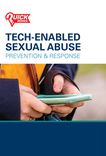
Young people experiencing dating violence may face physical abuse, emotional manipulation, sexual coercion, or digital harassment. The proliferation of social media and constant connectivity has added new dimensions to teen dating abuse, with controlling behaviors extending into digital spaces through phone monitoring, social media stalking, and online harassment.
Many teens don't recognize warning signs of unhealthy relationships, often mistaking controlling behaviors for care or jealousy for love. This lack of awareness, combined with developmental factors that affect judgment and risk assessment, makes comprehensive education essential for protecting young people during this vulnerable period.
Why Schools and Youth Organizations Must Lead Prevention Efforts
Educational institutions and youth-serving organizations occupy a unique position in teen dating violence prevention. Schools interact with young people daily, providing natural opportunities for education, observation, and intervention. Youth organizations, including military family support programs, faith-based groups, and community centers, reach teens in different contexts, creating multiple touchpoints for prevention messaging.
For federal youth programs serving military families, teen dating violence education takes on additional importance. Military-connected youth face unique stressors related to frequent relocations, parental deployment, and transitions between schools and communities. These factors can increase vulnerability to unhealthy relationships while simultaneously making it harder to access consistent support systems.
Educational settings also provide opportunities to reach bystanders—friends and peers who may notice warning signs before adults do. Empowering young people to recognize unhealthy relationship dynamics among their peers and providing clear pathways for reporting concerns creates a community-wide prevention network.
Essential Components of Effective Teen Dating Violence Education
Successful prevention programs share several key characteristics that schools and youth organizations should incorporate:
Age-Appropriate, Accessible Information
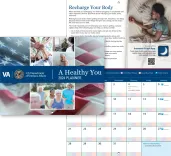
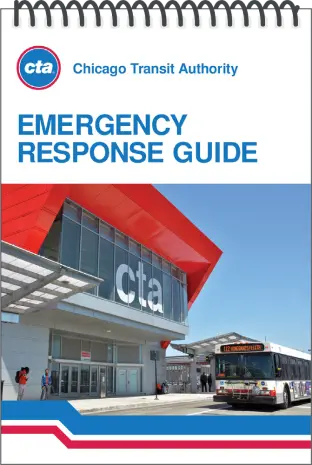
Educational materials must speak to teens in language they understand, avoiding condescension while addressing serious topics with appropriate gravity. QuickSeries pocket guides on healthy relationships and abuse prevention provide portable, discreet resources that teens can reference privately without drawing unwanted attention. The compact format makes these guides easy to distribute through school counseling offices, health classes, or youth program meetings.
Unlike lengthy pamphlets or websites requiring sustained attention, pocket guides deliver essential information in a scannable, easy-to-digest format that respects teens' limited attention spans and busy schedules. The durable, water-resistant construction ensures materials remain useful even after being carried in backpacks, pockets, or lockers.
Comprehensive Coverage of Relationship Health
Effective education doesn't focus solely on abuse—it teaches what healthy relationships look like. Young people need to understand the characteristics of respectful partnerships: good communication, mutual trust, individual autonomy, and conflict resolution without violence or manipulation.
Materials should cover the full spectrum of dating violence, including physical, emotional, sexual, and digital abuse. Teens must learn to recognize controlling behaviors, isolation tactics, and gaslighting—manipulative techniques that can be harder to identify than physical violence but equally damaging to wellbeing.
Trauma-Informed Approaches
Many teens accessing dating violence education may be current or past victims of abuse, whether in romantic relationships, family settings, or other contexts. Educational materials and programming must be delivered through a trauma-informed lens that avoids re-traumatization while providing pathways to support.
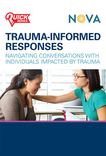
QuickSeries offers specialized materials on trauma-informed responses, valuable resources for counselors, teachers, and youth program staff who may interact with teens disclosing abuse. Understanding how trauma affects behavior, learning, and relationships helps educators respond appropriately and connect young people with needed services.
Creating Comprehensive Prevention Programs
Schools and youth organizations should approach Teen Dating Violence Awareness Month with a strategic, multi-faceted plan:
Week 1: Building Awareness
Launch your campaign by distributing educational materials through multiple channels. Place pocket guides in counseling offices, health centers, and common areas where teens congregate. Use digital platforms—school apps, social media channels, or text messaging systems—to share key statistics and awareness messages. The QuickSeries QuickConnect app can serve as a centralized hub for dating violence prevention resources, allowing students to access information privately on their personal devices.
Host assembly programs or classroom presentations introducing the topic and normalizing conversations about relationship health. Invite speakers with expertise in youth violence prevention, or if appropriate, survivors who can share their experiences in age-appropriate ways.
Week 2: Education and Skill Building
Conduct workshop sessions teaching concrete skills: recognizing red flags, setting boundaries, communicating needs in relationships, and responding to peer disclosures of abuse. Role-playing scenarios help teens practice these skills in low-stakes environments before they encounter real situations.
Provide resources specifically for parents and guardians, helping them discuss dating violence with their teens and recognize warning signs. Many parents feel uncomfortable or unprepared for these conversations; clear, practical guidance makes them more likely to engage meaningfully with their children about relationship safety.
Week 3: Peer Empowerment
Train student leaders, peer counselors, or youth group members to become relationship violence prevention advocates within their social circles. Peers often notice concerning behaviors before adults and may be the first point of contact when someone needs help. Providing young people with knowledge about how to support friends, when to involve adults, and where to direct peers for help creates a broader safety net.
Organize student-led campaigns—poster contests, social media challenges, or awareness pledges—that engage the broader school or organization community. When teens lead prevention efforts, they often reach their peers more effectively than adult-driven initiatives.
Week 4: Connecting to Resources
Ensure all students and youth program participants know how to access help—both within their school or organization and in the broader community. Distribute wallet cards with local crisis hotline numbers, counseling services, and online resources. Make sure these materials include text-based help options, as many teens prefer text communication over phone calls.
Create visual displays showing the support network available: school counselors, teachers, youth program staff, community organizations, and national resources. When young people can visualize their options, they're more likely to seek help when needed.
Resources for Different Educational Settings
K-12 Schools
Public and private schools have unique opportunities to integrate dating violence prevention into existing curricula. Health classes provide natural homes for relationship education, but the topic can also connect to social studies discussions about rights and respect, English classes analyzing relationships in literature, or advisory periods focused on social-emotional learning.
School counselors need ready-access resources they can provide during individual sessions with students raising relationship concerns. QuickSeries pocket guides serve as excellent leave-behind materials, giving students tangible resources to reference after counseling sessions end.
Higher Education Institutions
Colleges and universities face different challenges in addressing dating violence, with students living independently and navigating relationships with less direct supervision than high school students. Campus health centers, residence life programs, and student organizations can all play roles in prevention efforts.
Title IX coordinators and student conduct offices benefit from having clear educational materials explaining relationship violence, consent, and reporting options. These resources help students understand their rights and the support available through institutional channels.
Youth Organizations and Community Programs
Military youth programs, Boys & Girls Clubs, faith-based youth groups, and other community organizations reach teens in informal settings where relationship discussions may emerge more organically than in classroom environments. Youth program leaders need training and resources to respond appropriately when teens disclose concerns or ask questions about relationship health.
For military family support programs, QuickSeries has extensive experience developing materials for Department of Defense youth services. Resources can be customized to address the specific experiences of military-connected teens while providing universally applicable relationship safety information.
Residential Treatment and Juvenile Justice Settings
Young people in residential facilities often have elevated rates of trauma exposure and may especially benefit from relationship violence education. Staff in these settings need trauma-informed materials that acknowledge past experiences while teaching skills for future healthy relationships.
Implementing Digital Solutions for Modern Teens
Today's teens are digital natives who expect information at their fingertips. While printed materials remain valuable, comprehensive prevention programs should include digital components:
The QuickConnect app platform allows schools and youth organizations to create customized content workspaces specifically for relationship health education. Teens can access videos, interactive tools, and information resources privately on their smartphones—a format that feels natural and accessible to young people who spend significant time on mobile devices.
Digital platforms also enable organizations to push timely content: reminders about healthy relationship characteristics before major social events, information about consent before prom season, or resources about getting help when students may be more isolated during school breaks.
App-based distribution also allows for more frequent content updates than printed materials, ensuring information about local resources, upcoming events, or new prevention strategies reaches students quickly.
Addressing Special Considerations
LGBTQ+ Youth
Dating violence education must be inclusive of all relationship structures and gender identities. LGBTQ+ teens may face additional barriers to seeking help, including fears about disclosing sexual orientation or gender identity, concerns that they won't be believed, or lack of LGBTQ+-specific resources. Educational materials should use inclusive language and imagery that acknowledges diverse relationship configurations.
Teens with Disabilities
Young people with disabilities experience dating violence at higher rates than their non-disabled peers and may face additional challenges in recognizing abuse or accessing help. Prevention materials should be available in accessible formats and address specific tactics abusers may use to target people with disabilities, such as threatening to withhold necessary assistance or exploiting caregiving relationships.
Multilingual Communities
Schools and organizations serving linguistically diverse populations need materials available in multiple languages. QuickSeries custom print solutions can produce educational resources in the languages your community speaks, ensuring critical safety information reaches all families regardless of English proficiency.
Supporting Educators and Youth Program Staff
Teachers, counselors, coaches, and youth workers need training and support to effectively address teen dating violence. Many educators want to help but feel unprepared to handle disclosures or concerned about saying the wrong thing.
Professional development should cover how to respond when students disclose abuse, mandatory reporting requirements, and available resources for both immediate crisis response and ongoing support. Having clear, concise reference materials helps staff feel more confident in these challenging situations.
QuickSeries materials serve dual purposes: educating teens while providing educators with talking points and information to reference during difficult conversations. When staff have reliable, vetted resources at hand, they're better equipped to provide accurate guidance and appropriate support.
Measuring Impact and Sustaining Momentum
Teen Dating Violence Awareness Month should launch sustained prevention efforts rather than serving as a one-time campaign. Track program effectiveness through:
- Pre and post-education surveys measuring knowledge gains and attitude shifts
- Resource distribution numbers and requests for additional materials
- Help-seeking behaviors (counseling appointments, crisis line calls)
- Incident reporting trends
- Student and staff feedback about program effectiveness
Use these metrics to refine your approach, allocate resources strategically, and demonstrate program value to school boards, organization leadership, and funding sources.
Taking Action This February
Schools and youth organizations ready to implement comprehensive Teen Dating Violence Awareness Month programming should start planning now. Partner with experts who understand both adolescent development and the practical constraints of educational settings.
QuickSeries has worked with educational institutions nationwide to develop and distribute relationship violence prevention materials. Our pocket guides, posters, and digital resources are specifically designed for youth audiences, presenting serious information in formats that teens actually use. Federal agencies and schools can access our materials through GSA Schedule purchasing, streamlining procurement while ensuring resources meet quality and content standards.
The QuickConnect app provides schools and youth organizations with a turnkey platform for delivering prevention education digitally, with customization options that allow you to incorporate your organization's branding, local resources, and specific program information.
Conclusion
Teen Dating Violence Awareness Month offers a crucial opportunity to equip young people with knowledge and skills that could literally save lives. By providing accessible, comprehensive educational resources through both print and digital channels, schools and youth organizations can create environments where healthy relationships are the norm and young people know how to recognize and respond to abuse.
The prevention work you do this February will impact not just immediate safety but long-term relationship patterns that young people carry into adulthood. Invest in quality educational materials, create comprehensive programming, and demonstrate to teens that their safety and wellbeing matter to your school or organization.
Visit QuickSeries.com to explore our full range of youth violence prevention resources, request samples, or discuss custom solutions tailored to your educational community's needs. Together, we can create safer, healthier environments for all young people.