
















Summary
- 1. Check In Regularly — Especially During Storms
- 2. Offer Transportation Assistance
- 3. Help Prepare Emergency Kits
- 4. Support Safe Home Heating Practices
- 5. Assist With Snow & Ice Removal
- 6. Prevent Social Isolation
- 7. Help Manage Medications & Prescriptions
- 8. Ensure Travel Plans Are Safe and Accessible
- 9. Monitor Indoor Air Quality and Temperature
- 10. Offer Grocery or Meal Assistance
- 11. Encourage Mobility & Light Activity
- 12. Share Winter Safety Education Materials
- Conclusion
Winter can be especially challenging for older adults. Cold temperatures, icy sidewalks, early sunsets, travel limitations, and seasonal illnesses increase health and safety risks. Communities, neighbors, families, and local organizations can make a meaningful difference with simple acts of care. Here are 12 ways to support older adults all winter long.
1. Check In Regularly — Especially During Storms
A quick phone call or doorstep visit provides both safety assurance and emotional comfort. Regular check-ins help older adults feel seen and supported.
2. Offer Transportation Assistance
Snow, ice, and early darkness make winter travel difficult. Offer rides to medical appointments, grocery stores, community centers, or family events.
3. Help Prepare Emergency Kits
Emergency supplies (flashlights, blankets, medications, water, non-perishable food) are critical.
The Family Preparedness Pocket Guide helps families create simple, accessible plans that include older adults.
4. Support Safe Home Heating Practices
Help ensure heating systems are working properly. Check space heaters, replace furnace filters, and remind older adults to avoid using stoves for heat.
5. Assist With Snow & Ice Removal
Shoveling is one of the riskiest winter tasks for older adults. Offer to clear sidewalks, driveways, and entryways to prevent slips and falls.
6. Prevent Social Isolation
Invite older neighbors to community events, holiday gatherings, or virtual meetups. Loneliness increases during winter — connection is vital.
Helpful resource:
The Mental Health and Wellness Guide offers strategies to support emotional well-being for all ages.
7. Help Manage Medications & Prescriptions
Offer reminders, check expiration dates, and assist with scheduling refills ahead of storms or holiday closures.
8. Ensure Travel Plans Are Safe and Accessible
If older adults need to travel, help them plan safe routes, secure transportation, and prepare for winter conditions. The Your Map to Travel Safety Guide provides practical travel tips for all ages.
9. Monitor Indoor Air Quality and Temperature
Older adults may not always notice when a home becomes too cold or too warm. Help verify thermostats, heaters, and smoke/CO alarms are functioning.
10. Offer Grocery or Meal Assistance
Whether through weekly meal prep, grocery runs, or holiday leftovers, food support is one of the most meaningful ways to help.
11. Encourage Mobility & Light Activity
Short indoor walks, stretching, or seated exercises help maintain mobility and reduce stiffness during cold months.
12. Share Winter Safety Education Materials
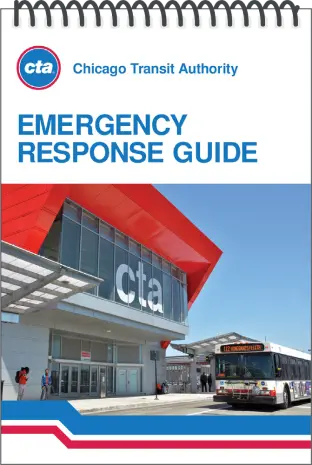
Provide older adults and caregivers with clear, easy-to-read safety guides that cover winter hazards, emergency steps, and health tips.
The Disaster Preparedness Pocket Guide is a helpful way to consolidate important information.
Conclusion
Supporting older adults during winter doesn’t require grand gestures — just consistent, caring actions that make their daily lives safer and more connected. By working together as families and communities, we can ensure every older adult feels protected, valued, and included all winter long.